Window will not open
Check that the lock is fully open and that nothing, such as paint or a stuck latch, is holding the sash. Look in the track for dirt or debris and clean it. On a double-hung window, try lifting both sides evenly.
If paint has sealed the sash, carefully score the joint with a thin blade, taking care not to damage the finish.
A window that is still stuck may be swollen, out of square or have failed balances.
When a window sticks, resist the urge to force it. Forcing can bend a sash, crack a frame or break glass. A few minutes of careful cleaning and waxing usually solves the problem without damage.
Window will not stay up
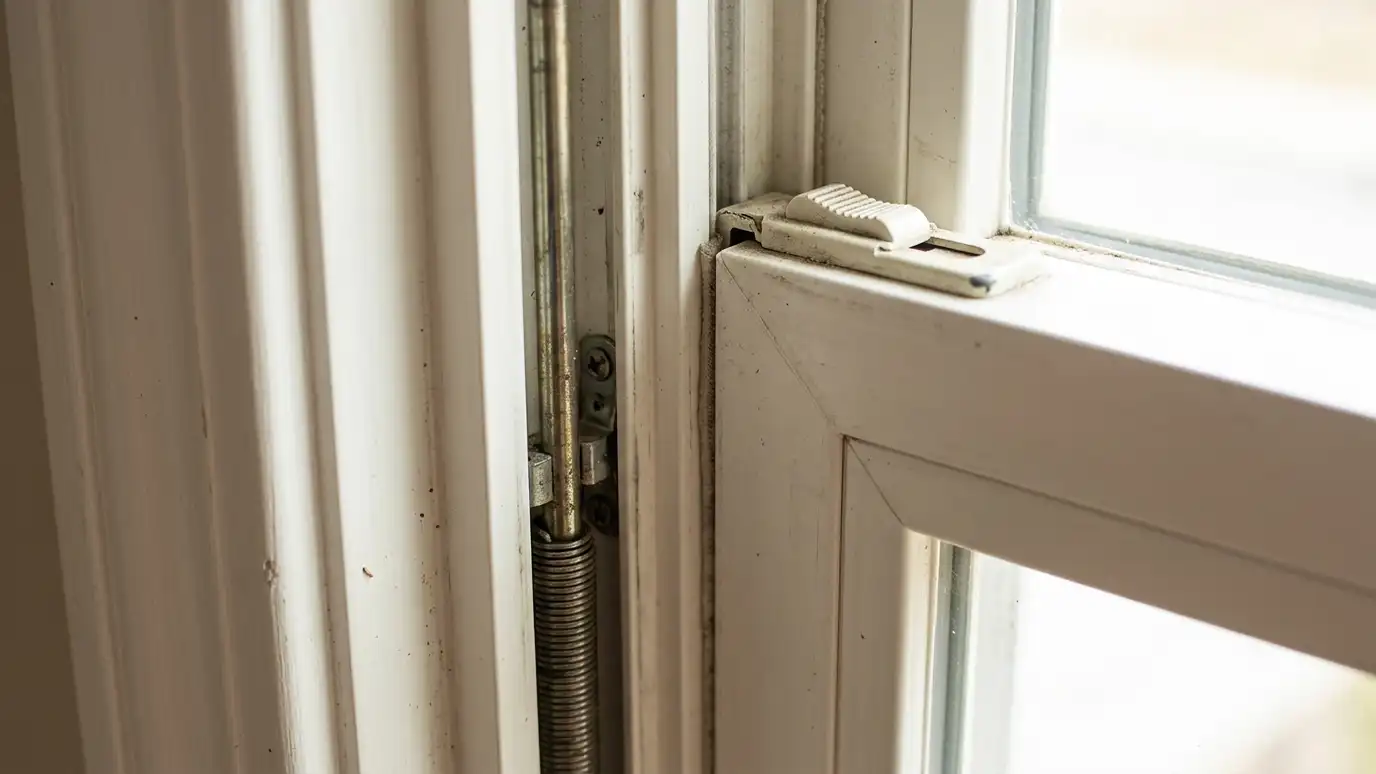
Double-hung windows use balances to hold the sash. If the sash slides down on its own, a balance is likely worn or broken. Some balances can be adjusted, and others must be replaced.
Never prop a window with something unsafe, such as a heavy tool, if there are children around.
We can often replace balances without replacing the window.
Try raising a double-hung sash slowly and notice where it catches. A catch at one side suggests a bad balance or a stuck corner, and a catch at the bottom suggests swelling or paint.
Drafts and rattles
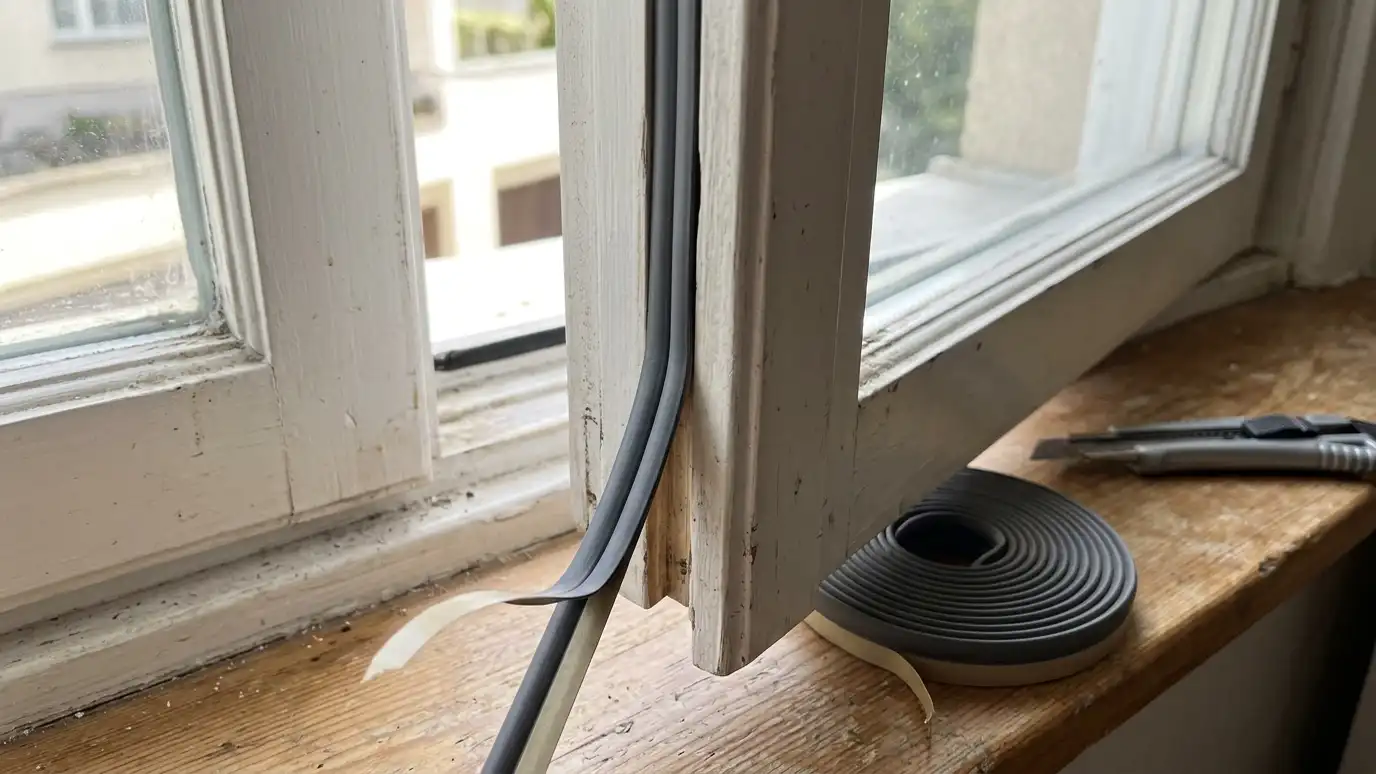
Hold your hand near the edges on a windy day. Gaps at the sash or frame mean worn weatherstripping, a lock that does not pull tight or a frame that has settled. Rattles can come from loose glass or sash.
Try adjusting the lock and replacing the weatherstripping first. Persistent drafts may need caulk, foam or a new window.
We find the cause before we recommend a fix.
Take a photo of the draft path with a strip of tissue taped to the frame. If the tissue moves, there is air leaking. Show us the photo and we can identify the cause faster.
Fog and condensation
Fog between the panes means a failed seal, and the glass unit usually needs replacing. Condensation on the inside surface means the indoor air is humid, and a vent fan or dehumidifier can help. Condensation on the outside surface is weather.
Do not try to drill or vent the glass yourself.
We can replace just the glass unit in many windows.
Keep humidity in mind. Cooking, showers and drying clothes indoors all add moisture. Running exhaust fans and keeping doors between wet rooms and living space closed makes a visible difference.
Cranks and locks
A casement crank that spins freely or feels gritty may have stripped gears. A lock that does not catch may need adjustment or replacement. A sash that does not close flush can stop the lock from working.
Take a clear photo of the part and measurements, and we can often find a match.
Most hardware repairs are quick.
Measure and photograph parts before you call. A clear picture of a crank or lock, with a ruler beside it, helps us find a match and quote the repair faster.
Water and soft wood
Water stains on the sill, bubbling paint or soft wood mean water is getting in. Check the caulk, the sill slope and the weep holes, and look at the wall above for the source.
Probe soft spots lightly with a screwdriver. If it sinks in, the wood has begun to rot.
Call early, since rot can spread into the wall.
If you see stains, do not paint over them. Painting hides the clue and traps moisture. Call, and we will find the source before it gets worse.
Check the simple things first, and call us when a problem keeps returning or involves water or broken parts.