Children and windows
Falls from windows are a serious risk, especially for young children on upper floors. Insect screens are not strong enough to stop a fall. Keep furniture away from windows so children cannot climb up.
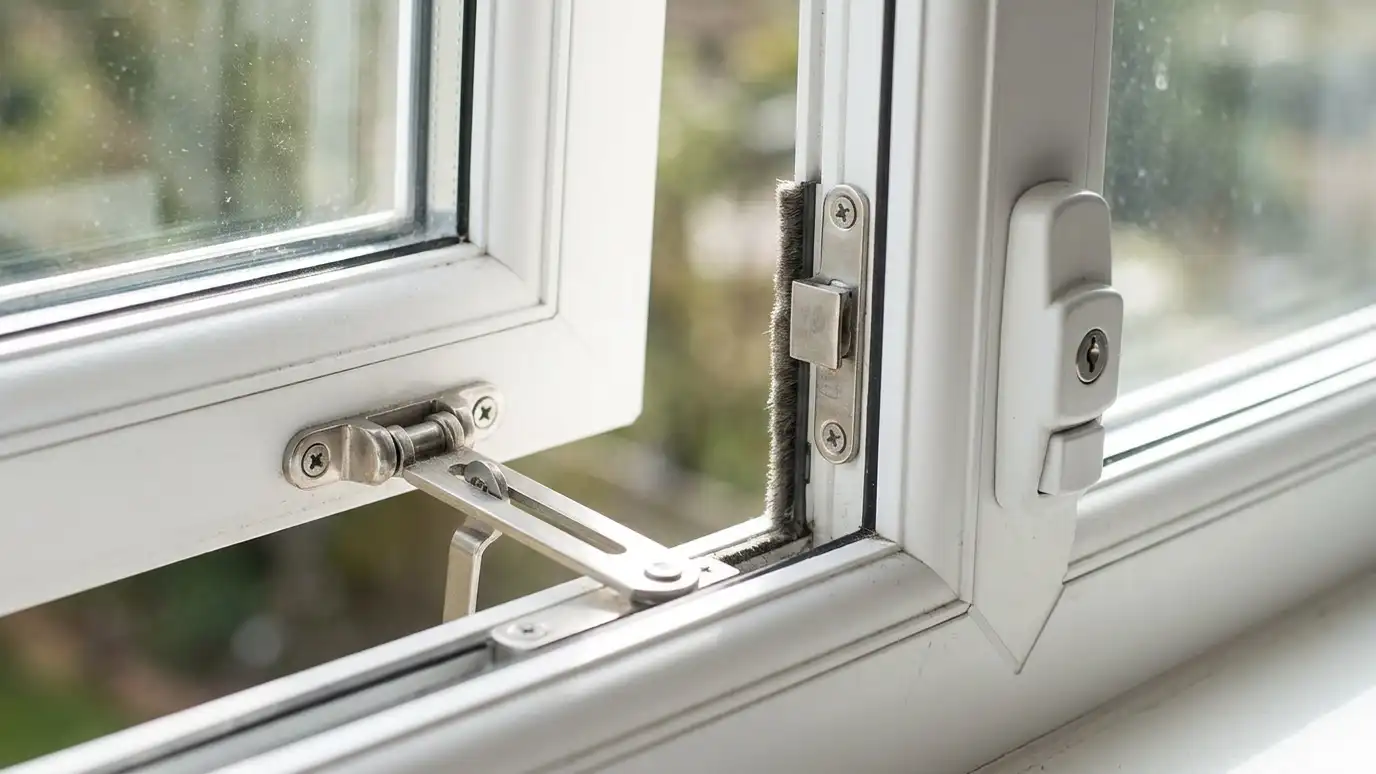
Window stops, which limit how far a sash opens, and guards designed for windows can help. Some guards must release quickly in an emergency.
Talk with us about options that match your windows and your family.
Check every window in the house for a safe opening limit if children live there or visit. A stop that limits the opening to a few inches can be added to most windows and removed for cleaning or escape.
Cords and blinds
Loose cords on blinds and shades are a strangling hazard for small children. Choose cordless options and keep any cords out of reach.
Check the products you already have, since older blinds may not meet current safety expectations.
This is a good moment to change them if you are updating windows.
Cordless shades are the safer choice for all homes with small children. If you keep corded blinds, use cord cleats and keep the cords out of reach, and keep cribs and beds away from windows.
Emergency escape
Bedrooms need at least one window that can serve as an escape route. Make sure the window opens easily, the opening is large enough and nothing blocks it. Practice an escape plan with the family.
Security bars on bedroom windows should open from inside without a key.
If you are changing a bedroom window, ask us to check the clear opening.
Hold a family drill that includes opening bedroom windows and getting out. Children learn quickly when they practice, and adults discover windows that are stiff or blocked.
Broken glass
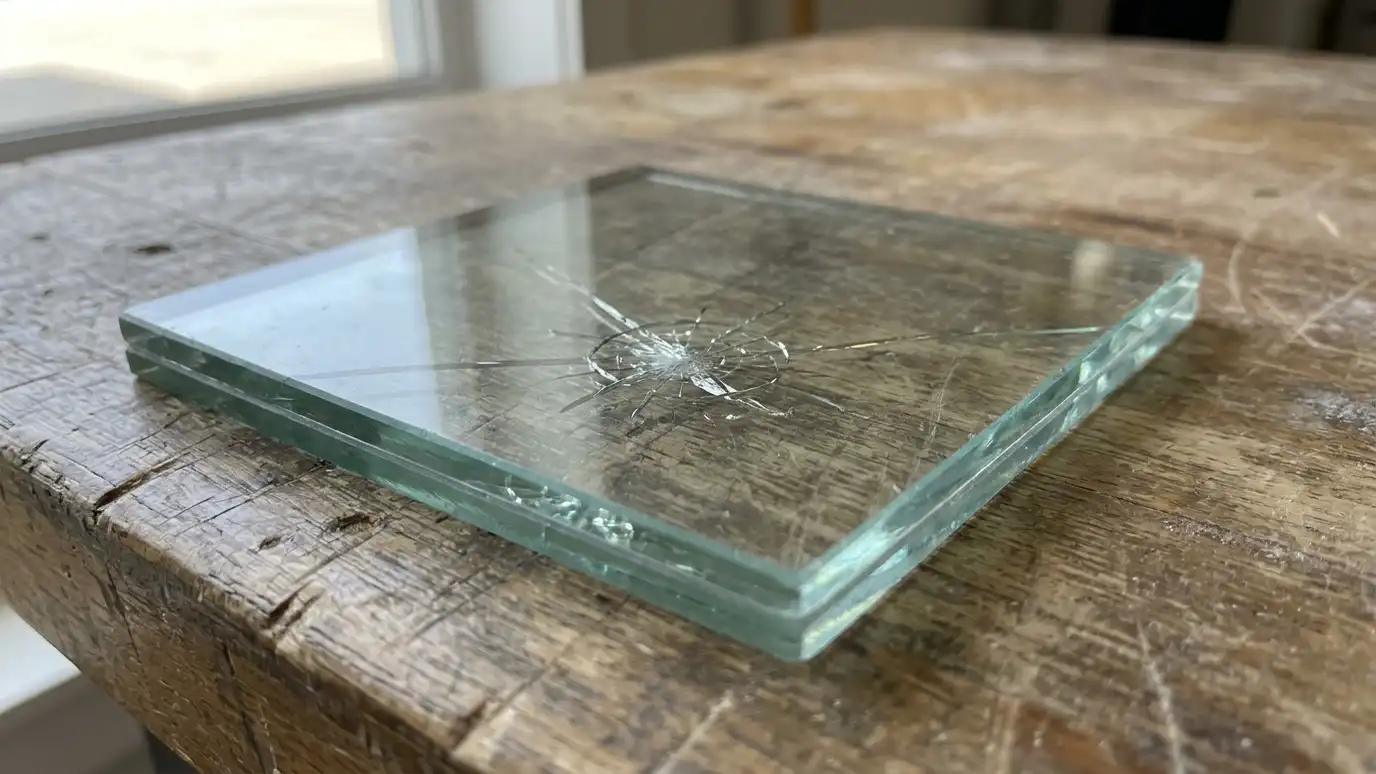
If a window breaks, keep people and pets away, wear shoes and gloves and cover the opening. Do not sweep glass with bare hands. Use a damp towel or tape to pick up small pieces.
Call us for a board-up and a replacement plan.
Laminated or tempered glass can reduce injuries in some locations.
Keep a pair of sturdy shoes, a flashlight and a broom near the area where you store tools for emergencies. If glass breaks at night, you will want protection and light.
Security basics
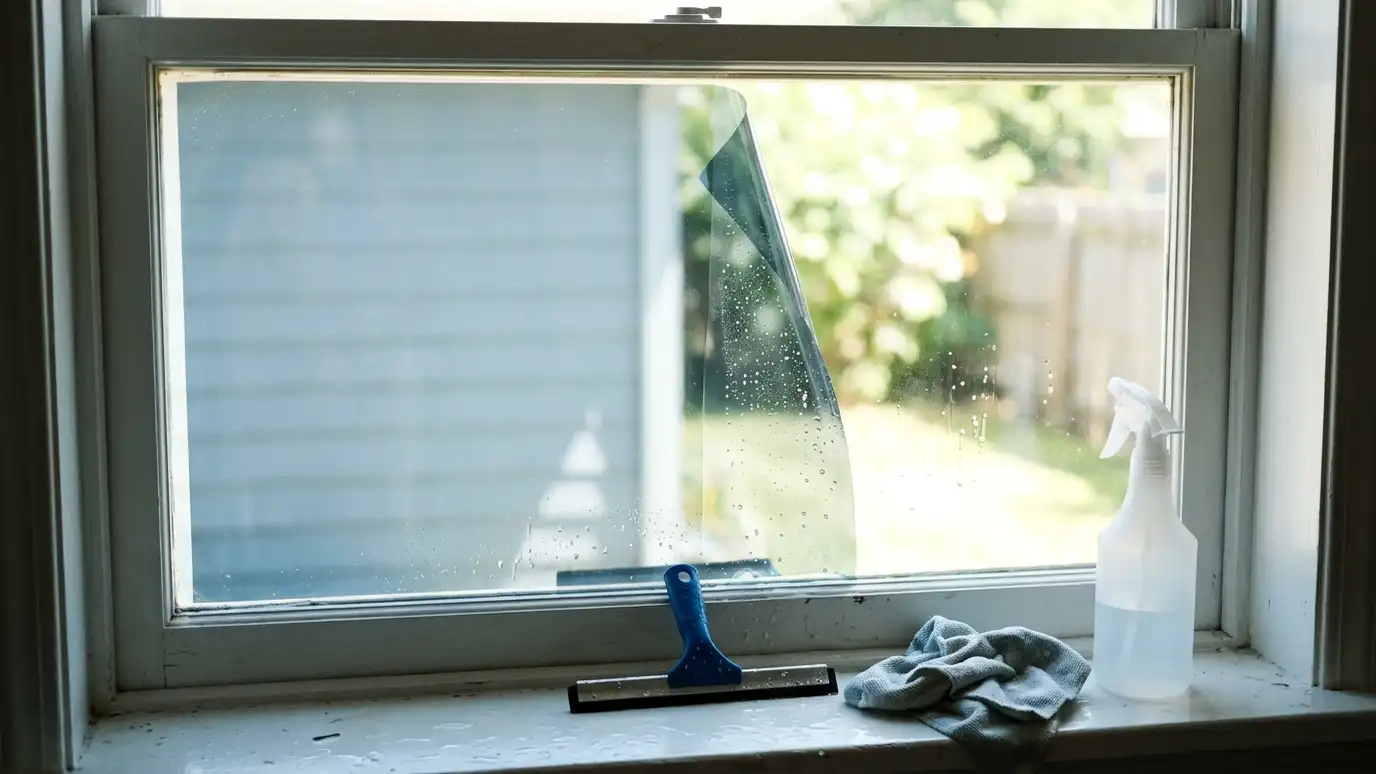
Windows are a common entry point. Working locks, strong hardware and good screens deter some attempts. Laminated glass and security film make breaking in slower and noisier.
Lighting, landscaping and neighbors matter too.
We can check your locks and suggest upgrades without selling anything you do not need.
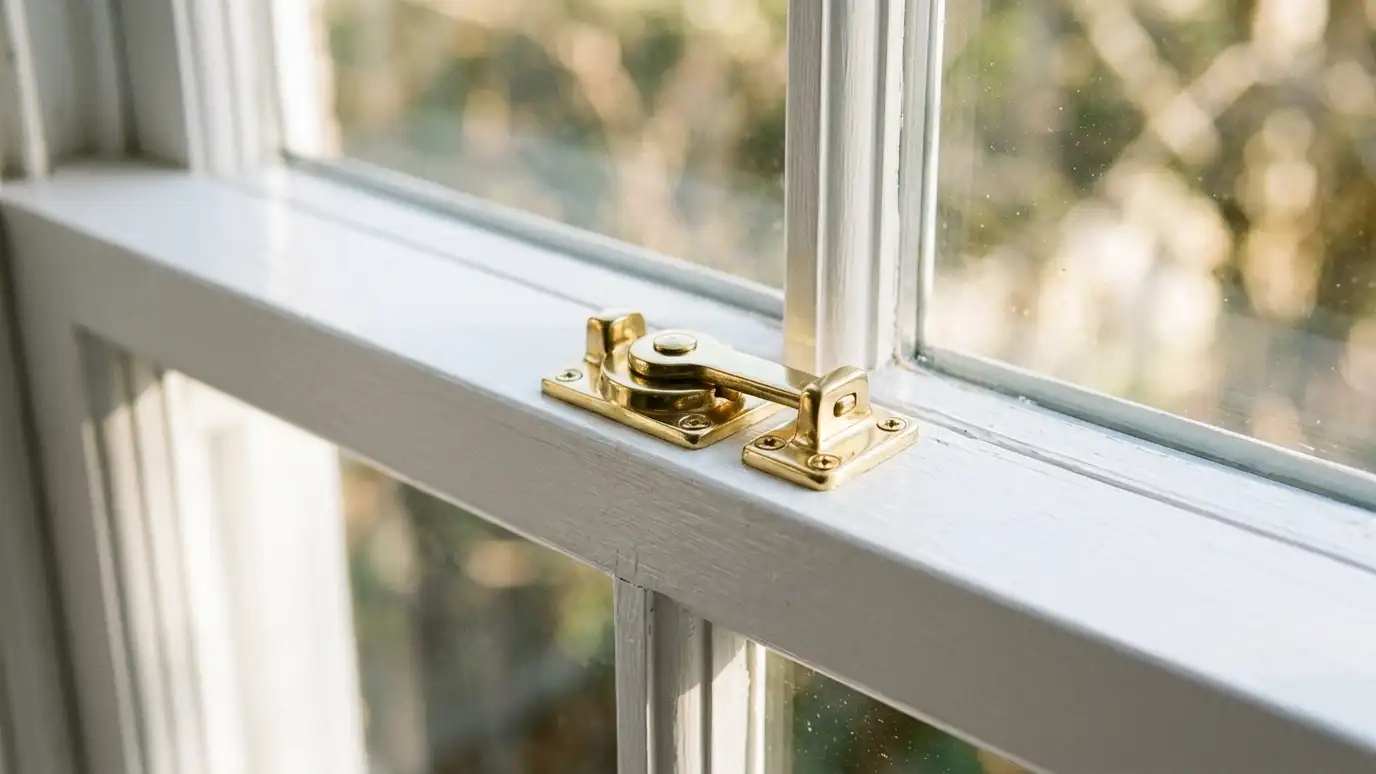
Check the locks on every window, especially ground-floor and basement windows. A lock that does not catch is not helping. Hardware replacement is often quick and low in cost.
Everyday habits
Lock windows when you leave. Keep sash tracks clear so windows close fully. Replace damaged glass quickly, and keep screens in place.
Teach children not to lean on screens.
A short routine goes a long way.
Replace damaged screens and cracked glass quickly. Small damage invites bigger problems, and a clean, well-kept window is both safer and more attractive.
Keep windows locked, furniture away and escape routes clear, and fix broken parts quickly.