Insulated glass with two or three panes, explained plainly so you can choose what each room really needs.
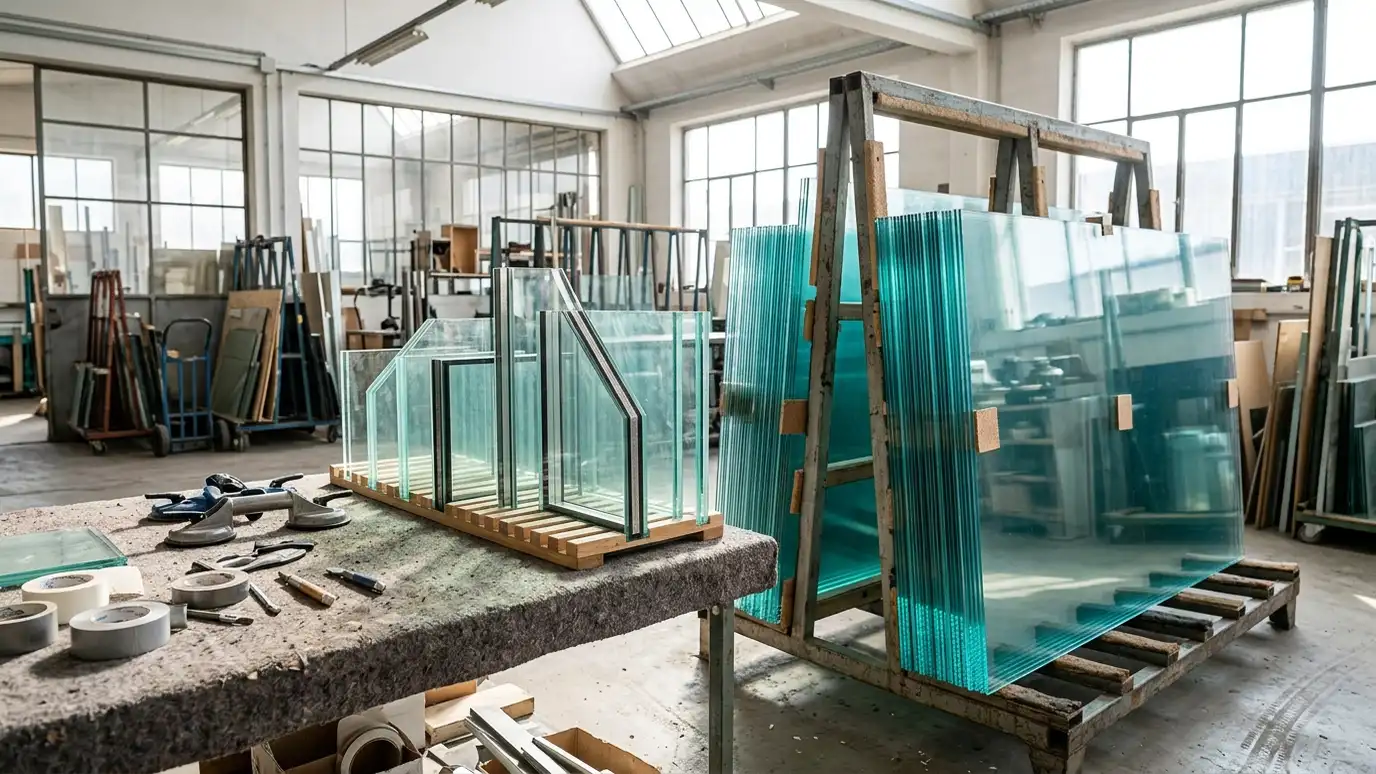
Insulated glass units trap a layer of air or gas between panes of glass. Two panes make a double-pane window and three make a triple-pane window. More panes slow heat flow and cut noise, but they also add weight and cost. For many Middle Tennessee homes, a double-pane low-E window is a good balance, while triple-pane can make sense in noisy rooms, very exposed rooms or homes where comfort is the top priority. Homeowners in Nashville ask us which to choose.
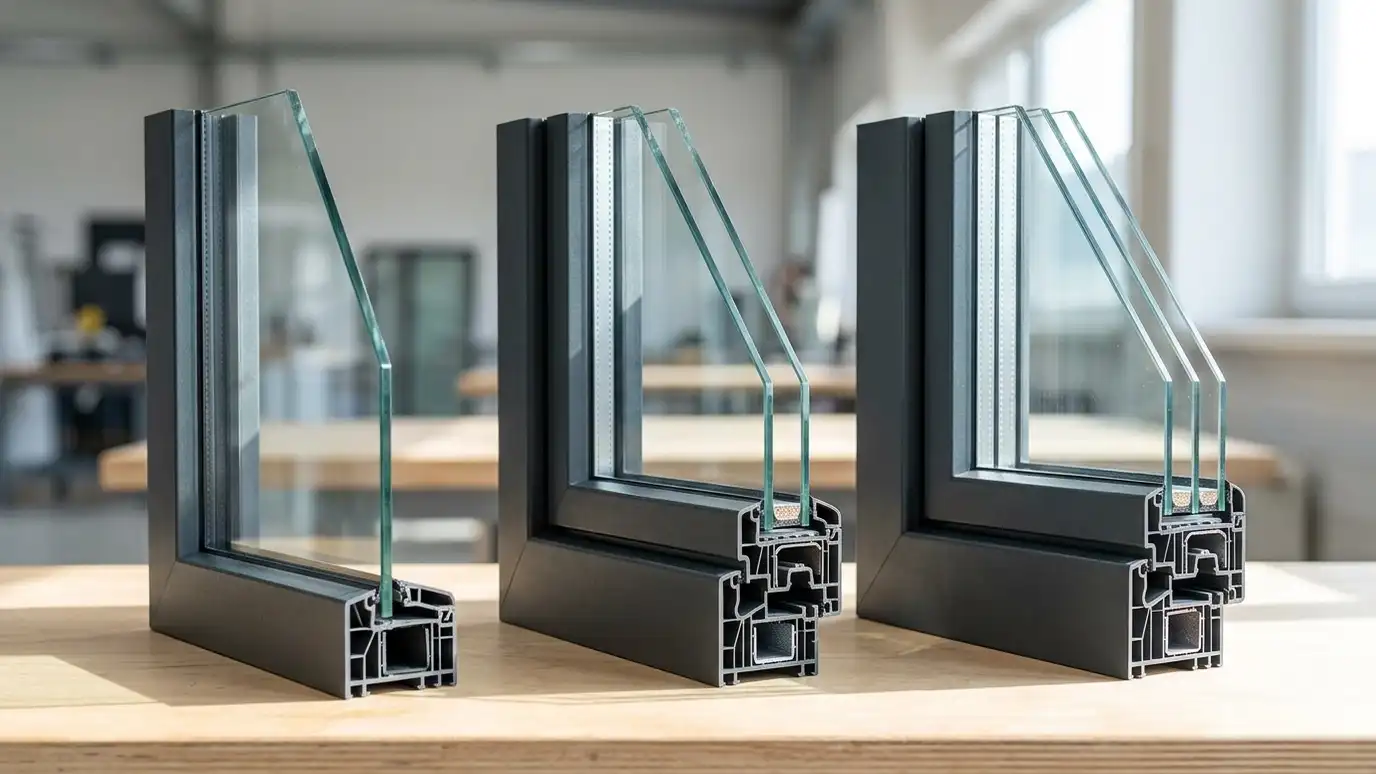
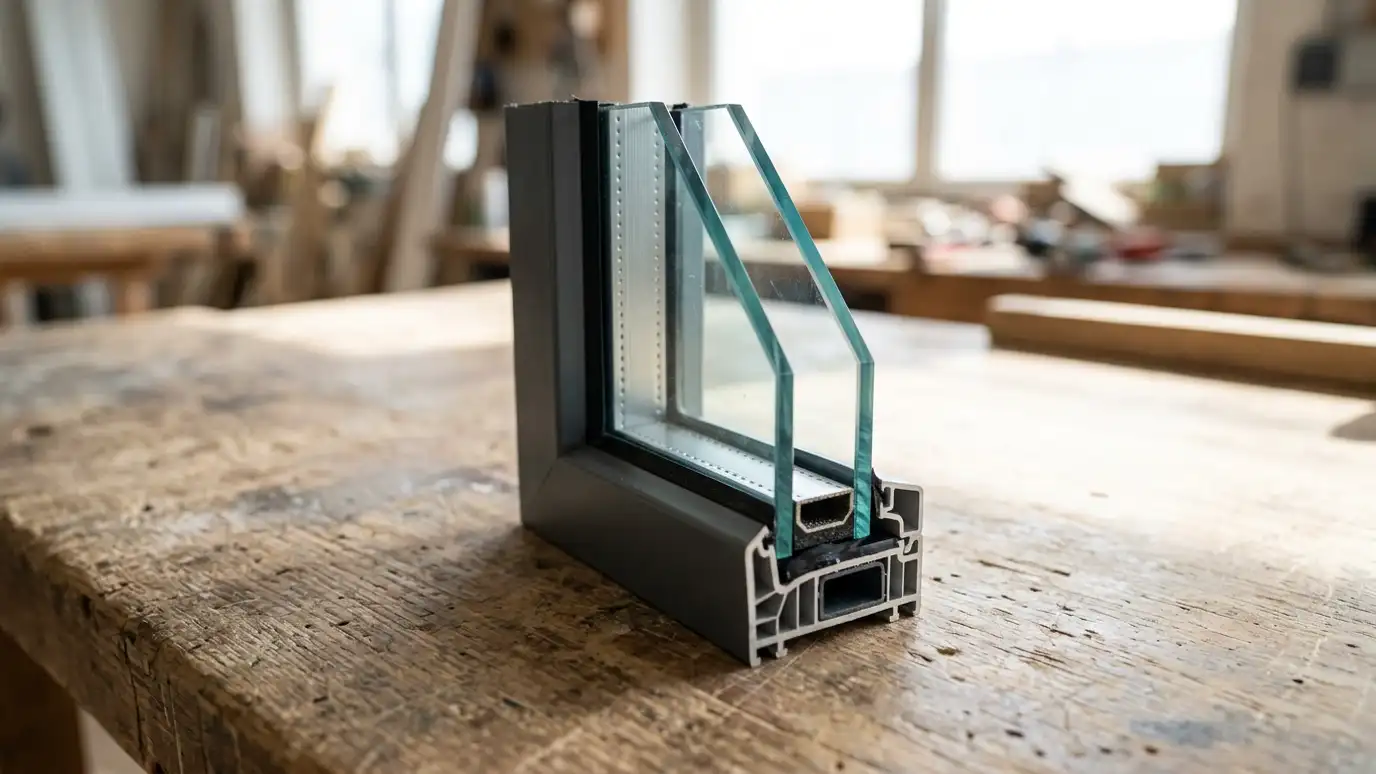
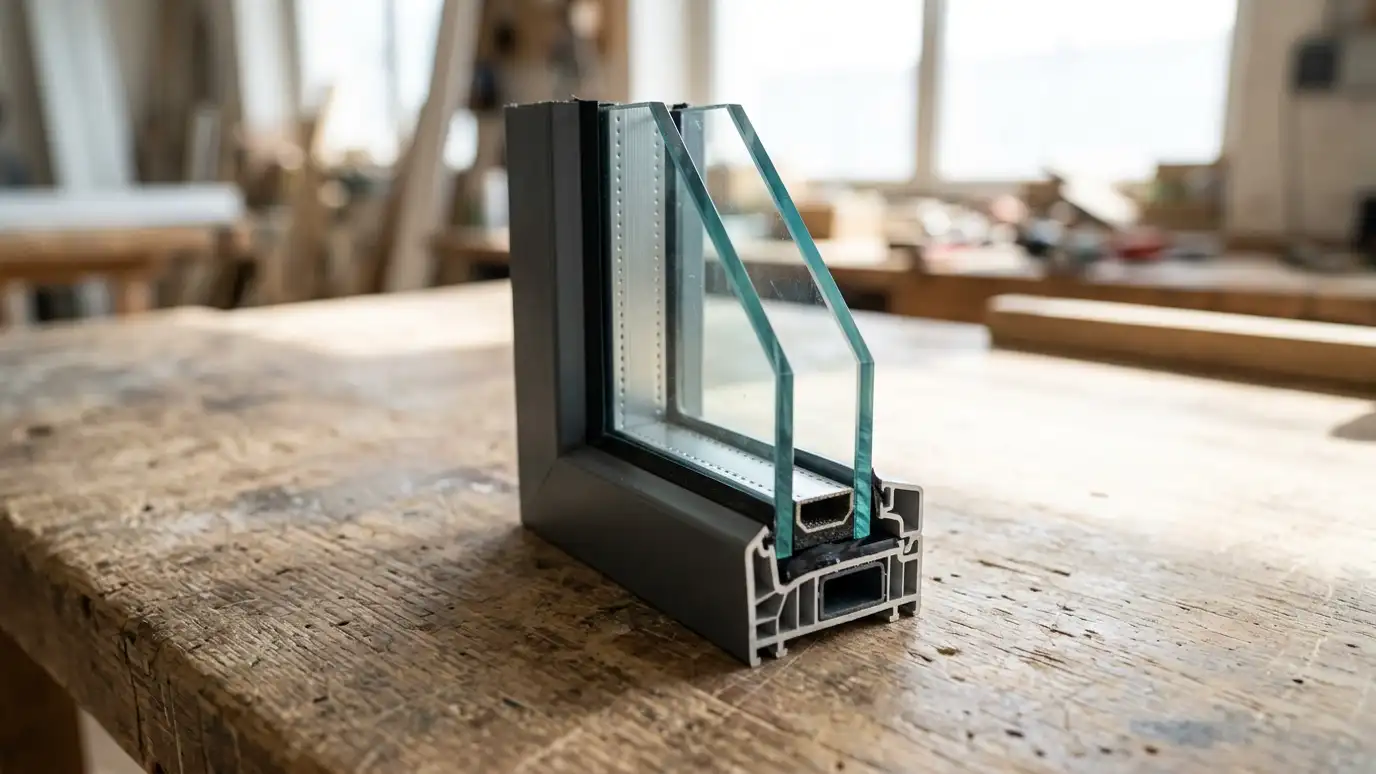
We look at each room and ask how you use it, how noisy it is and how much sun and wind it takes. We show glass cross-sections so you can see the layers and the spacers. We explain how the weight of triple-pane glass can affect sashes and balances and why frames must be built for it. We also talk about cost and payback honestly, so you can decide where triple-pane makes sense and where double-pane is enough.
A third pane adds insulation and sound control, and it also adds weight and cost, so it suits some rooms better than others.
Argon or similar gas between panes slows heat flow, and we explain the options and their effect.
The spacer that holds the panes apart affects edge temperature and condensation, and warm-edge spacers perform better.
Heavier glass needs strong balances and frames, so hardware must be matched to the glass.
Drag the handle to compare.
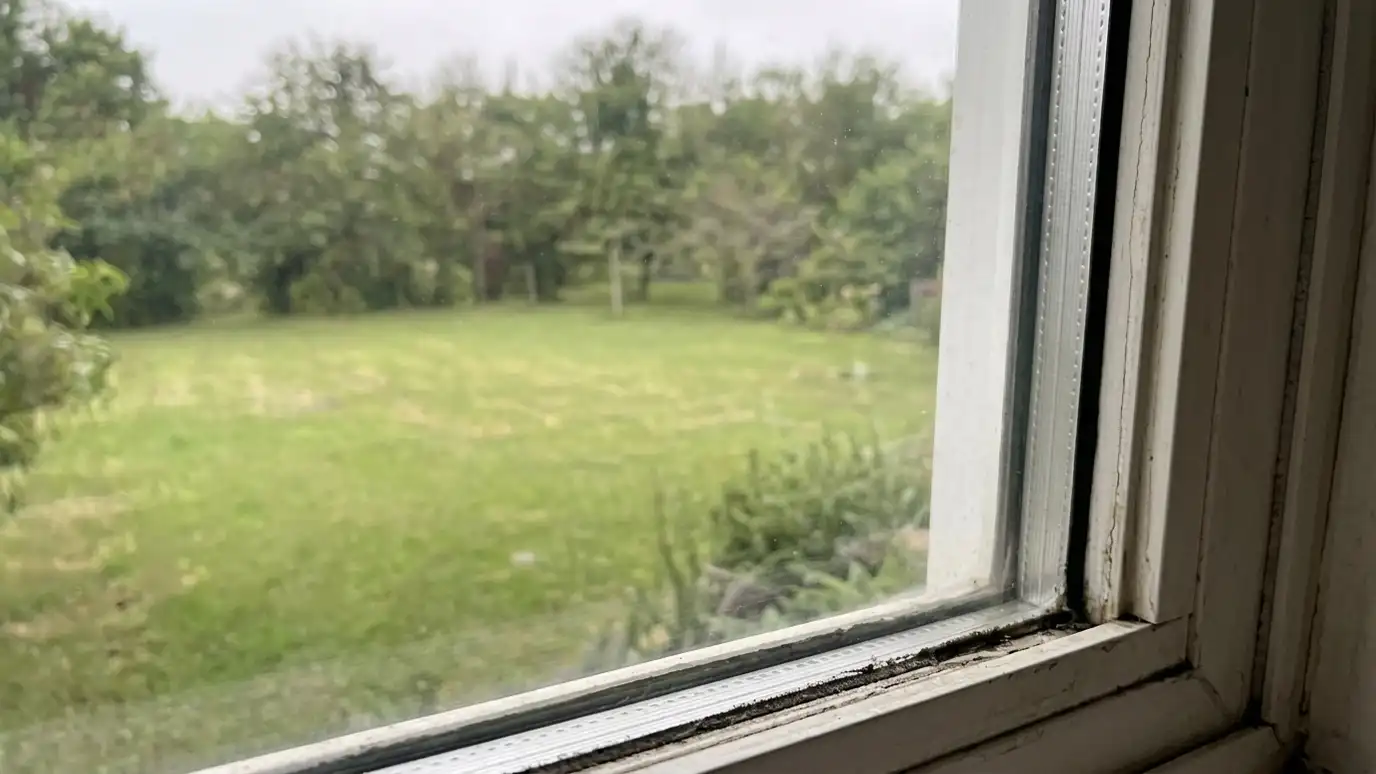
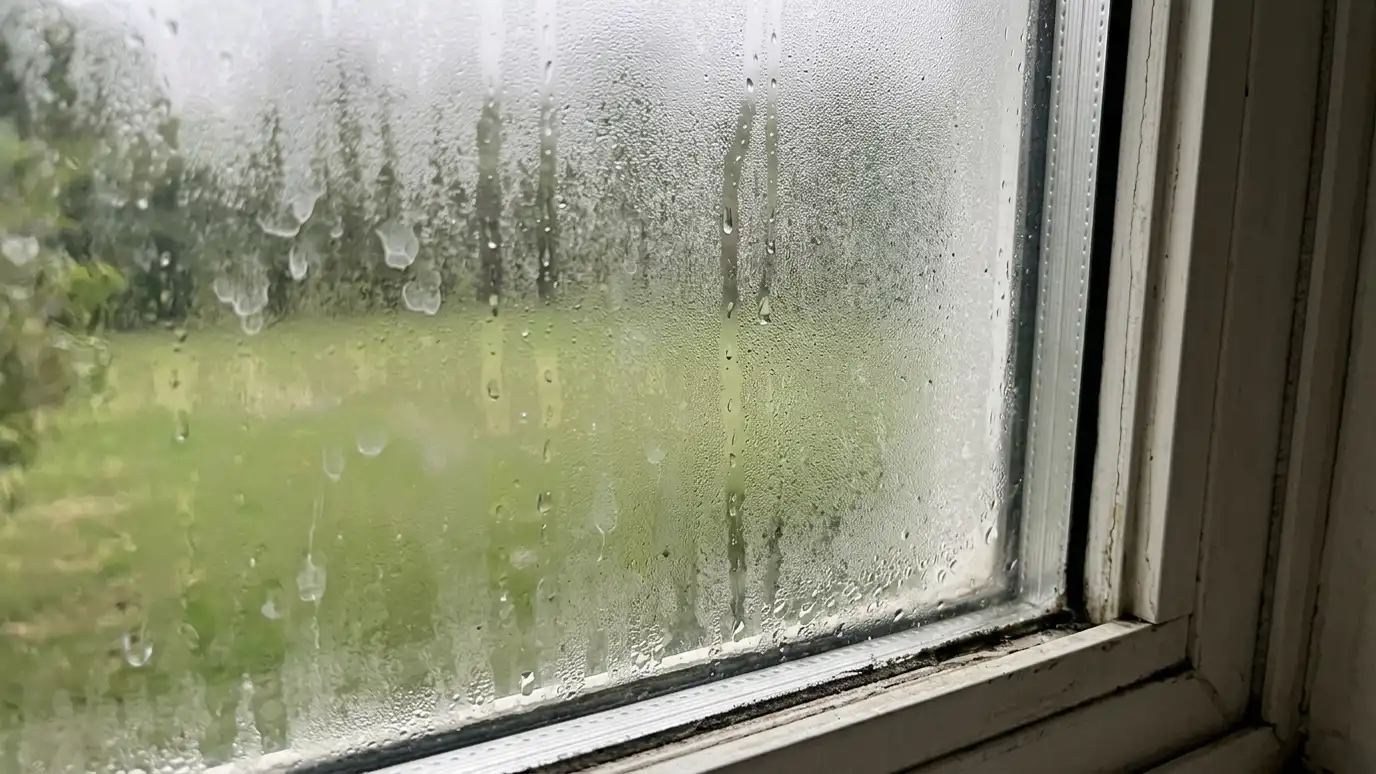 BeforeAfter
Cross-sections shown.
Where triple helps.
Efficiency details.
Quieter rooms.
Balances sized for weight.
No inflated claims.
Every topic has its own page with what to expect and how we approach it.
 Top brandGuardianA glass manufacturer whose products include coated and low-E glass used by window makers and building projects.Learn more Top brandCardinalA glass manufacturer known for coated glass and insulated glass components used in windows.Learn more Top brandVitro Architectural GlassA glass manufacturer offering coated, tinted and specialty architectural glass for commercial and residential projects.Learn more
Pick a window type or repair, set the quantity and add extras to see a ballpark planning range for your project.
You tell us what you want or what the windows are doing, and we set an estimate visit that fits your day.
We measure each opening, check the frames, sills and trim for rot and note options for style, glass and installation method.
You get a plain written scope with the window models, glass packages, trim and schedule, and you approve it before anything is ordered.
The windows are ordered or made to your sizes, inspected when they arrive and the work areas are protected.
We remove the old windows, set the new ones plumb and level, flash, insulate, seal and trim each opening.
We clean up, haul away the old windows if you asked, walk you through the finished work and explain how to care for them.
In noisy or very exposed rooms it can be. For many rooms, double-pane low-E is a good balance.
They help. Laminated glass and different pane thicknesses help even more.
Yes. The glass is heavier, so frames, balances and hardware must be built for it.
The strip that holds the panes apart. Warm-edge spacers improve performance.
Yes. Many homes use triple-pane only in certain rooms.
 Energy-Efficient WindowsWindows chosen for comfort and efficiency, with low-E glass, gas fill and tight installation explained plainly.Explore
 Sound-Reducing WindowsWindows built to quiet traffic, trains and neighbors, with laminated glass, thick panes and tight seals.Explore
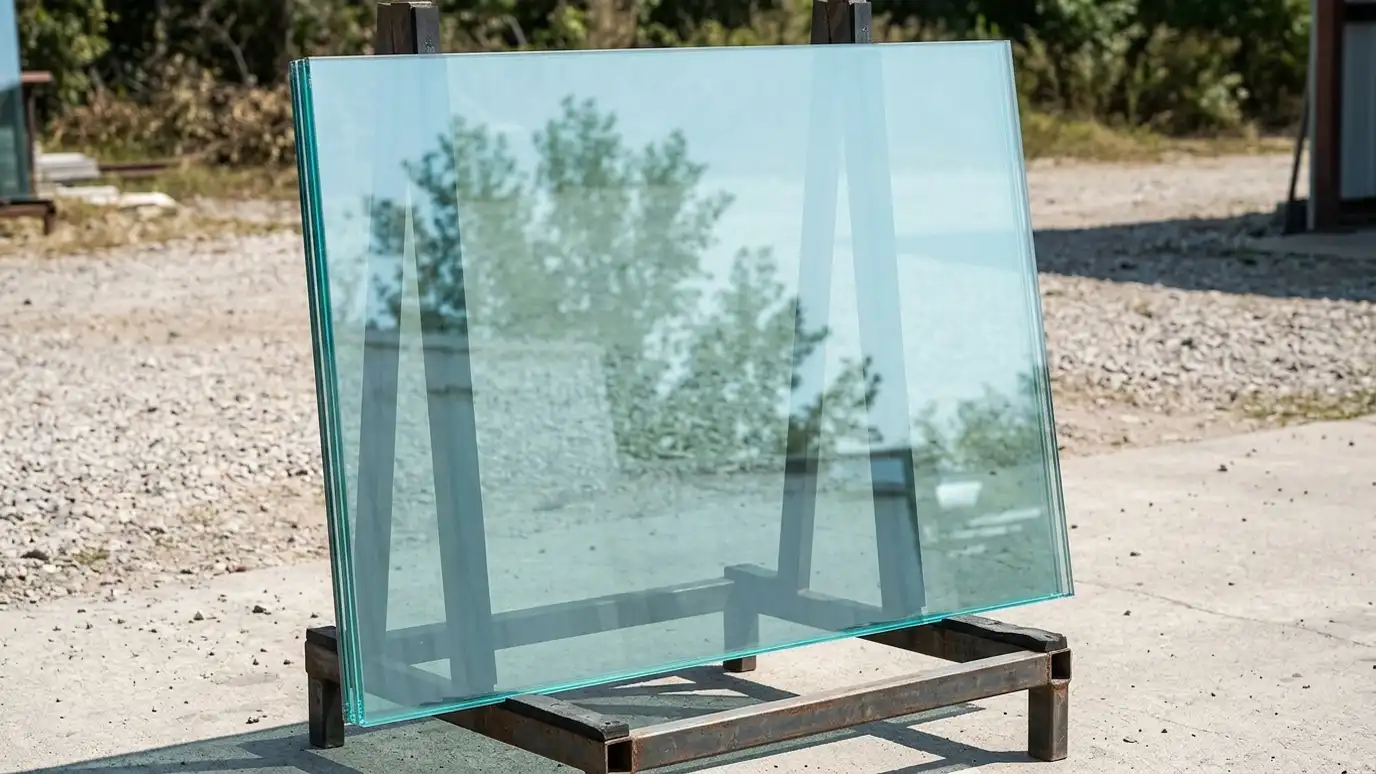 Low-E Glass WindowsGlass with a thin reflective coating that cuts heat gain and loss, with options for sunny and shaded…Explore
 Window Energy AssessmentA room-by-room look at your windows, glass and seals with advice on where upgrades will help comfort the…Explore
Tell us about your project and we will call you back to set up a visit.
Or call (615) 357-7797 to talk now.