Windows built to quiet traffic, trains and neighbors, with laminated glass, thick panes and tight seals.
Noise comes through windows in two ways: through the glass and through gaps around the sash and the frame. Quieting a room means attacking both. Laminated glass, panes of different thickness, wider air spaces and tight seals all help, and a careful installation closes the gaps that let sound leak. Homeowners in Nashville ask about sound control for bedrooms on busy streets, for homes near highways and rail lines and for work-from-home offices.
We start by listening to the room and asking what noise you hear. We then recommend a glass package, often laminated glass with an acoustic interlayer, and a frame that closes tightly. We explain how sound ratings work and what to expect, since no window makes a room silent. We install with foam and sealant around the frame, because gaps can undo much of the benefit, and we discuss adding interior inserts for the quietest result.
A flexible layer between two panes dampens vibration, which is why laminated glass reduces noise better than plain glass of the same thickness.
Using panes of different thickness breaks up sound waves, and a wider air space helps with low sounds.
Sound goes through any opening, so tight weatherstripping and a well-sealed installation matter as much as the glass.
Windows reduce noise, they do not remove it, and we explain what difference to expect.
Drag the handle to compare.
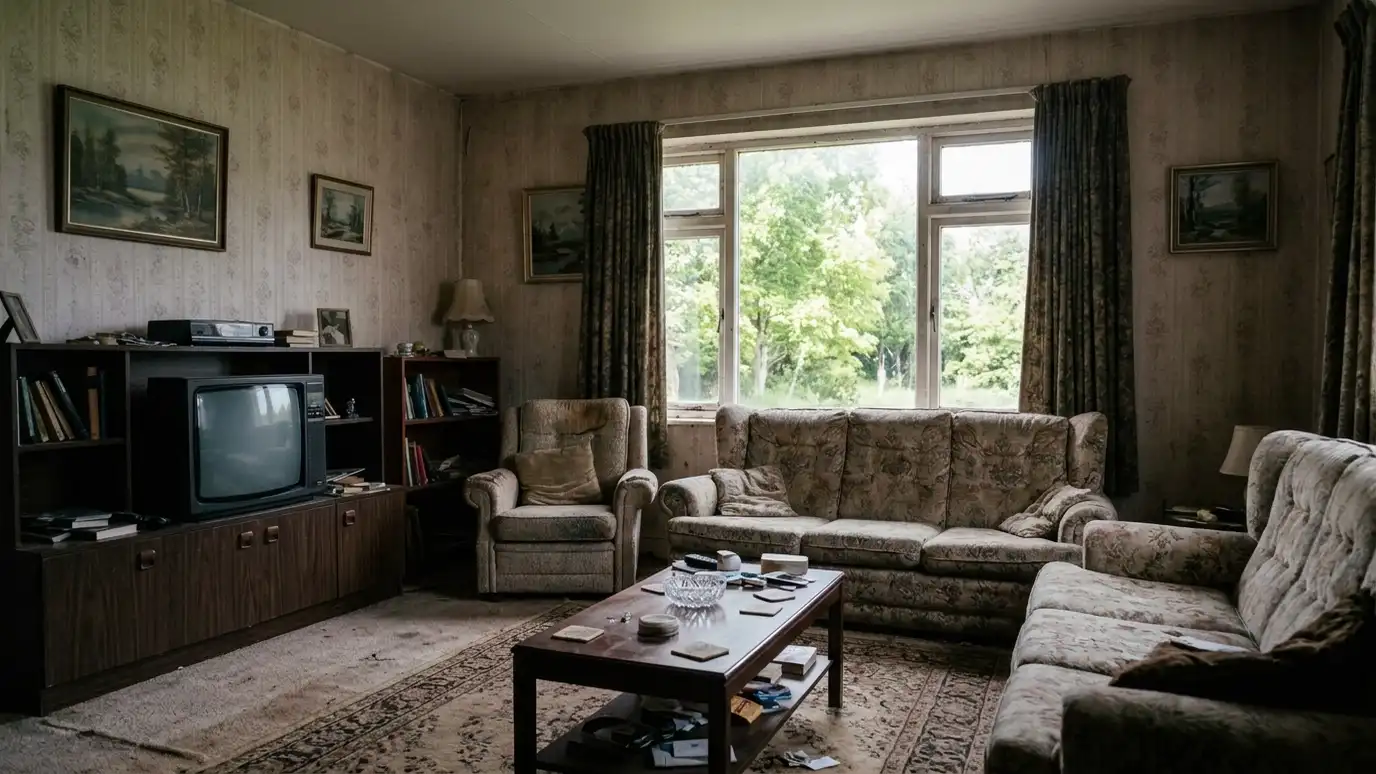
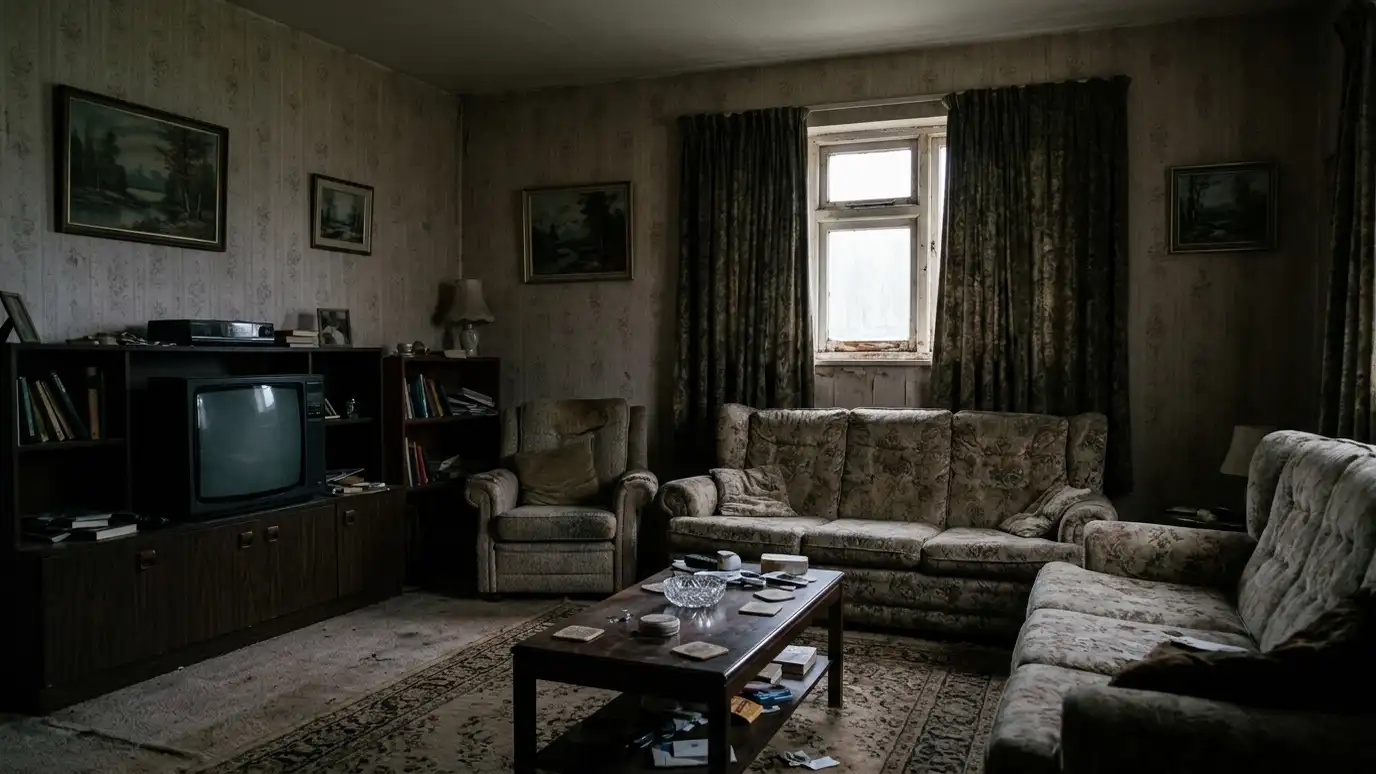 BeforeAfter
Acoustic glass choices.
Better sound control.
Strong weatherstripping.
Foam and sealant.
For the quietest rooms.
Clear expectations.
Every topic has its own page with what to expect and how we approach it.
 Top brandVitro Architectural GlassA glass manufacturer offering coated, tinted and specialty architectural glass for commercial and residential projects.Learn more
 Top brandENERGY STARA government-backed program that labels energy-efficient products, with guidance for choosing efficient windows.Learn more Top brandNFRCThe National Fenestration Rating Council, a nonprofit that rates and labels the energy performance of windows.Learn more
Enter up to three bids and score price, window and glass details, installation scope and communication with your own weights.
You tell us what you want or what the windows are doing, and we set an estimate visit that fits your day.
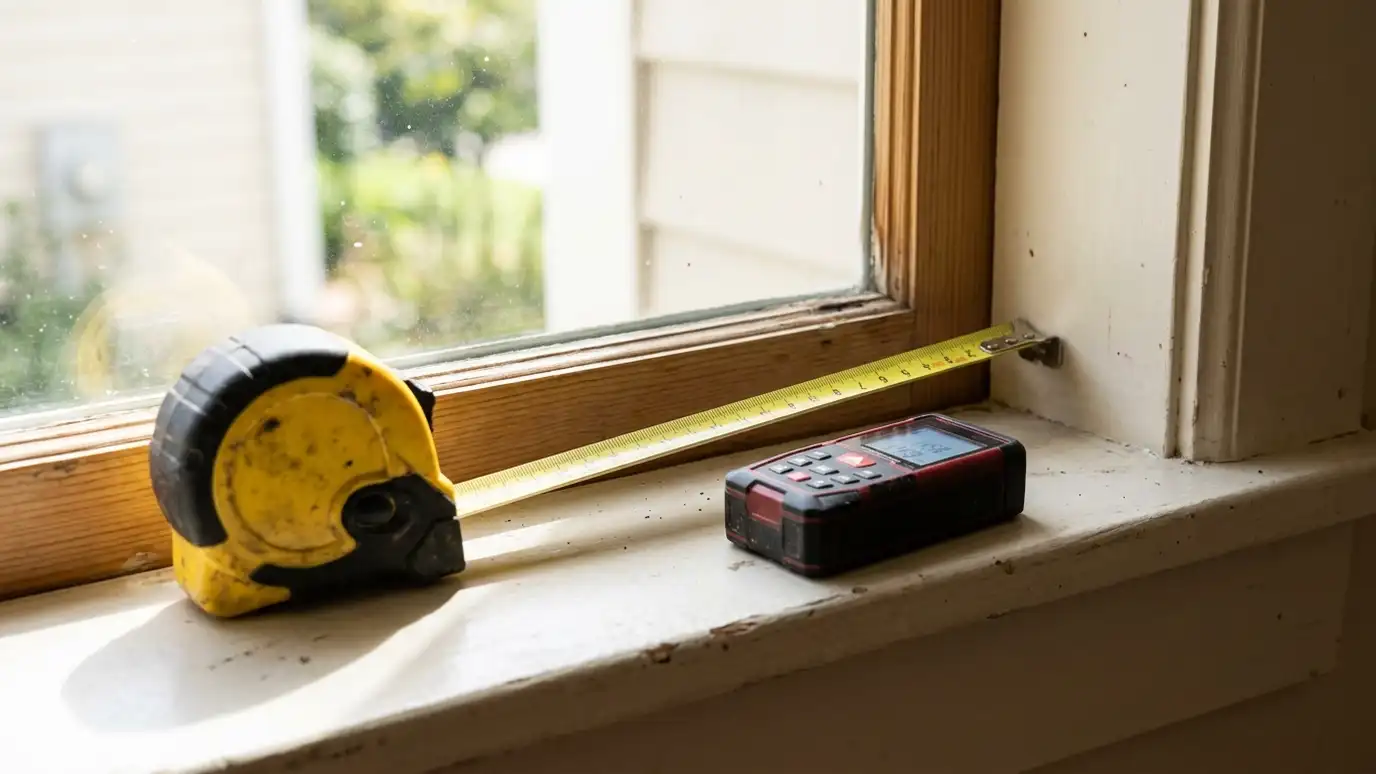
We measure each opening, check the frames, sills and trim for rot and note options for style, glass and installation method.
You get a plain written scope with the window models, glass packages, trim and schedule, and you approve it before anything is ordered.
The windows are ordered or made to your sizes, inspected when they arrive and the work areas are protected.
We remove the old windows, set the new ones plumb and level, flash, insulate, seal and trim each opening.
We clean up, haul away the old windows if you asked, walk you through the finished work and explain how to care for them.
No window blocks all sound. Good ones reduce it noticeably, and we explain what to expect.
Laminated glass, often with panes of different thickness, helps most.
It can, especially with different pane thicknesses. Laminated glass often helps more.
Yes. Tight seals and a well-sealed installation keep sound from leaking around the sash.
Yes. An insert adds another layer and can improve results.
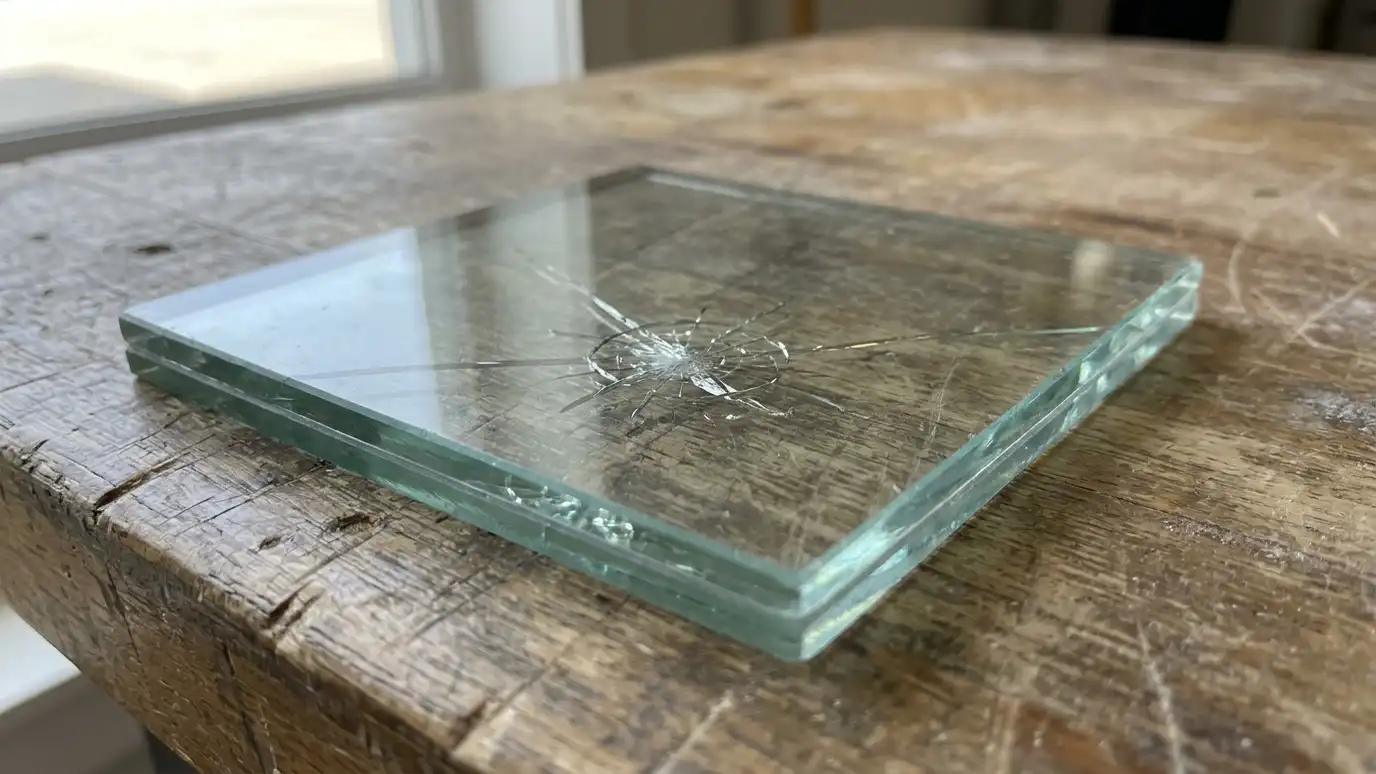 Laminated and Security Glass WindowsLaminated glass that holds together when broken, for safety, security, sound control and UV protection.Explore
 Double- and Triple-Pane WindowsInsulated glass with two or three panes, explained plainly so you can choose what each room really needs.Explore
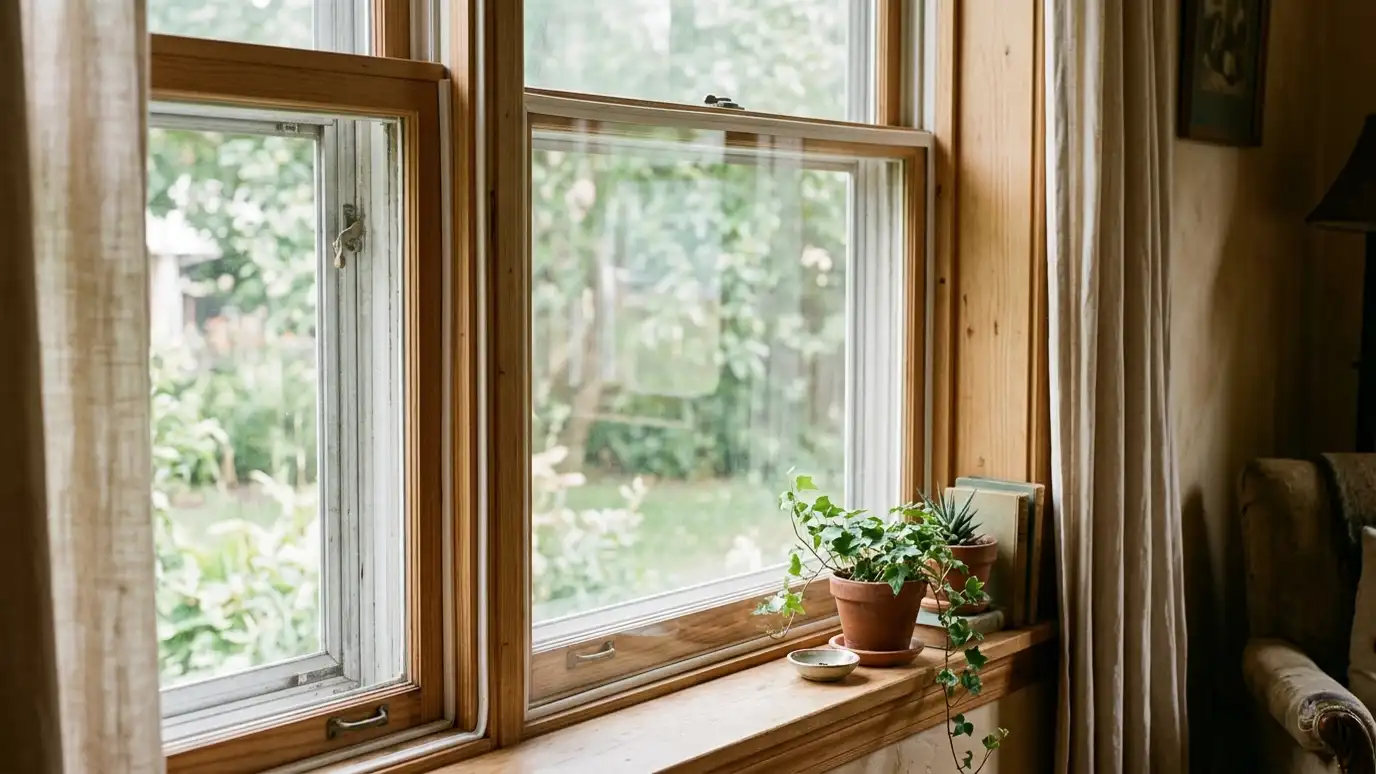 Interior Storm Windows and InsertsRemovable interior window inserts that add insulation and sound control without changing the outside look.Explore
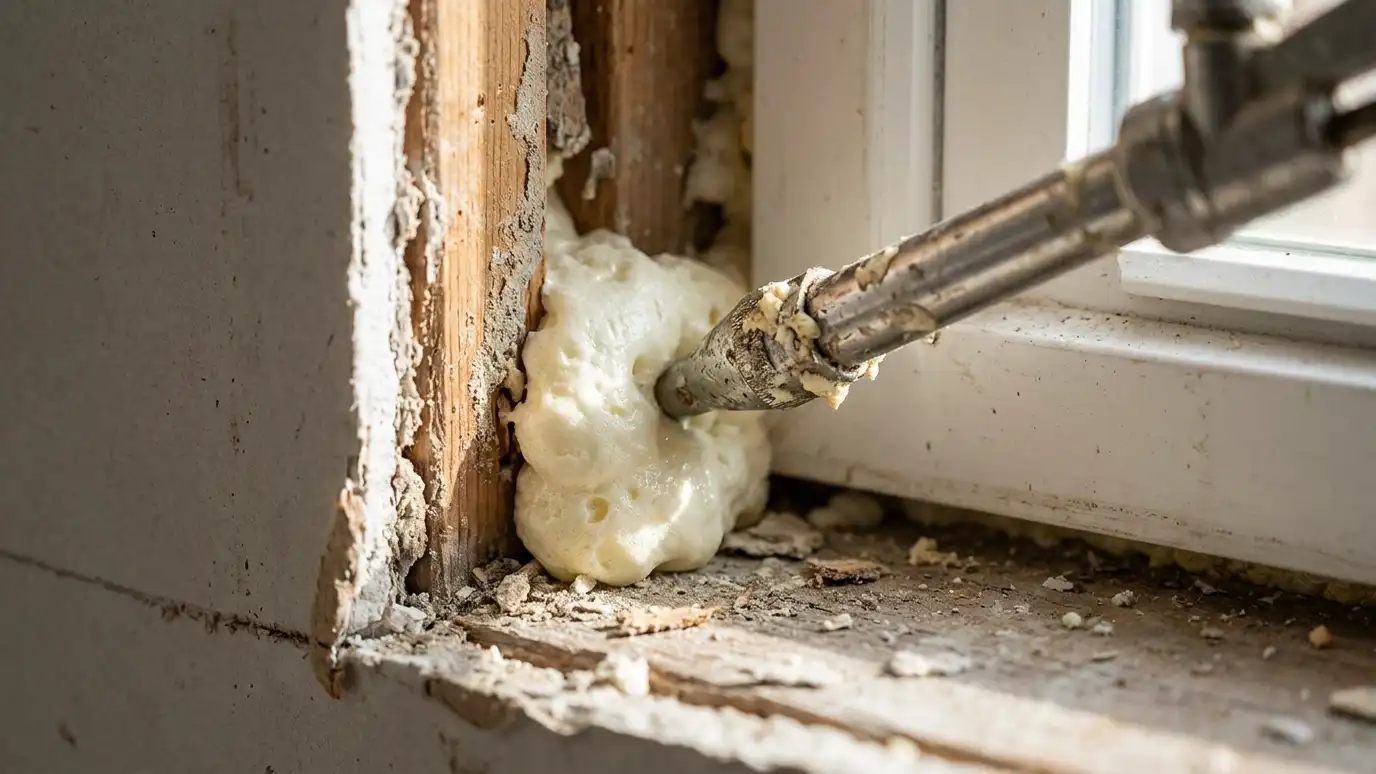 Window Insulation and Air SealingLow-expansion foam and sealant in the gap around the frame, closing a path for drafts and energy loss.Explore
Tell us about your project and we will call you back to set up a visit.
Or call (615) 357-7797 to talk now.