Glass with a thin reflective coating that cuts heat gain and loss, with options for sunny and shaded walls.
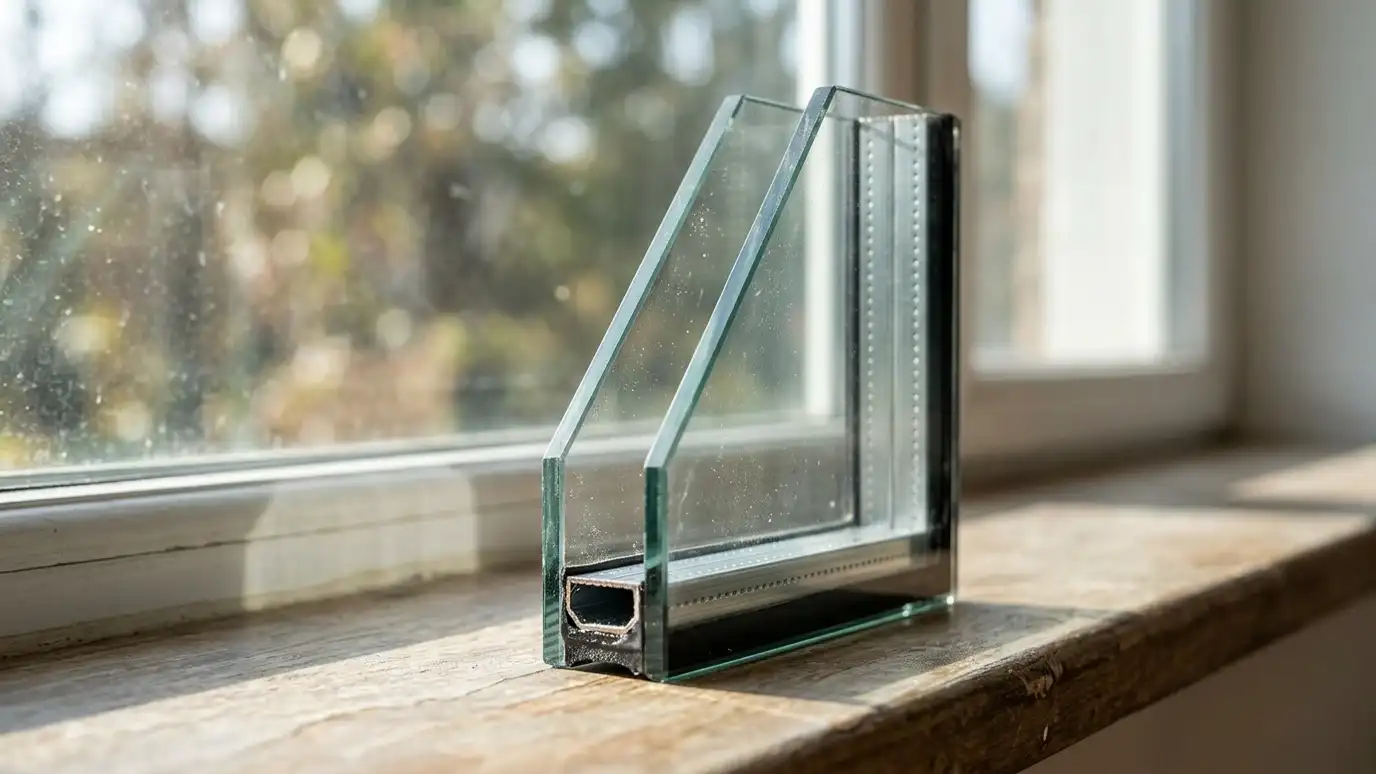
Low-E stands for low emissivity. A microscopically thin coating on the glass reflects heat while letting most visible light through. In summer it keeps sun heat out, and in winter it keeps room heat in. Different coatings suit different walls: a sunny west window may want a coating that blocks more solar heat, while a shaded north window may benefit from one that lets more through. Homeowners in Nashville ask us which low-E glass to choose for each room.
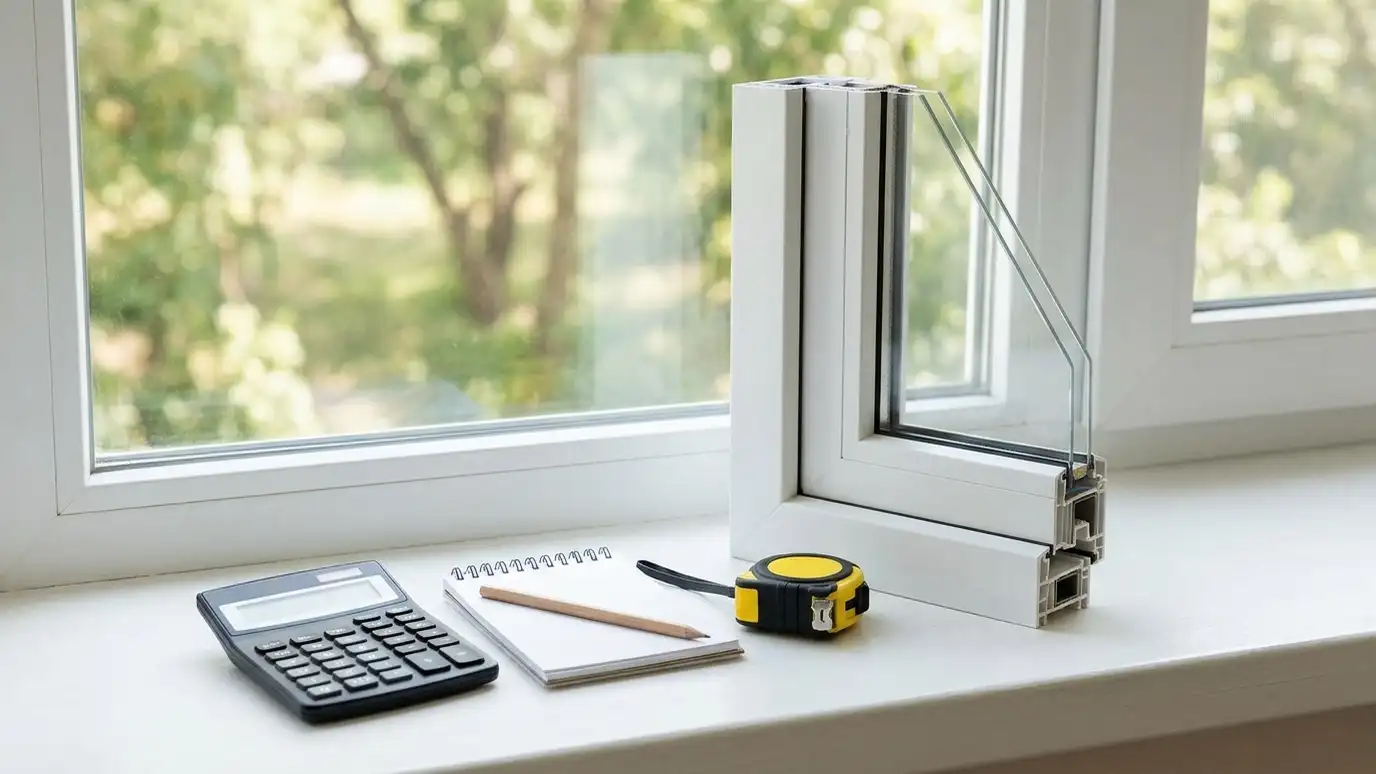
We look at which way each window faces, how much shade it gets and how you use the room. We explain the types of low-E coatings, the difference between a single and double coating and how gas fill and spacers add to the effect. We show you glass samples and explain the ratings, so the choice is not a mystery. We then order the windows with the glass package you chose and install them with attention to sealing the frame.
The coating reflects infrared heat, so heat from the sun or from your furnace is held on the side where you want it.
Sunny walls often benefit from coatings that block more solar heat, and shaded walls from coatings that let more sun in.
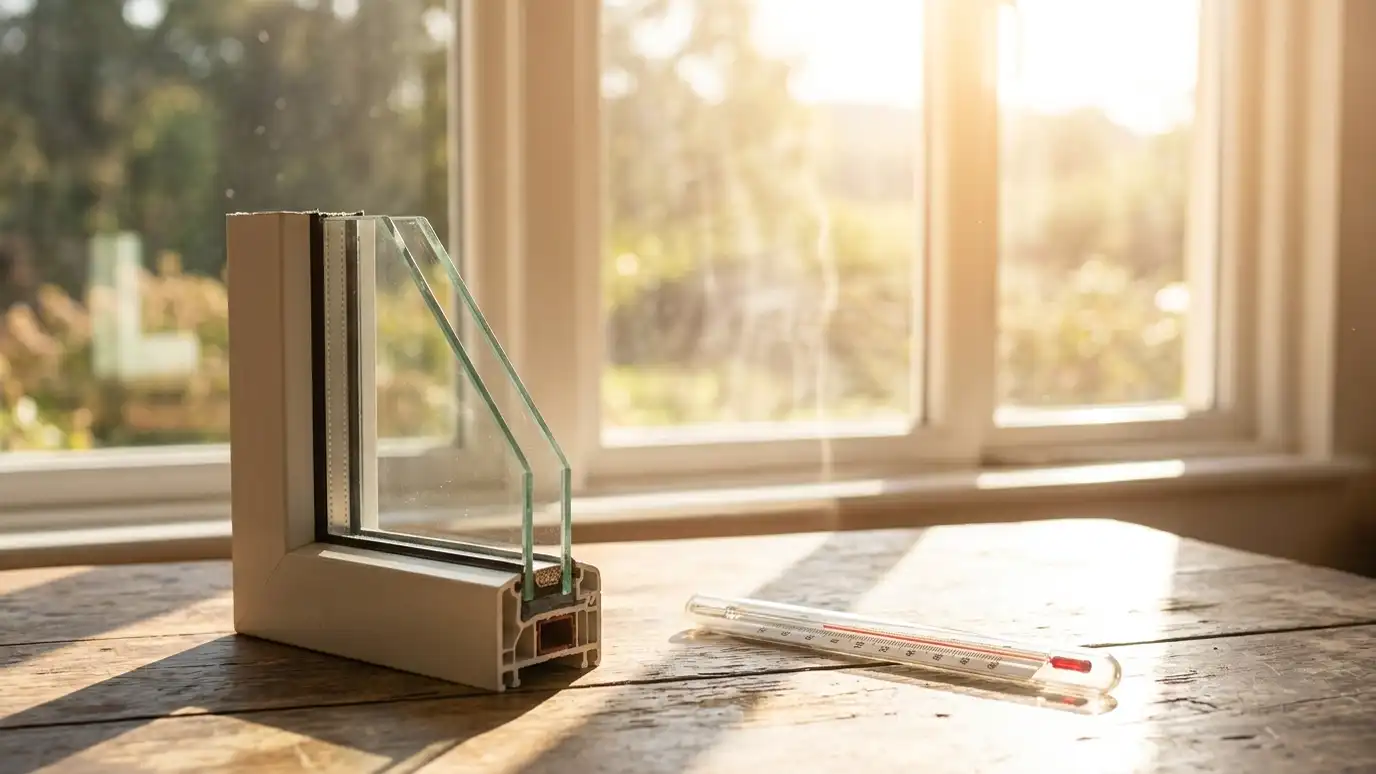
Argon gas between the panes and warm-edge spacers work with the coating to slow heat flow.
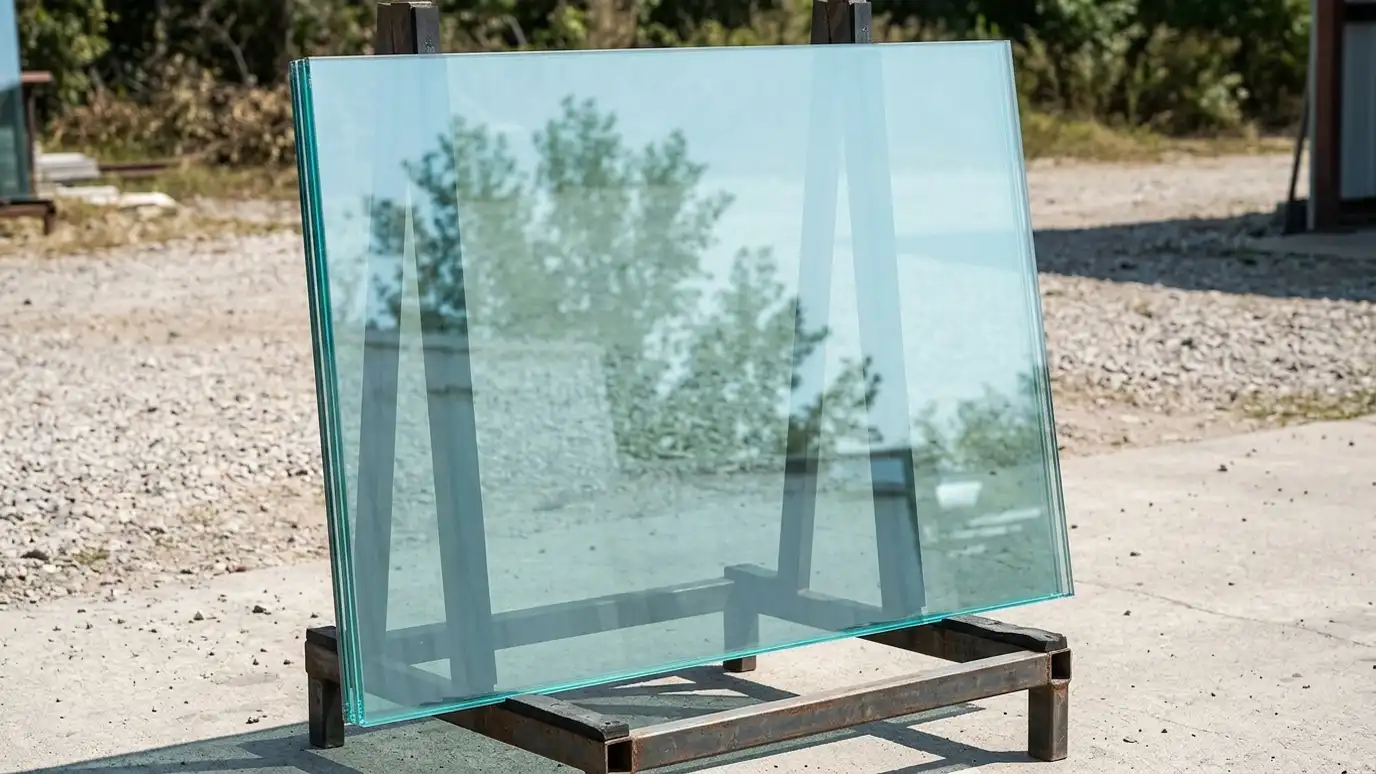
Low-E glass is nearly clear, with a faint tint in some coatings, and we show samples so you can see it.
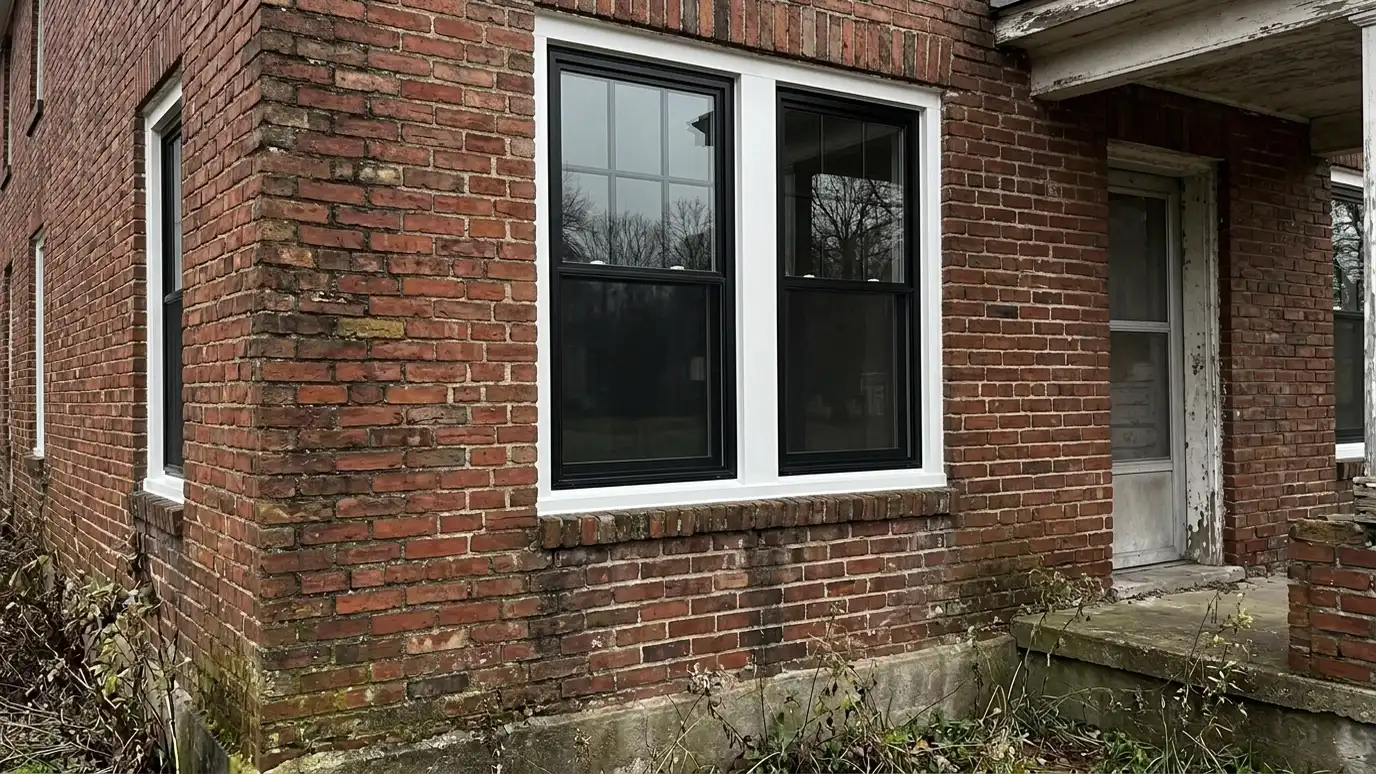
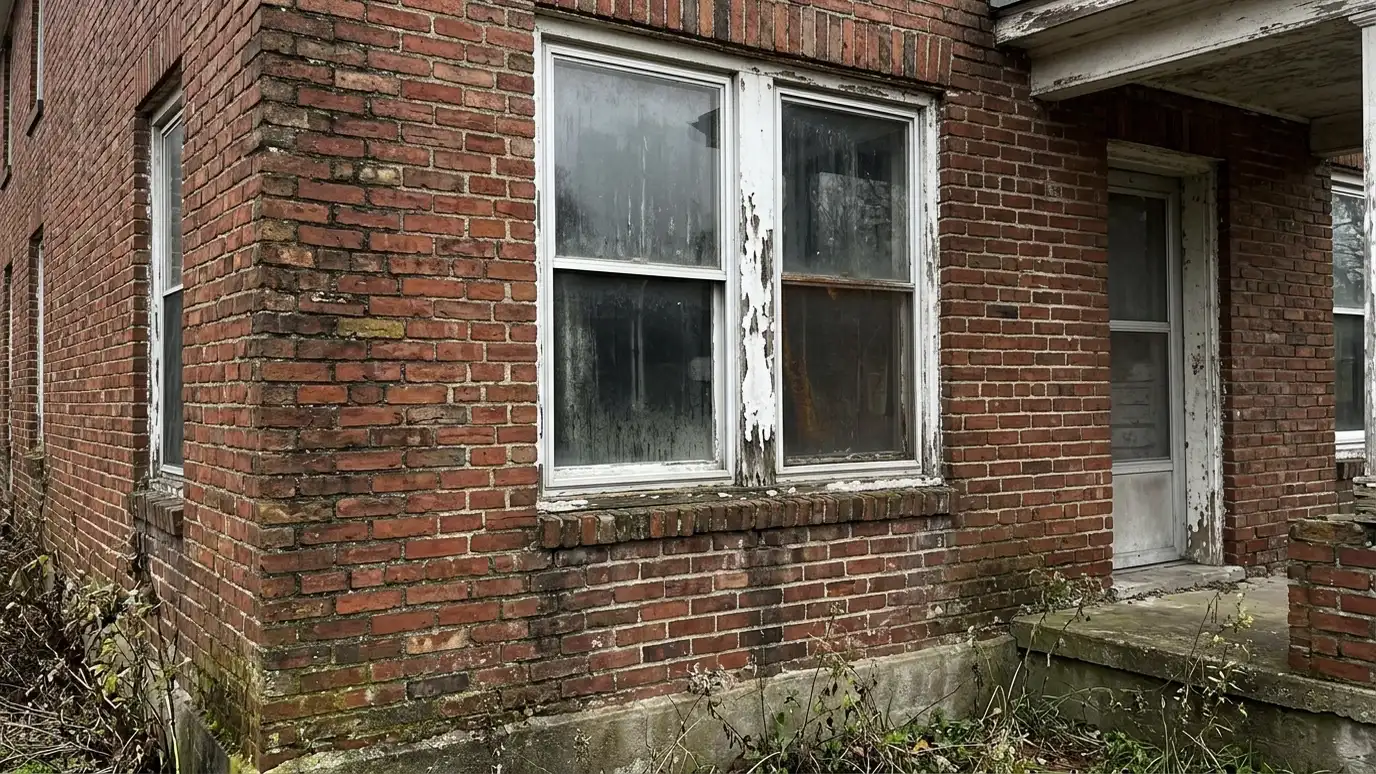
Drag the handle to compare.
 BeforeAfter
Reflects heat both ways.
Sun and shade considered.
Added efficiency.
Light stays bright.
Less UV and heat.
Ratings made simple.
Every topic has its own page with what to expect and how we approach it.
 Topic guideWindow Energy RatingsU-factor, solar heat gain, visible transmittance and air leakage explained in plain language, with notes on how to…Learn more
 Topic guideWindow Grids and ColorsGrid patterns, between-glass grids, simulated divided lites, frame colors and finishes compared for style and upkeep.Learn more
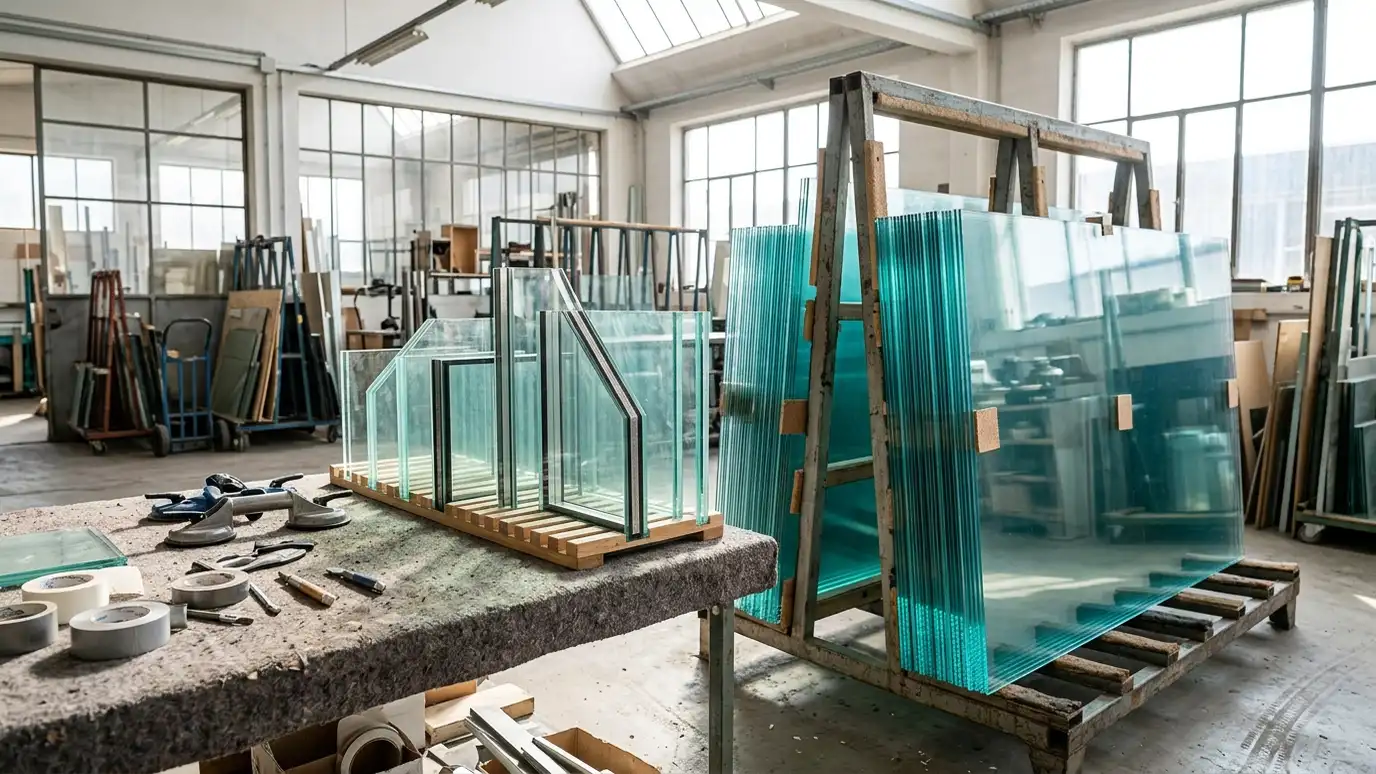 Top brandGuardianA glass manufacturer whose products include coated and low-E glass used by window makers and building projects.Learn more
Enter your opening width and height to see the nearest standard size, the glass area and whether it can work as an egress window.
You tell us what you want or what the windows are doing, and we set an estimate visit that fits your day.
We measure each opening, check the frames, sills and trim for rot and note options for style, glass and installation method.
You get a plain written scope with the window models, glass packages, trim and schedule, and you approve it before anything is ordered.
The windows are ordered or made to your sizes, inspected when they arrive and the work areas are protected.
We remove the old windows, set the new ones plumb and level, flash, insulate, seal and trim each opening.
We clean up, haul away the old windows if you asked, walk you through the finished work and explain how to care for them.
It is nearly clear, and some coatings have a slight tint. We show samples.
For most homes in this climate, yes. It adds comfort and helps efficiency.
It reduces UV, which helps with fading, though it does not stop it completely.
Yes, and it is a good idea on very sunny or very shaded sides.
Yes. Grids between the glass do not affect the coating.
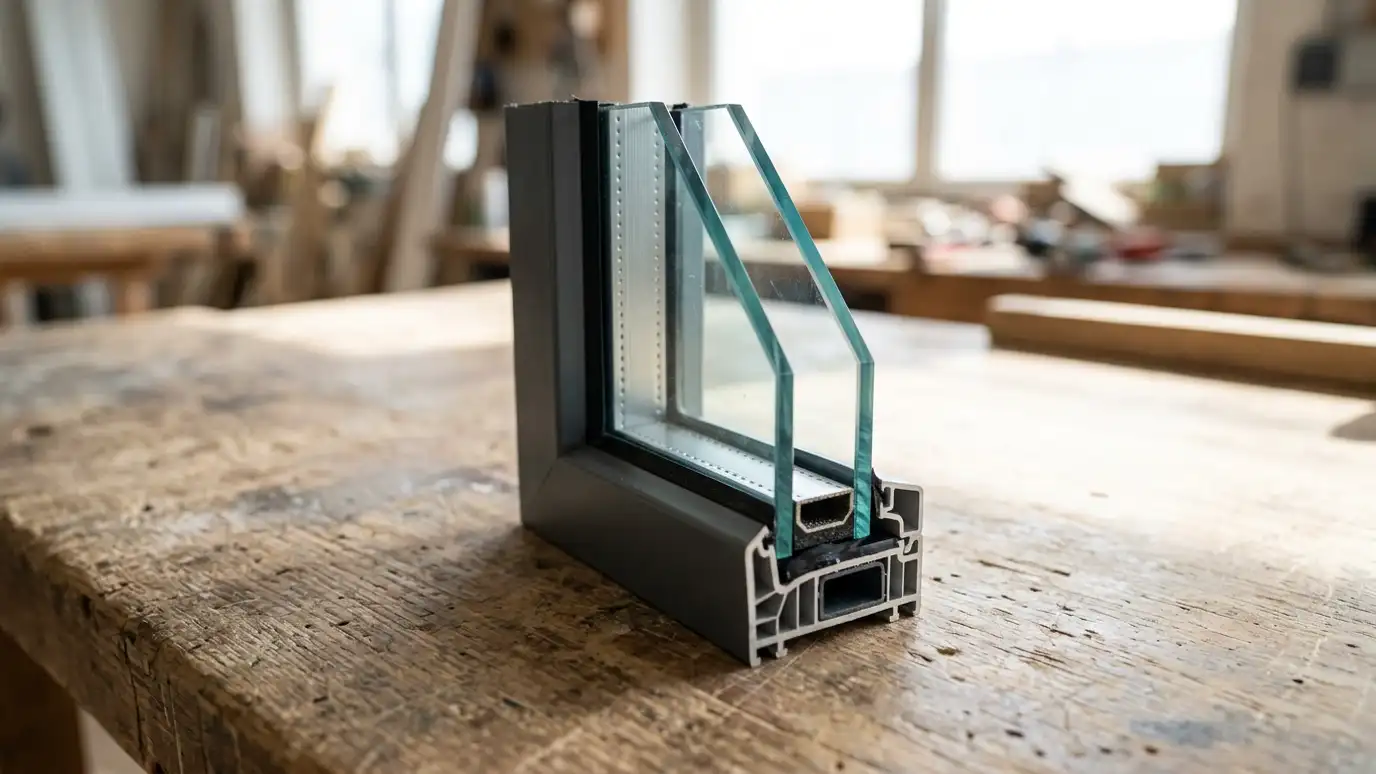 Energy-Efficient WindowsWindows chosen for comfort and efficiency, with low-E glass, gas fill and tight installation explained plainly.Explore
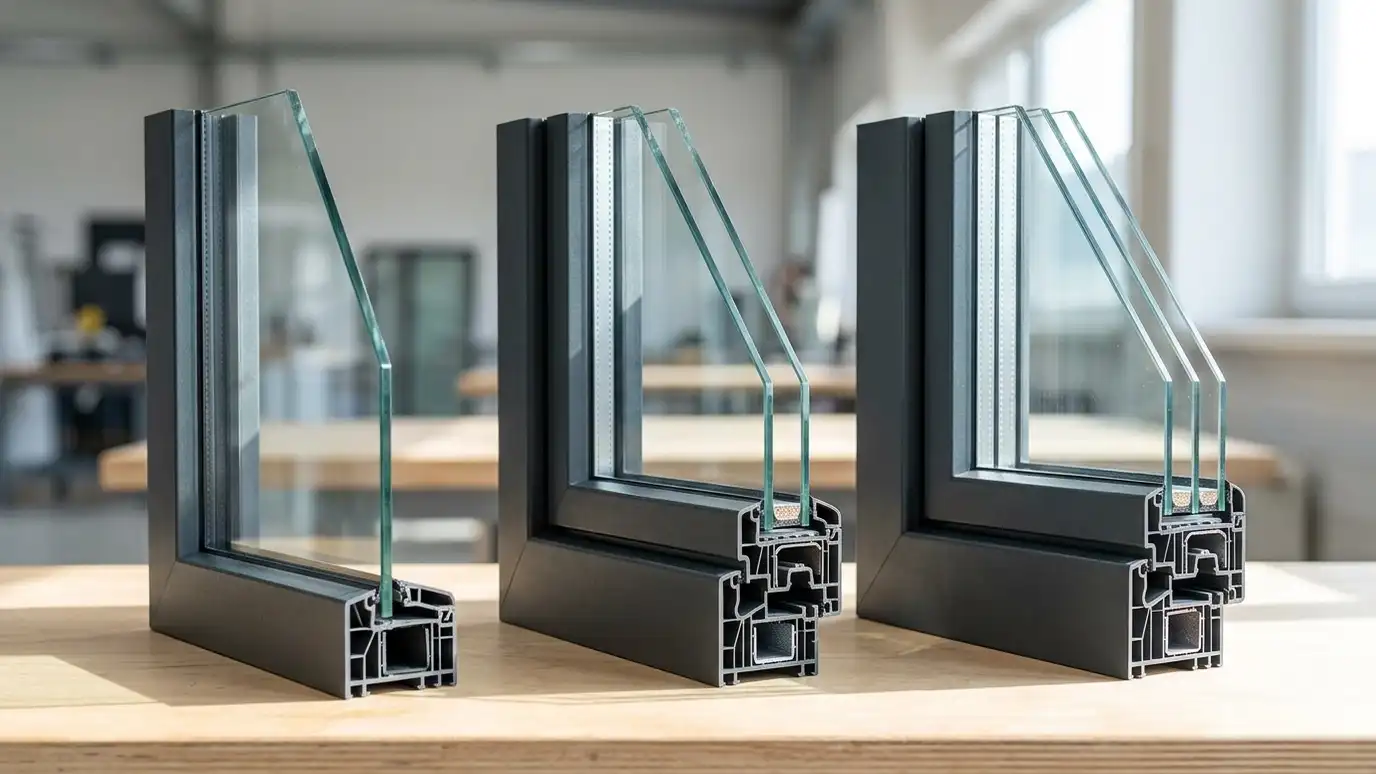 Double- and Triple-Pane WindowsInsulated glass with two or three panes, explained plainly so you can choose what each room really needs.Explore
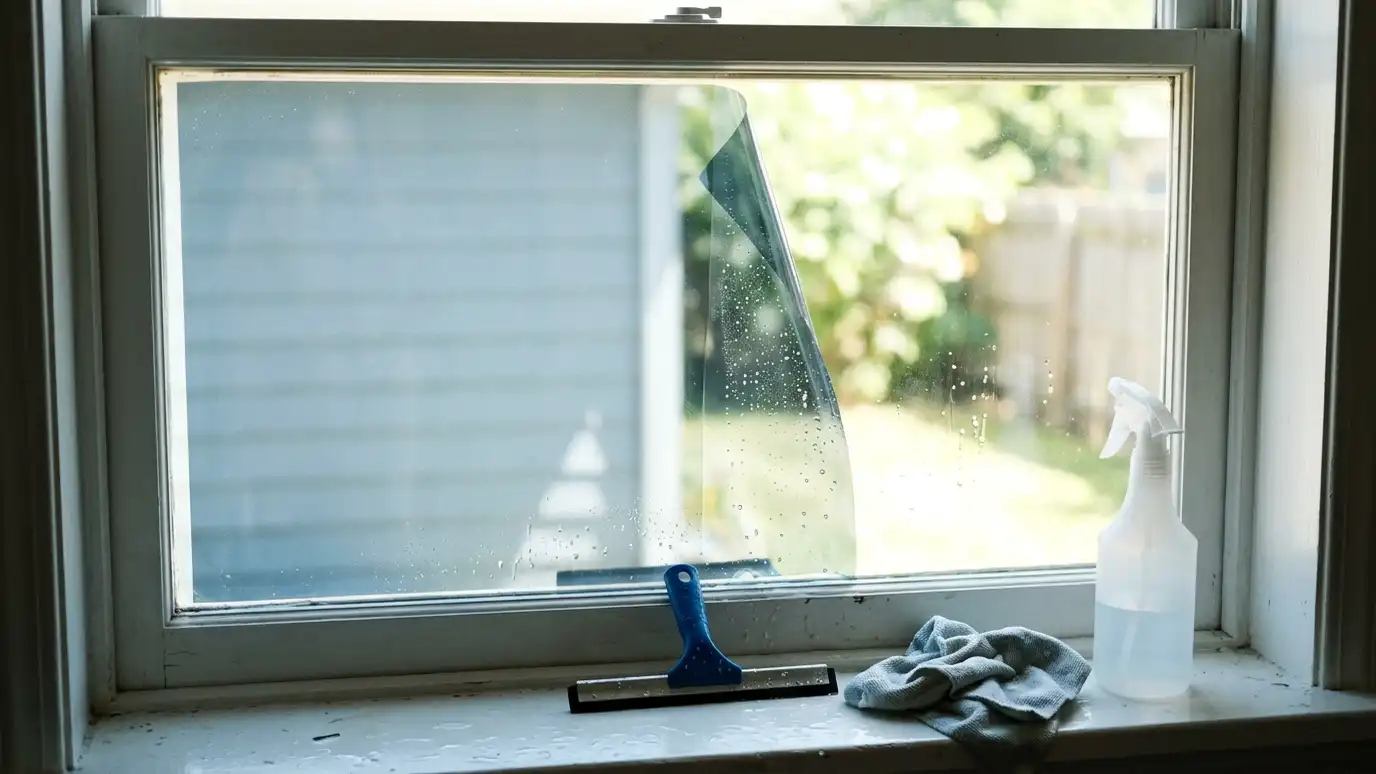 Window Film and TintingSolar control, privacy and decorative film applied to existing glass to cut glare, heat and fading.Explore
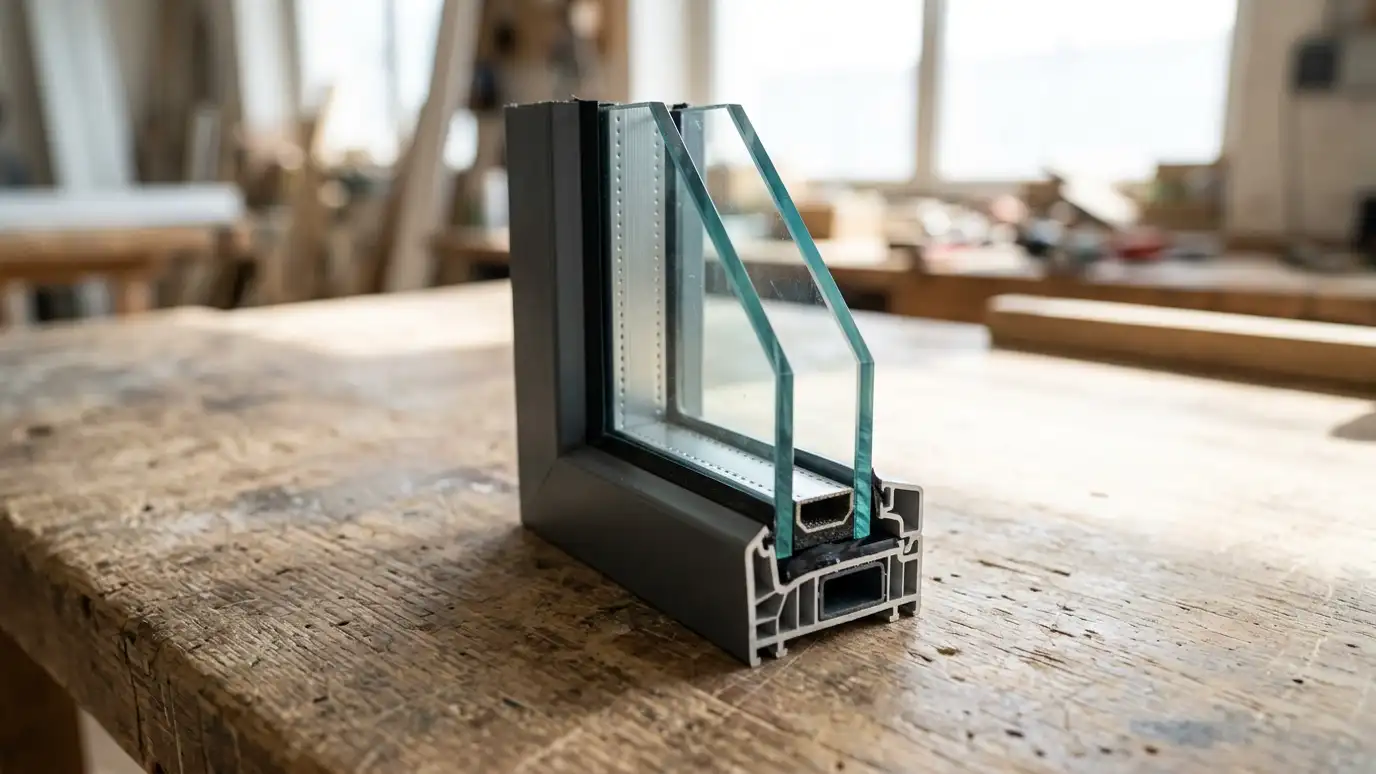 Window Energy AssessmentA room-by-room look at your windows, glass and seals with advice on where upgrades will help comfort the…Explore
Tell us about your project and we will call you back to set up a visit.
Or call (615) 357-7797 to talk now.