Start with an inventory
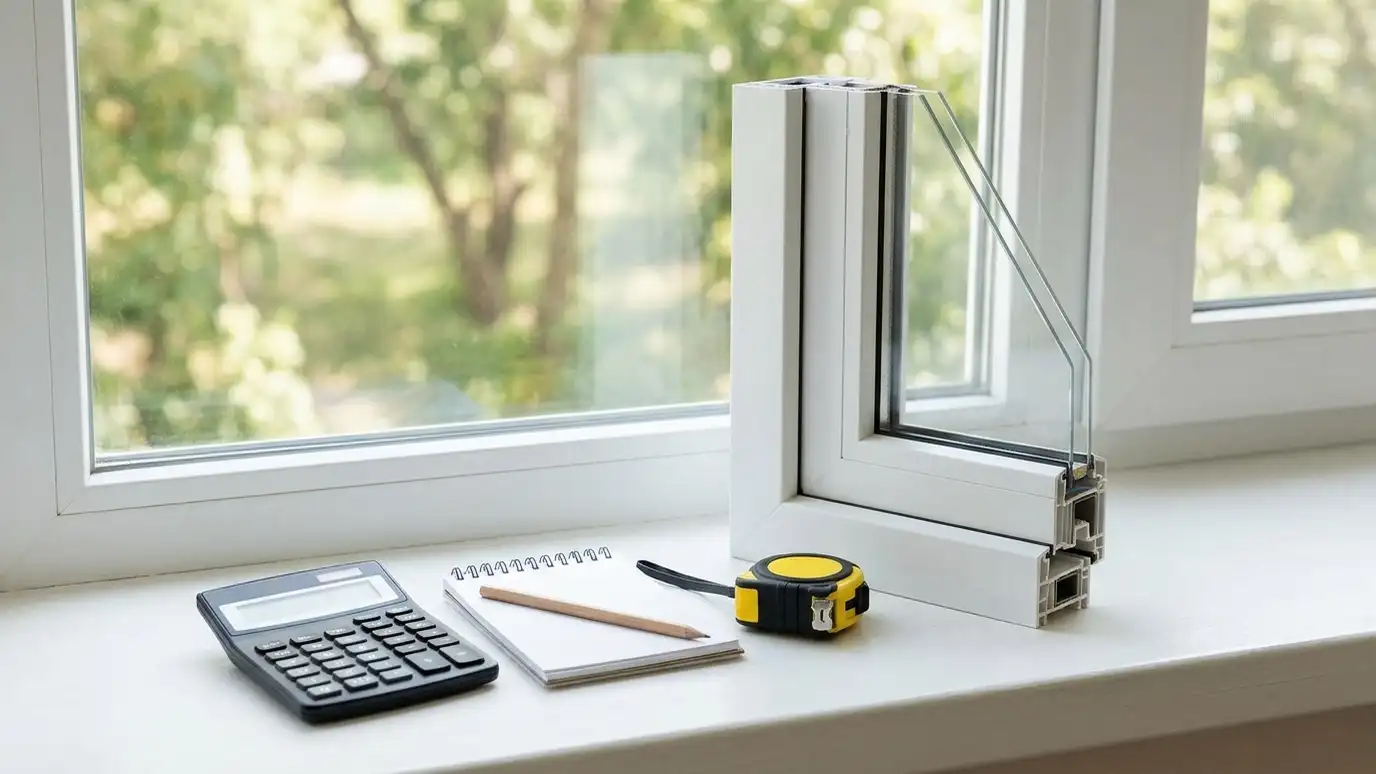
List every window by floor, size, type, frame and condition. Take photos. This inventory is the base for budgets, ordering and scheduling, and it tells you which windows are failing first.
For multiple buildings, keep one list for the whole portfolio.
We can prepare the inventory with you.
Walk the building with your facilities team and ask what they hear from occupants. Hot spots, drafts and glare complaints are clues to where to start, and the staff know the building better than any plan.
Set goals
Decide what you want: energy savings, comfort, safety, noise control, appearance or all of them. Goals drive glass and frame choices. A storefront cares about security and display, while an office cares about glare and comfort.
Share goals with every company bidding, so proposals can be compared.
Write them in the scope.
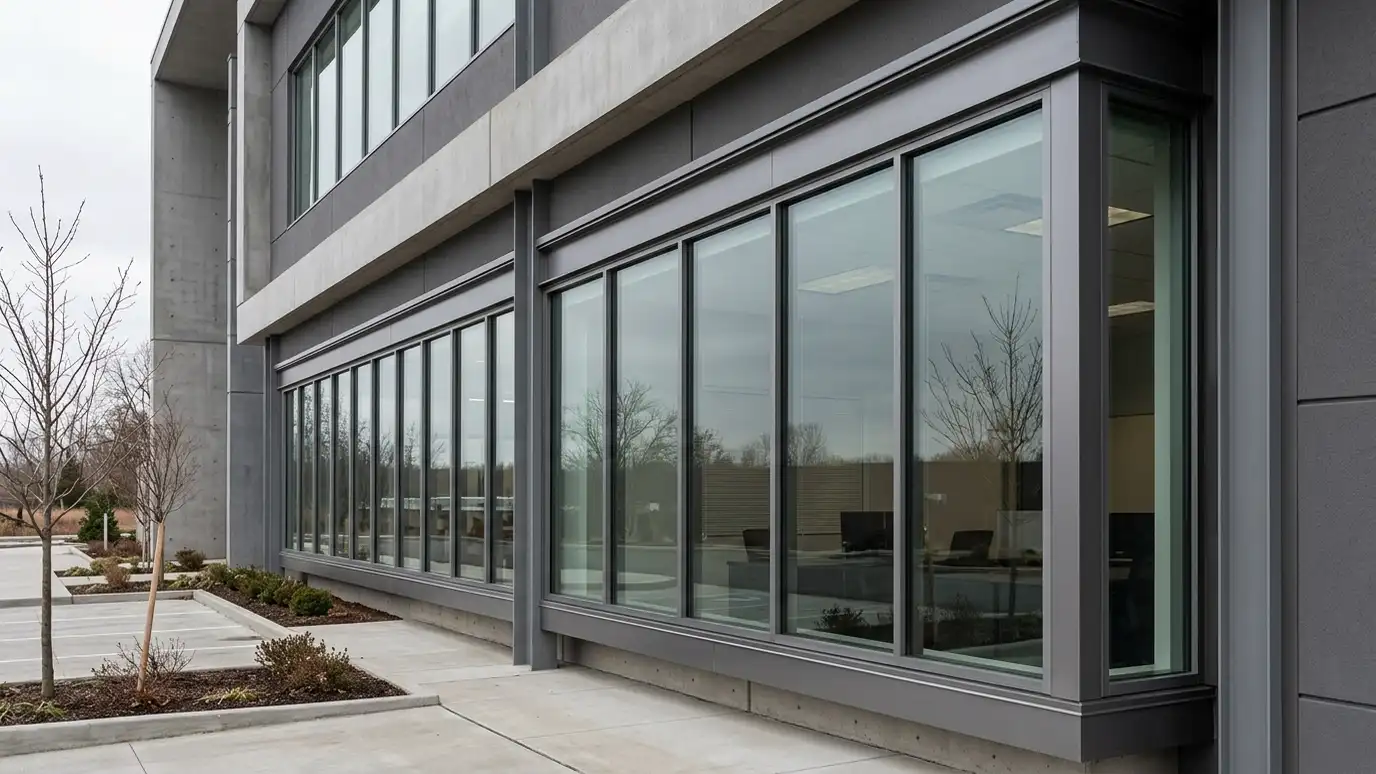
Photograph every elevation of the building in good light. A set of pictures with notes helps companies understand the job before they visit and allows for more accurate proposals.
Choose glass and frames
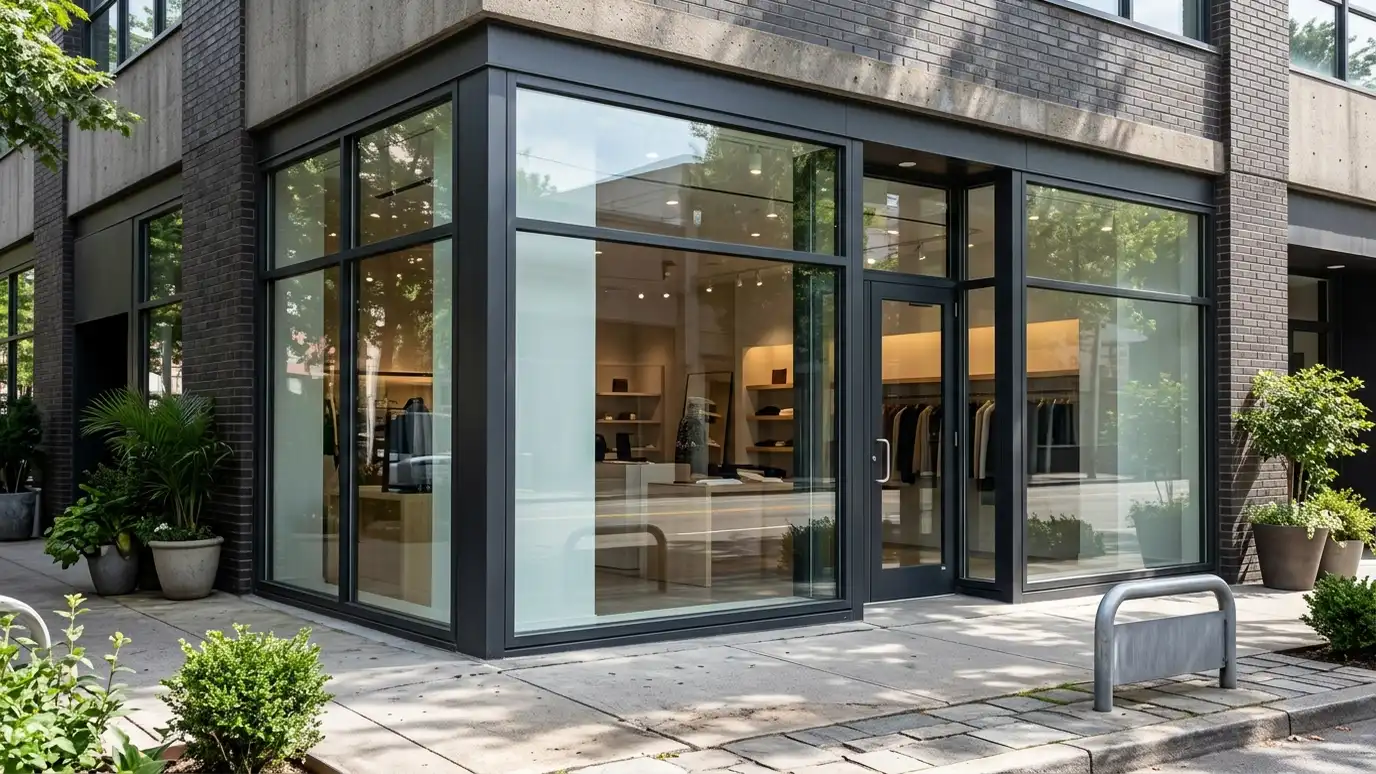
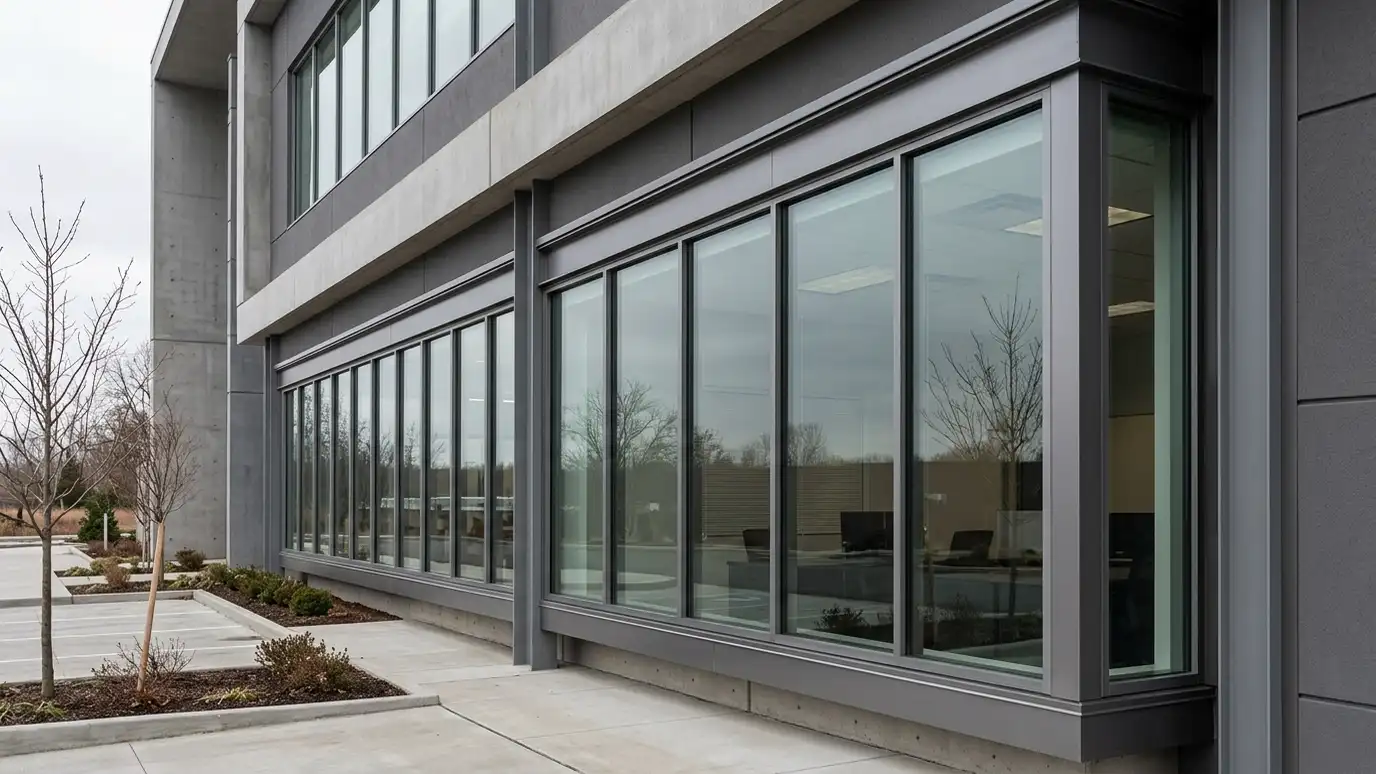
Commercial frames are often aluminum with thermal breaks, fiberglass or vinyl, depending on the building. Glass options include insulated low-E, laminated, tempered and tinted. Local codes may require safety glass in some locations.
Ask about lead times, since commercial glass can take longer.
We help match the glass to the building and use.
Ask whether the frame can accept a different glass thickness before choosing glass. Some commercial frames are designed for a narrow range, and an unsuitable unit can cause problems.
Phase the work
Work in sections so the building stays in use. Evenings and weekends can protect business hours. Occupied buildings need clear notice and safe work areas.
A phased plan also spreads cost across budget periods.
We plan phases with managers and tenants.
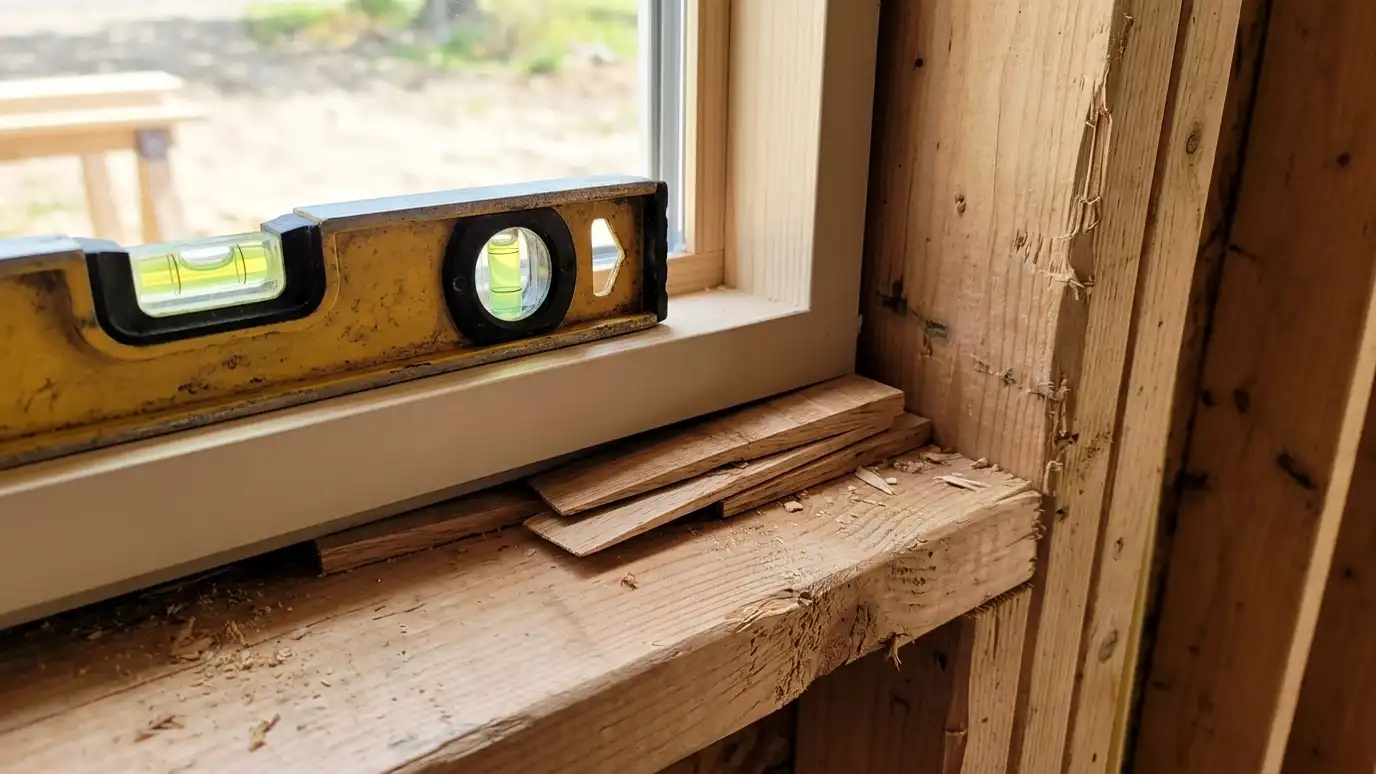
Plan for access: lifts, scaffolding, parking and loading areas affect time and cost. A short site meeting with the crew settles these details early.
Communicate with occupants
Tenants, staff, students and members need notice of dates, access and what to expect. Short written notices work best, with a contact number.
Plan for furniture, files and equipment near windows.
Good communication prevents most complaints.
Provide a single point of contact on your side. Decisions go faster when one person can approve changes, receive notices and answer questions.
Keep records
Record what was installed, where and when, including model details and glass types. Records help with repairs, replacements and insurance questions, and they make future maintenance faster.
A maintenance program uses these records to schedule checks.
We provide a summary of each project.
Keep a shared folder of project documents: scope, schedule, notices, photos and final records. Future managers will thank you.
Inventory the building, state your goals, phase the work and keep records for the next project.