Why there is no single price
Two windows of the same width can cost very different amounts, because the frame, the glass and the installation are different. A basic vinyl insert in a standard size is a short, simple job. A large fiberglass casement with laminated glass, new trim and exterior capping is a much bigger one. Prices you see online are averages across very different projects, which is why they rarely match your own.
The more useful question is what the job really involves. Once a company has measured and looked at your windows, every company can price the same scope, and you can see where the money goes.
Before anyone gives you a number, note how many windows you have, the styles you want, any problems you know about and whether trim will change. Those details lead to a more accurate range.
A useful habit is to write down your own priorities before comparing quotes: whether you care most about quiet, a particular style, low upkeep or the fastest schedule. Priorities make it easier to see which differences in a quote are worth paying for and which are noise.
Frame material
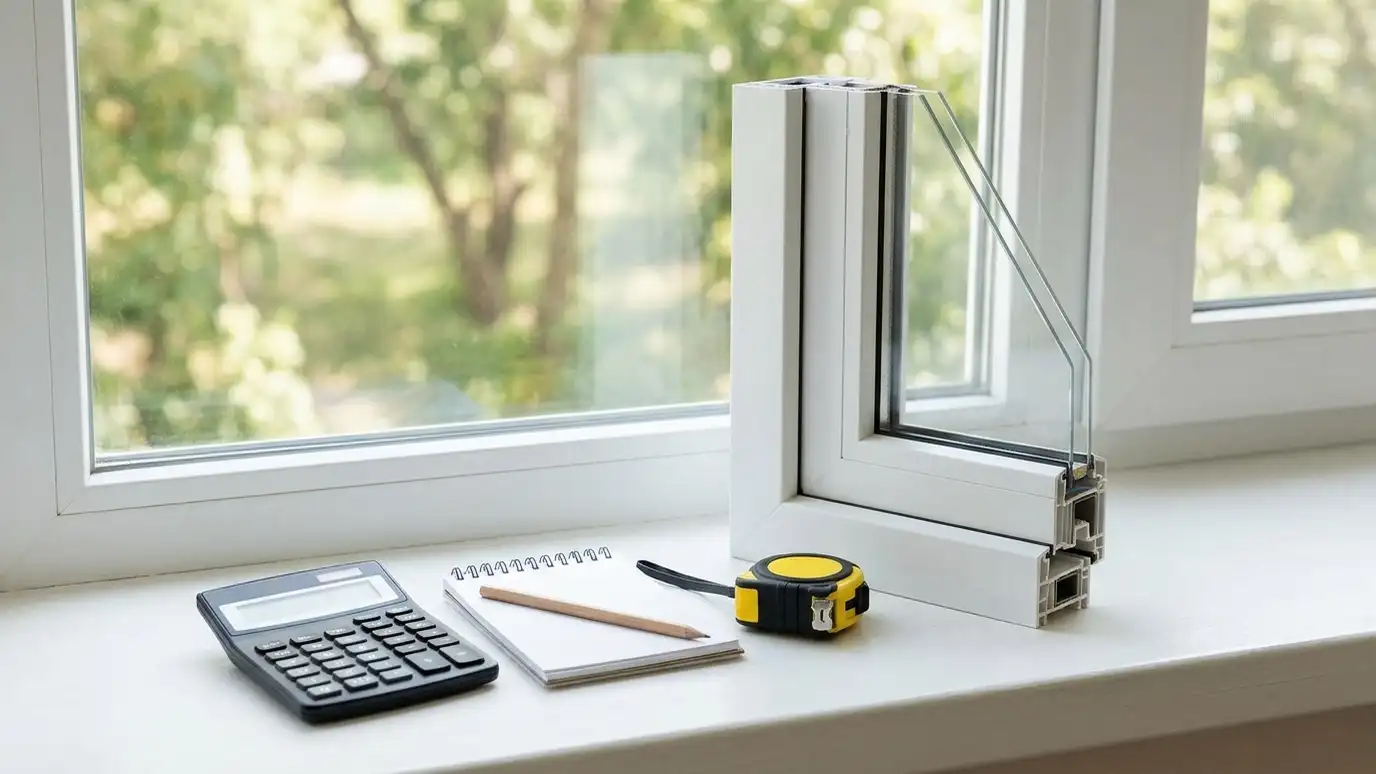
Vinyl is often the most economical frame, fiberglass and composite sit in the middle and wood and clad wood usually sit higher. The material also changes how long the window lasts and how much upkeep it asks for. A frame that suits your home and your habits tends to be the better value over the years.
Within each material, lines differ in wall thickness, hardware and finish, so two vinyl windows are not always equal.
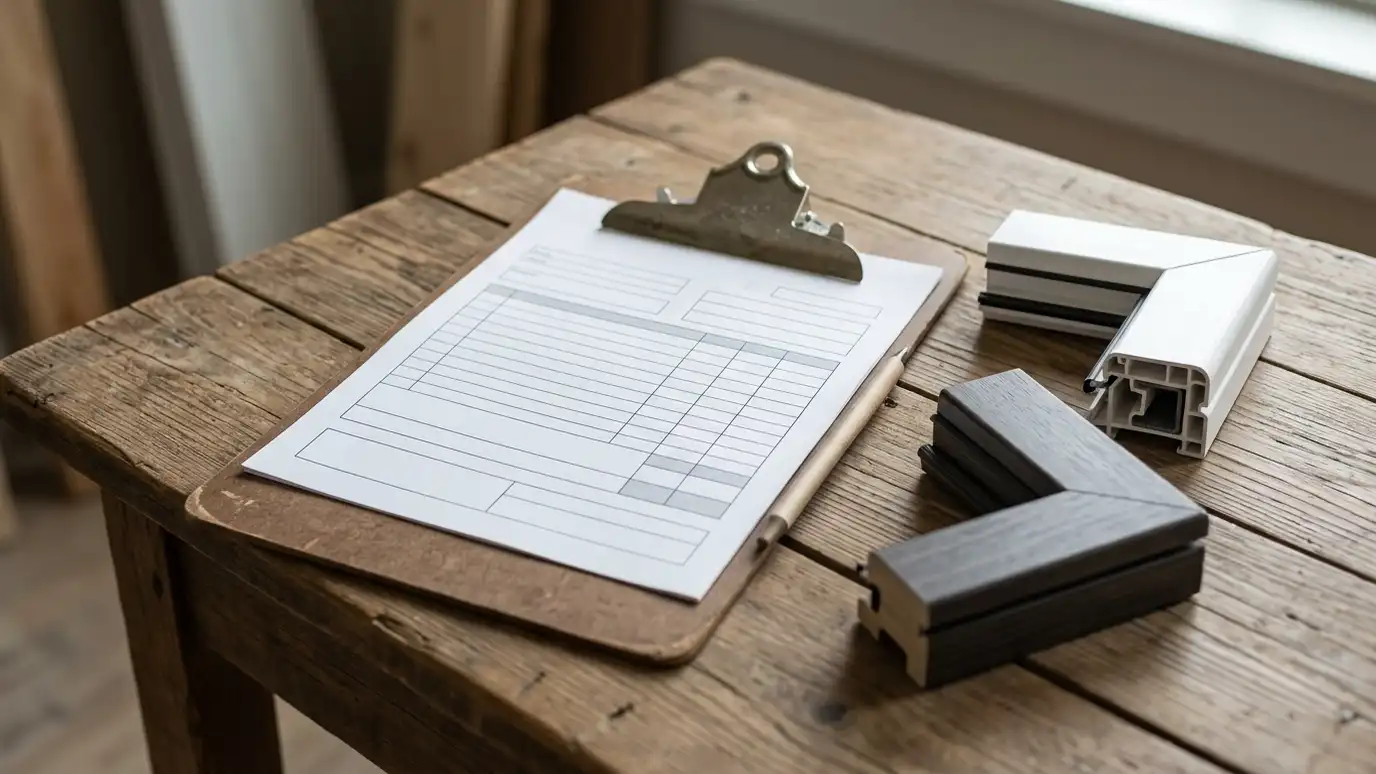
Ask each company to name the exact line and frame in the quote so you can compare like with like.
Frame choice has tradeoffs. A thicker, better-built frame feels more solid and often lasts longer, though it may cost more up front. A company that explains why it recommends a frame for your home gives you something real to compare.
Glass, size and style
Low-E coatings, gas fills, laminated glass and triple panes each add to the price, and large or shaped windows use more material and need more care. Bay and bow windows, specialty shapes and custom sizes add more again.
Glass choices are also where comfort is won. A good package for a sunny west wall may be unnecessary on a shaded north wall, so matching glass to the room can control the total.
Ask for the glass package of every window in writing, since quotes often hide differences there.
Remember that a larger or more detailed window can change the labor too. Heavy glass, tall openings and custom shapes need more hands and more time to set and seal, and a clear estimate shows how the work is divided.
Installation method
An insert fits the existing frame and is usually quicker. A full-frame replacement removes the window to the studs, which allows rot repair, new flashing and trim changes, and takes more time and materials.
The right method depends on the frame condition, not on what costs least. An insert placed in a damaged frame can hide a problem that grows.
Ask the company to explain why it recommends the method it does and what it found when it probed the frames.
A lower-grade installation can cost more later. Skipped flashing or too little foam can lead to leaks and drafts, and repairs cost more than doing it well the first time. Ask what products and steps are included.
Trim, capping and extras
Interior casing, exterior aluminum capping, painting, screens, grids, color and removal of old windows are all separate line items on many quotes. A project with fresh trim throughout costs more than one that keeps what is there.
Access matters as well. Upper floors, tight spaces and landscaping around the house can add time.
Make sure every quote lists what it includes, so you see the real total.
Ask whether interior trim, paint, capping or a repair to the framing is needed. These items are often left out of a first quote and then appear later. A written scope that lists them keeps the total honest.
How to compare quotes fairly
Ask each company for the same details: window line, frame, glass package, installation method, trim, capping, haul-away and schedule. A very low quote may leave out something that matters, such as flashing, foam or cleanup.
Compare the whole plan, not just the number. A clear written scope, careful installation and good communication are worth something.
Clear answers during the estimate are a good sign of how the project will go.
Finally, ask about timing. Special-order windows can take weeks, and a rush can add to the cost. A realistic schedule written into the estimate protects you from surprises and lets you plan around the work.
Get the scope in writing, ask every company to price the same windows, glass and method and weigh each quote against how well it fits your home.