Windows chosen for comfort and efficiency, with low-E glass, gas fill and tight installation explained plainly.
Energy efficiency is a system, not a label. A good window has the right glass, a stable frame, quality seals and a careful installation, and a weakness in any one of them reduces the benefit. In Middle Tennessee, where summers are hot and humid and winters can be sharp, efficient windows can make rooms more comfortable year round. Homeowners in Nashville ask us how to choose, and we explain the numbers without jargon.
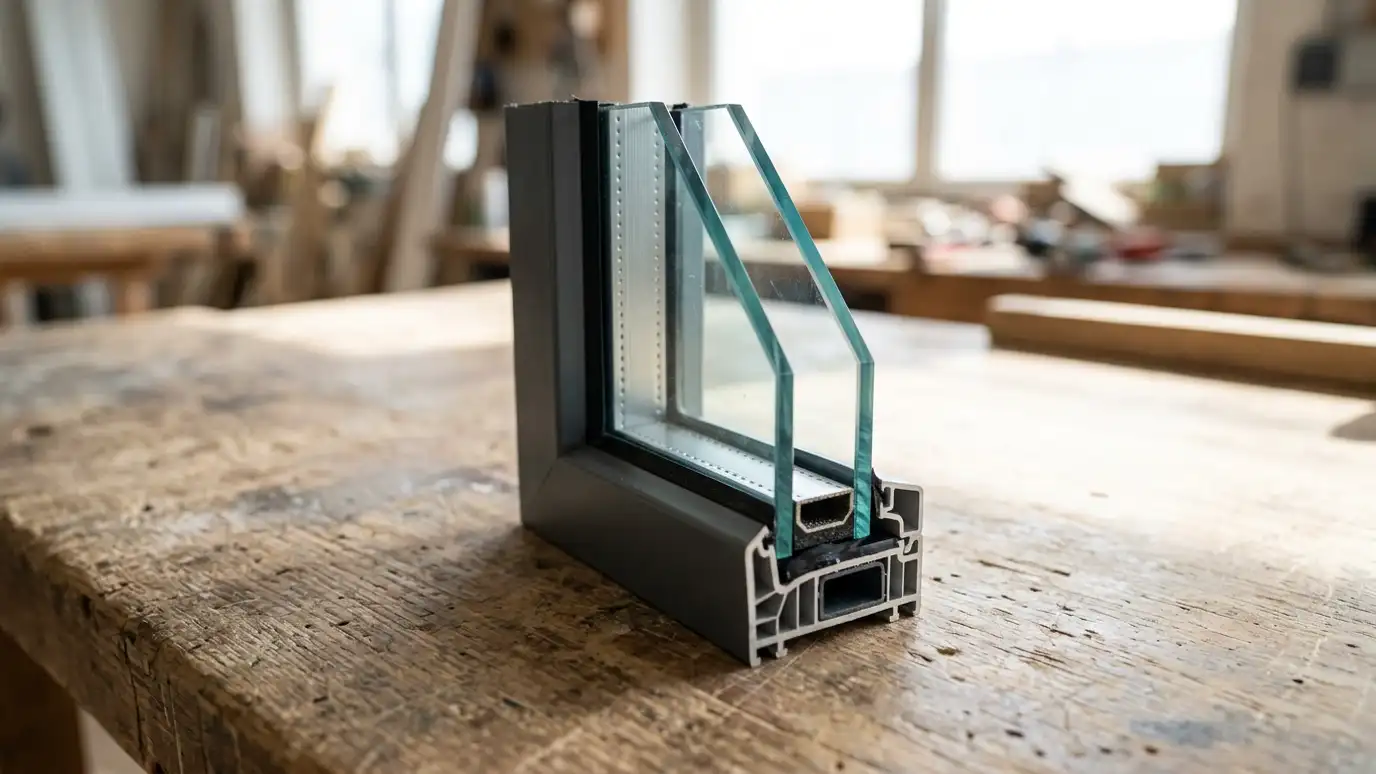
We look at the exposure of each window, since a west-facing living room needs different glass than a north-facing bedroom. We talk about low-E coatings, gas fill, warm-edge spacers and frame types, and we explain the ratings used to compare windows. We show you how the glass package changes cost and comfort, then install the windows with insulation and sealant around the frame so the efficiency is not lost at the edges.
Low-E coatings, gas fill and spacers reduce heat flow and sun heat gain, and the right mix depends on how each window faces.
U-factor and solar heat gain coefficient help compare windows, and we explain which numbers matter in your climate.
A gap around the frame can waste much of a window efficiency, so we insulate and seal every opening.
Warmer glass surfaces, fewer drafts and less glare often matter as much as the energy bill.
Drag the handle to compare.
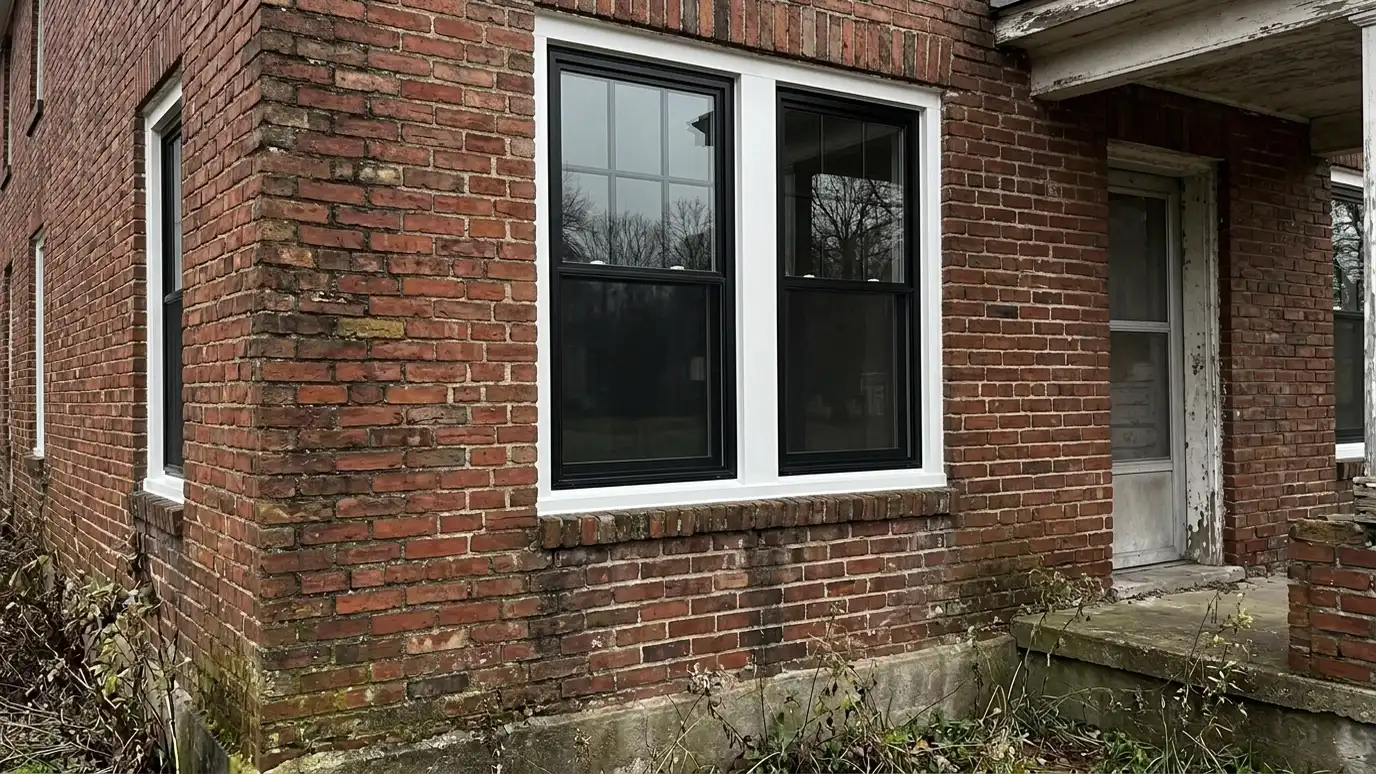
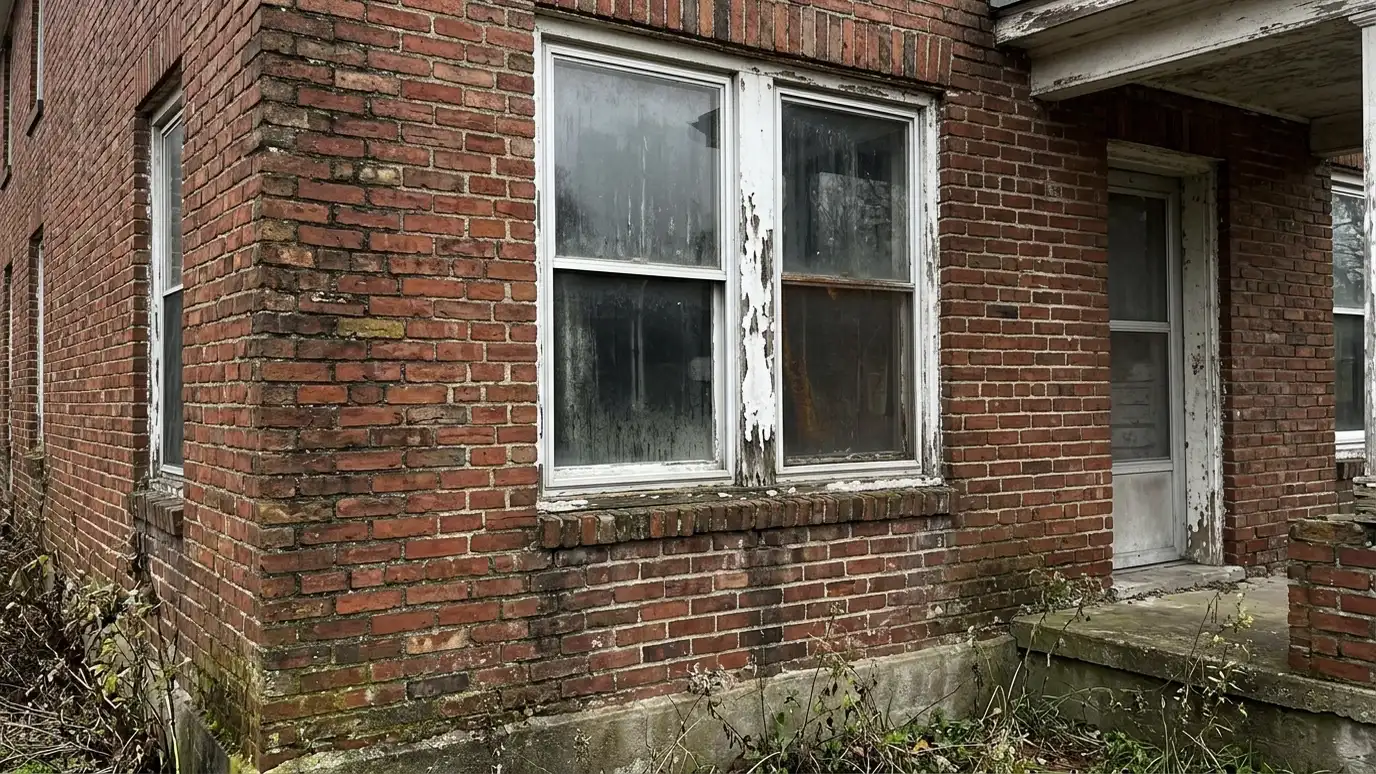 BeforeAfter
Sun and shade considered.
Ratings explained.
Foam and sealant.
Fewer drafts.
Stable and tight.
No inflated claims.
Every topic has its own page with what to expect and how we approach it.
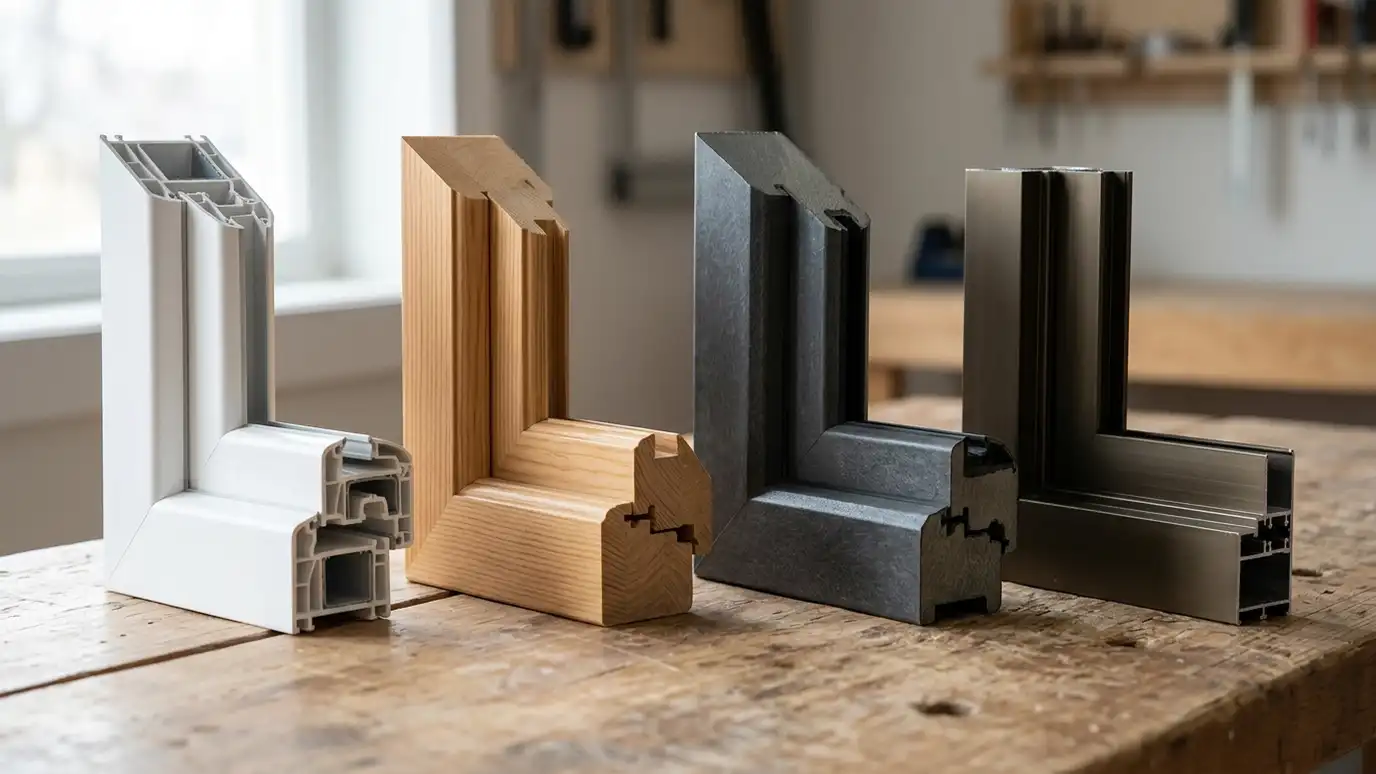 Topic guideWindow Frame MaterialsVinyl, fiberglass, wood, aluminum-clad wood, aluminum and composite frames compared for upkeep, strength, look and how they handle…Learn more
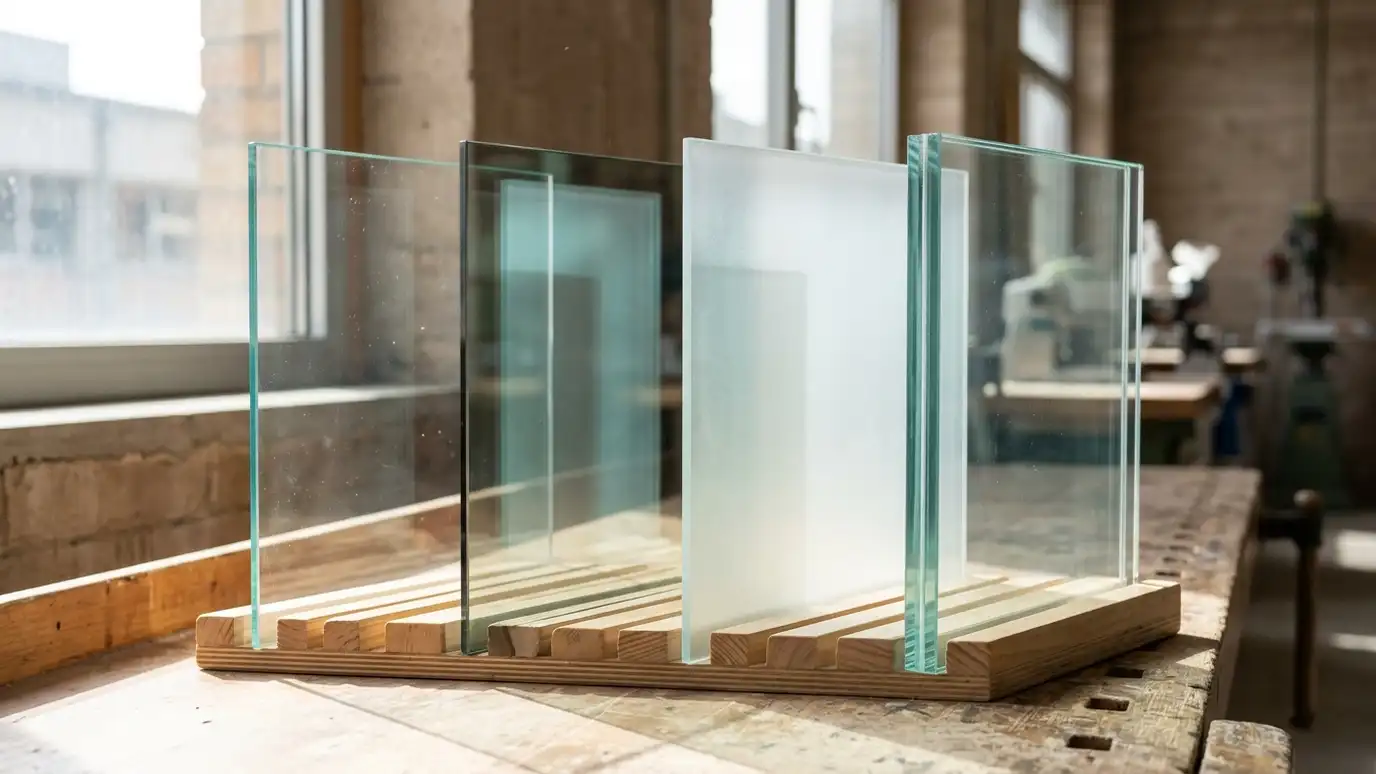 Topic guideWindow Glass and CoatingsDouble-pane, triple-pane, low-E, gas fills, laminated, tinted and obscure glass compared for comfort, noise, safety and privacy.Learn more
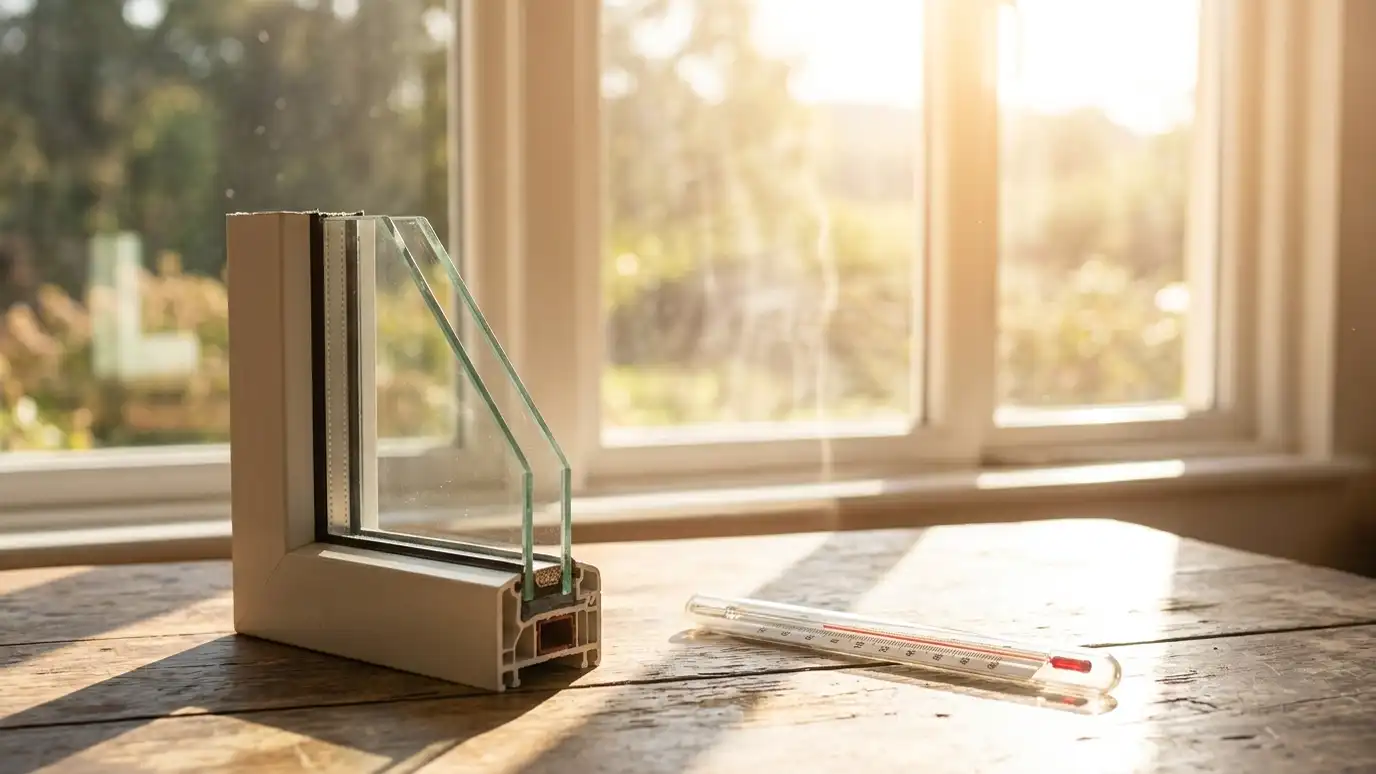 Topic guideWindow Energy RatingsU-factor, solar heat gain, visible transmittance and air leakage explained in plain language, with notes on how to…Learn more
Answer a few questions about your home, rooms, ventilation and view to see which window styles usually fit best.
You tell us what you want or what the windows are doing, and we set an estimate visit that fits your day.
We measure each opening, check the frames, sills and trim for rot and note options for style, glass and installation method.
You get a plain written scope with the window models, glass packages, trim and schedule, and you approve it before anything is ordered.
The windows are ordered or made to your sizes, inspected when they arrive and the work areas are protected.
We remove the old windows, set the new ones plumb and level, flash, insulate, seal and trim each opening.
We clean up, haul away the old windows if you asked, walk you through the finished work and explain how to care for them.
They can, along with better comfort. The result depends on the old windows, the new ones and your home. We give honest expectations.
A thin coating on the glass that reflects heat. See our low-E glass page.
In some rooms, especially noisy or very exposed ones. Double-pane low-E suits many homes.
U-factor measures heat flow through the window. SHGC measures how much sun heat comes through.
Yes. Frame material and design affect heat flow, and installation matters too.
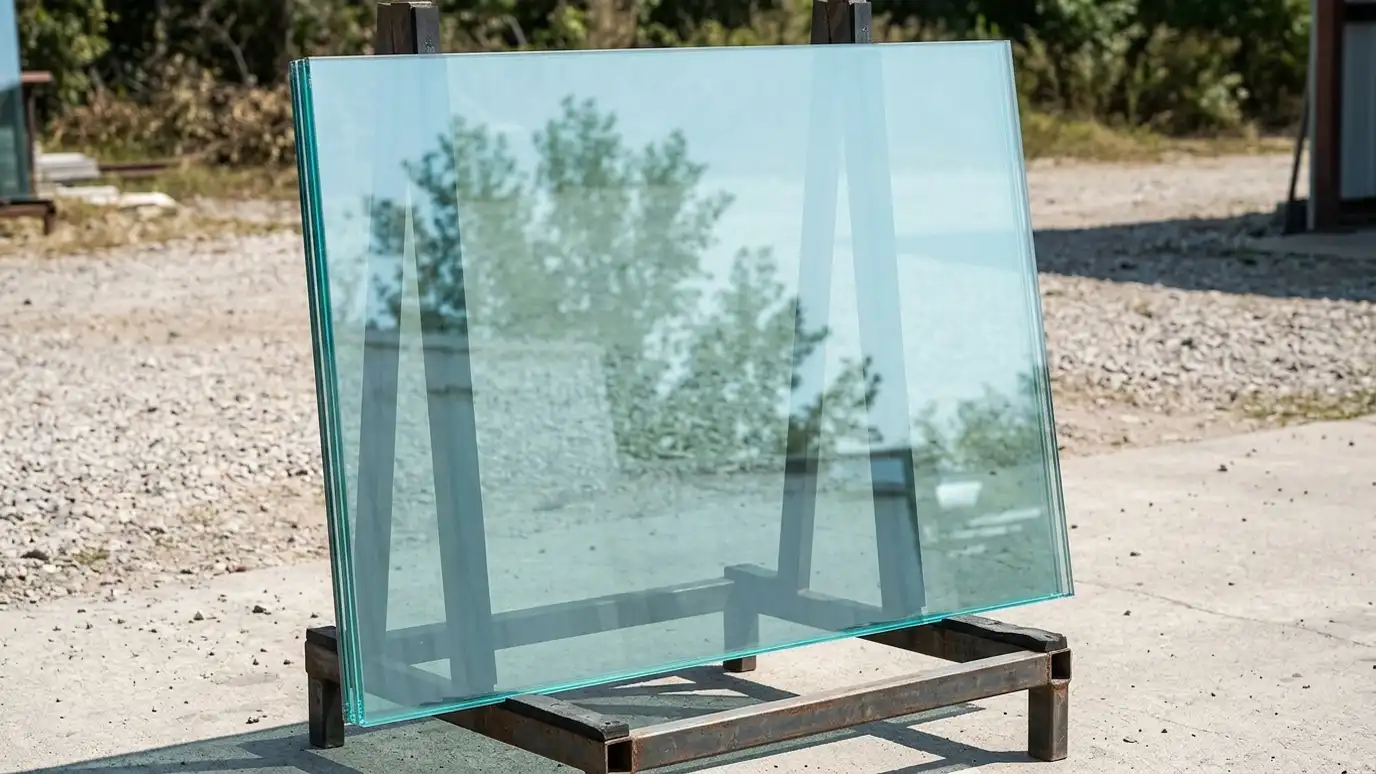 Low-E Glass WindowsGlass with a thin reflective coating that cuts heat gain and loss, with options for sunny and shaded…Explore
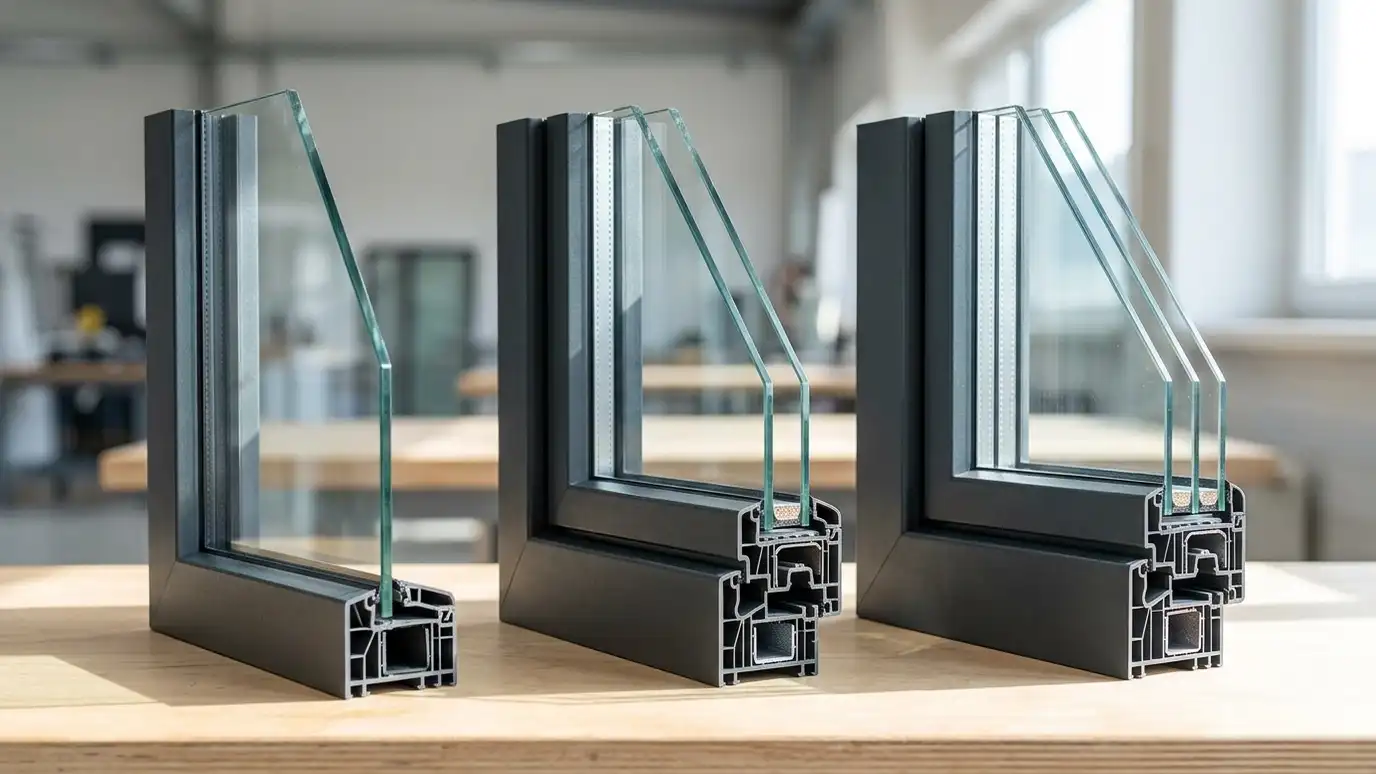 Double- and Triple-Pane WindowsInsulated glass with two or three panes, explained plainly so you can choose what each room really needs.Explore
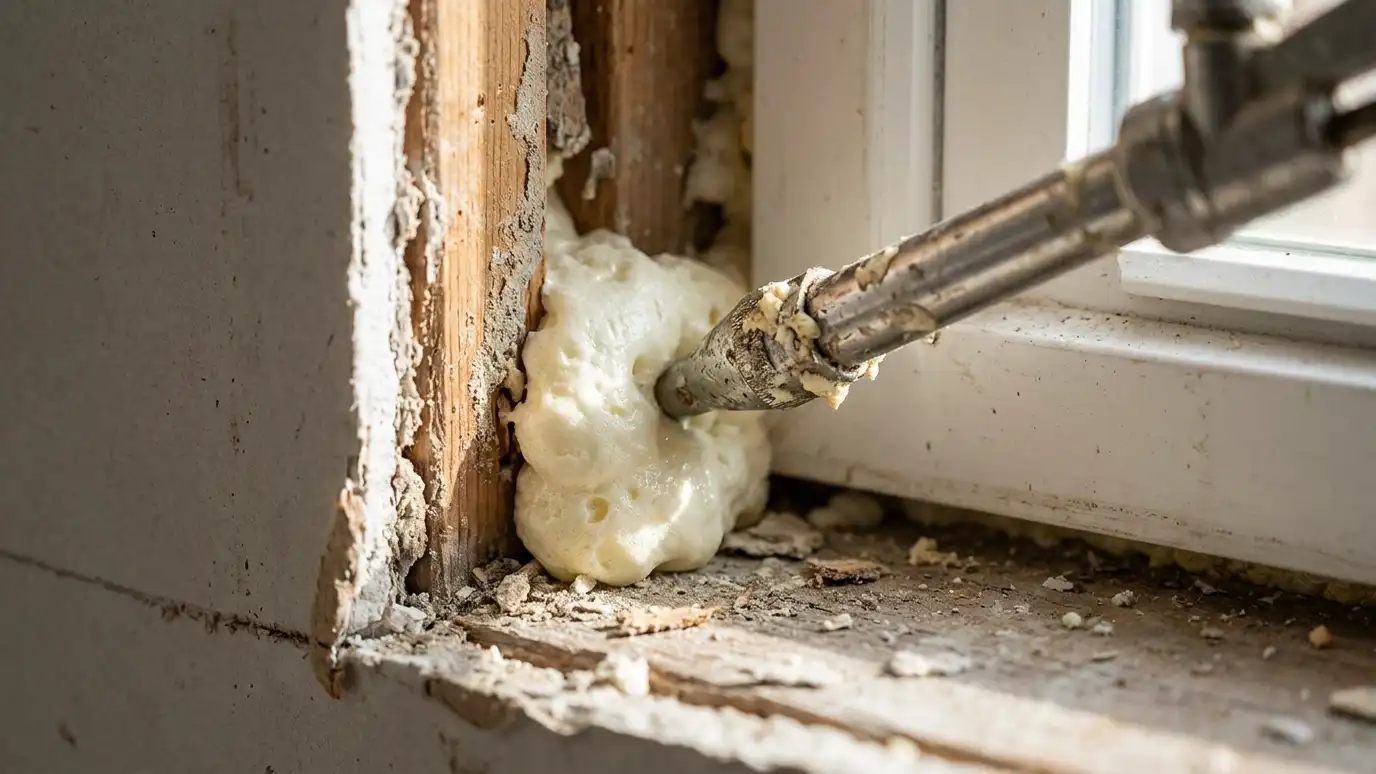 Window Insulation and Air SealingLow-expansion foam and sealant in the gap around the frame, closing a path for drafts and energy loss.Explore
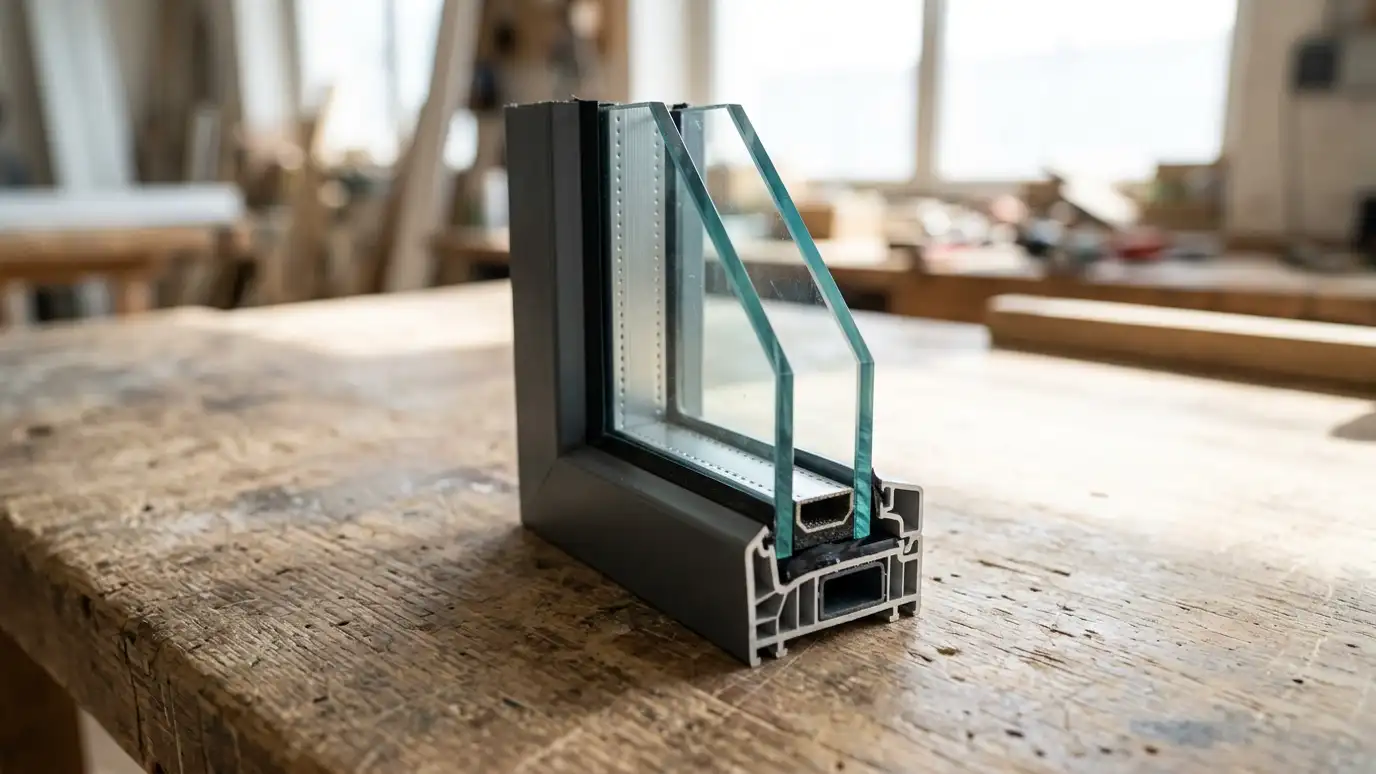 Window Energy AssessmentA room-by-room look at your windows, glass and seals with advice on where upgrades will help comfort the…Explore
Tell us about your project and we will call you back to set up a visit.
Or call (615) 357-7797 to talk now.