
Where noise gets in
Noise comes through the glass, through gaps around the sash and the frame and through the wall. Old, loose windows are often the weakest point, and gaps are especially important because sound travels through any opening.
Before spending on glass, check seals and fit. A tight, well-sealed window can reduce noise noticeably even with ordinary glass.
We start by listening to your room.
Test where noise comes from by closing windows tightly and listening, then opening the window slightly. If the sound changes a lot, the glass and seals are the main path. If not, the walls may also be carrying sound.
Laminated glass
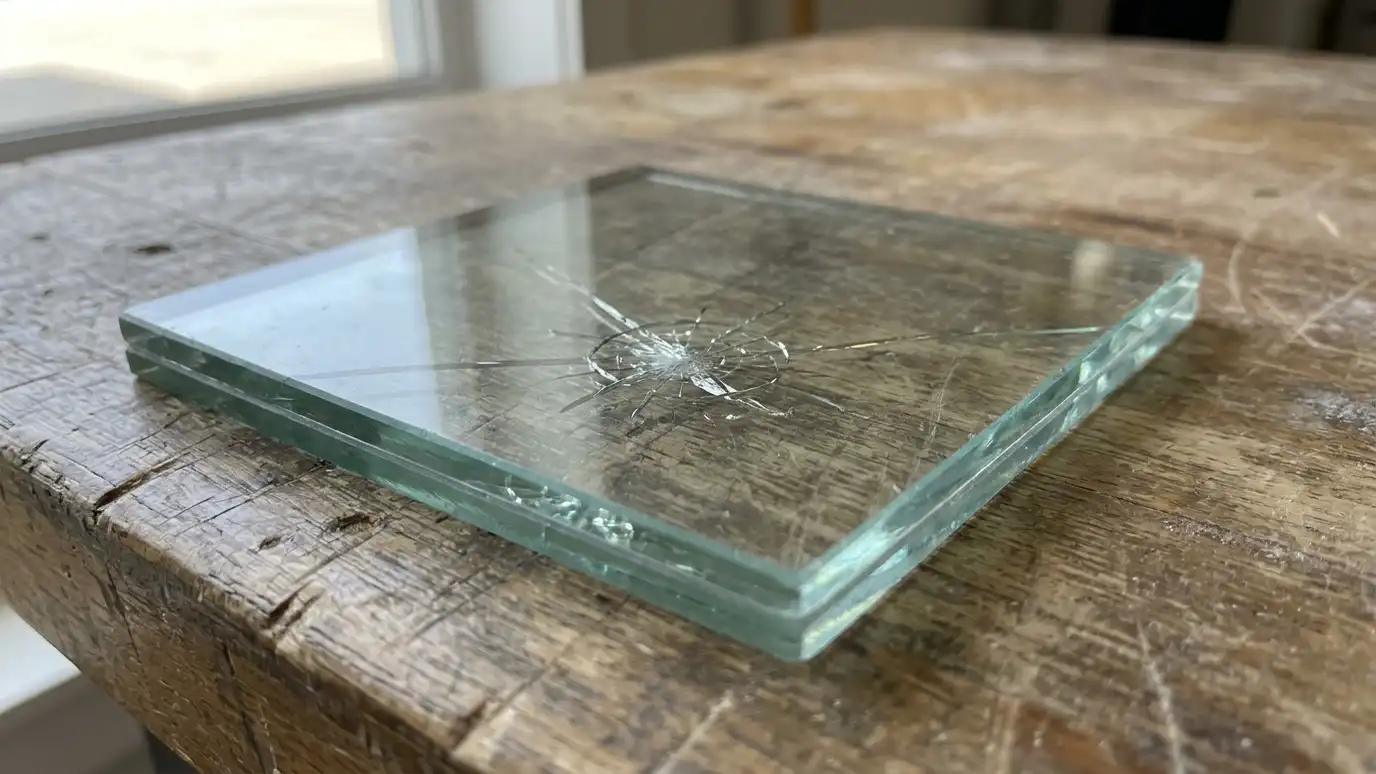
Laminated glass has a clear layer between panes that damps vibration, which helps with traffic hum, voices and other mid-range sounds. Using panes of different thicknesses helps further.
It looks like ordinary glass and also adds safety, since cracks stay together.
It is the most common upgrade for noise.
Ask for laminated glass with different pane thicknesses if noise is a priority. The mix breaks up more frequencies than two equal panes, and the result is noticeably calmer in many rooms.
Seals and installation
Weatherstripping, tight latches and foam around the frame stop sound leaks. A window that does not close firmly will let in noise however good the glass is.
Good installation matters here. Gaps filled with the right foam and sealant make a big difference.
We check every seal during installation.
Use a smooth bead of sealant and a continuous layer of foam. Even a small gap lets sound through, so installation quality matters as much as the glass.
Double and triple panes
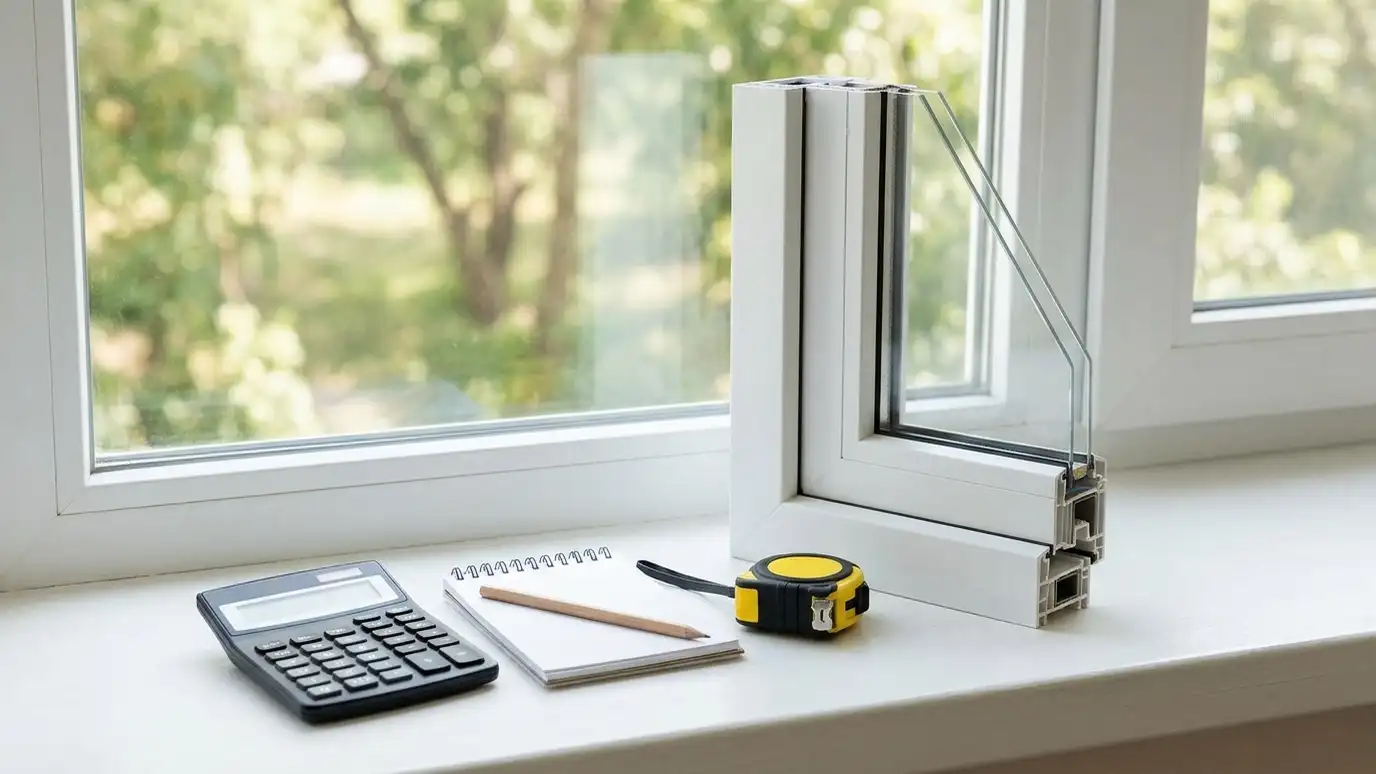
Two panes with a gap between them reduce noise better than one pane. A third pane can help, but the added gain depends on thicknesses and spacing.
Different glass thicknesses in the two panes work better than two equal panes.
We explain the tradeoffs room by room.
If you keep the existing windows, an interior insert should sit several inches from the old glass to be effective. A bigger air gap works better, within the limits of the window depth.
Interior inserts
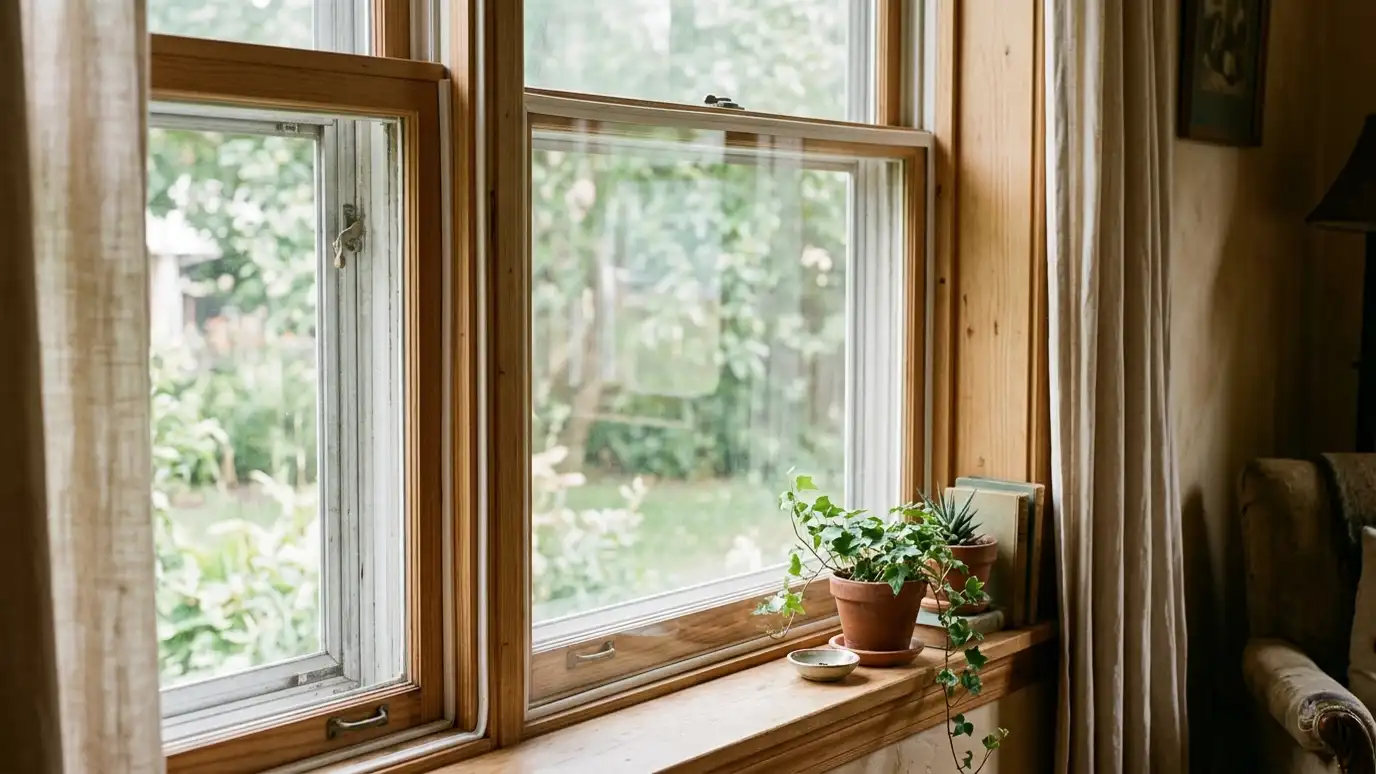
An interior storm window or glass insert, set a few inches from the existing window, adds an air gap and can reduce noise. It is an option for historic windows that you do not want to replace.
Inserts can be removable or fixed, and they also help with drafts.
We offer custom-fit inserts.
Soft furnishings help. Heavy curtains, rugs and bookcases absorb sound in the room, and they work with better windows to make a quieter space.
Expectations
Windows can reduce noise, but not eliminate it. Low-frequency sound, such as a passing truck, is harder to block, and walls and roofs also matter.
Be wary of exact promises about noise reduction. Ask for samples and listen where you can.
We are honest about what is realistic.
If you can, listen to a sample or visit a home with similar windows. Hearing the difference beats reading specifications.
Fix leaks first, add laminated glass where noise is worst and consider an interior insert for windows you keep.