Spring checks
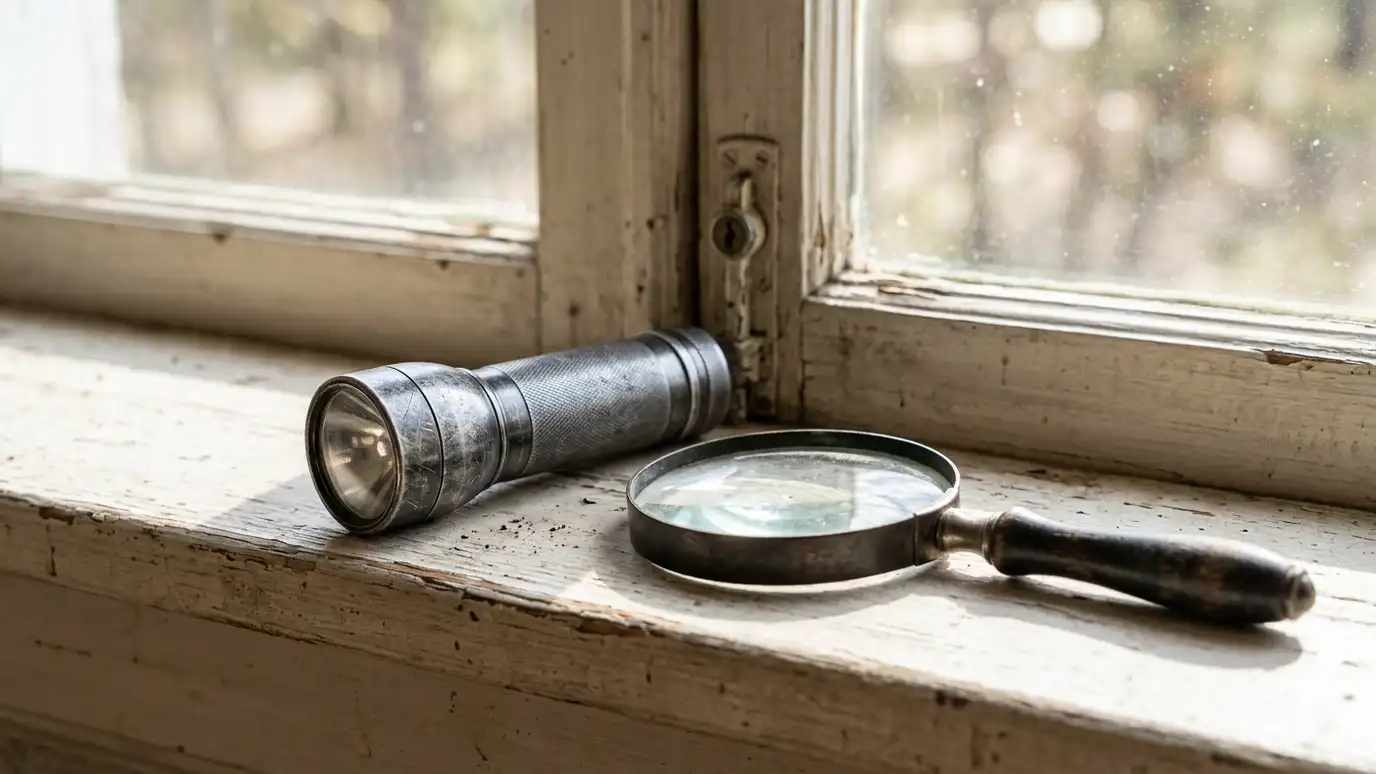
After winter, look at each window from inside and outside. Check caulk joints for cracks or gaps, look for stains on the sill or trim and open and close each sash. Clean the glass, frames and screens.
Remove old screens, wash them with mild soap and a soft brush and check for tears. Replace any that are damaged before bugs arrive.
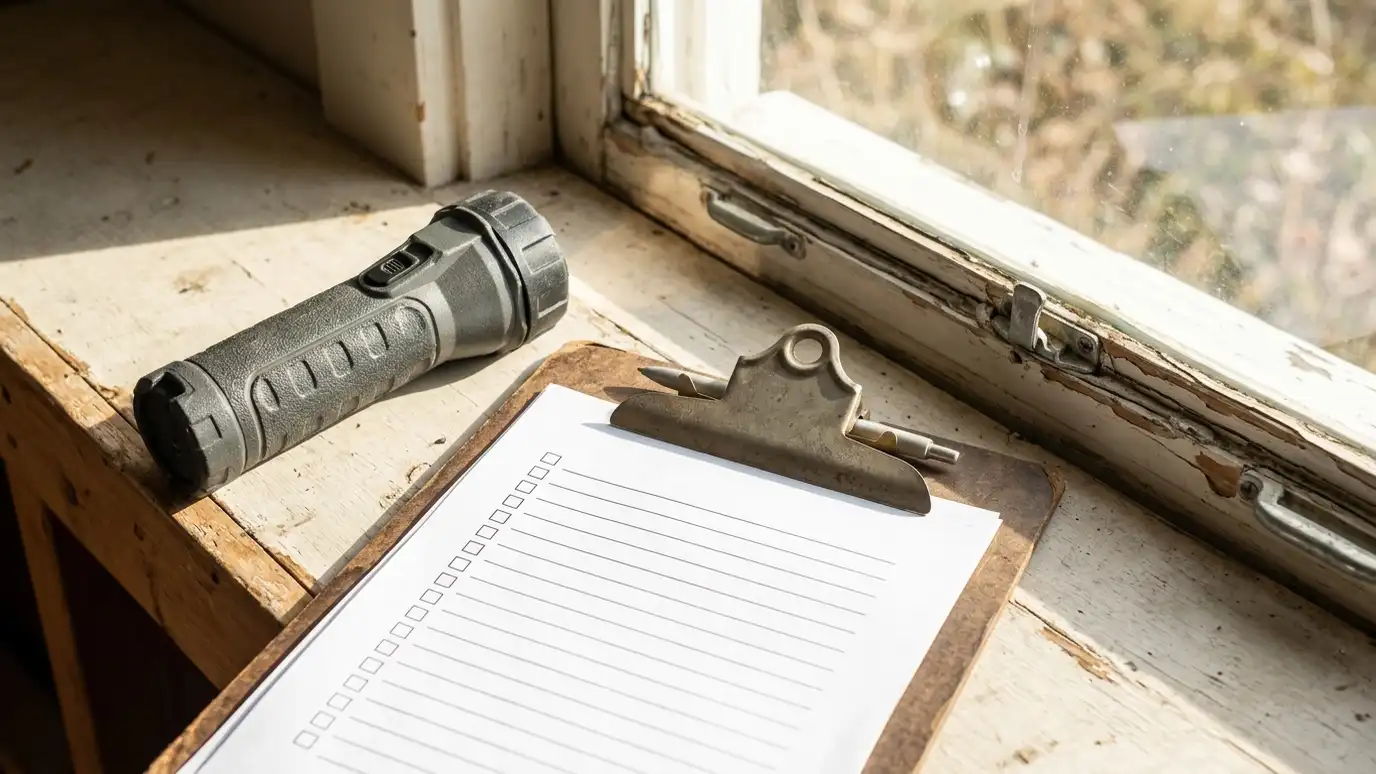
Make a short list of anything you want us to look at.
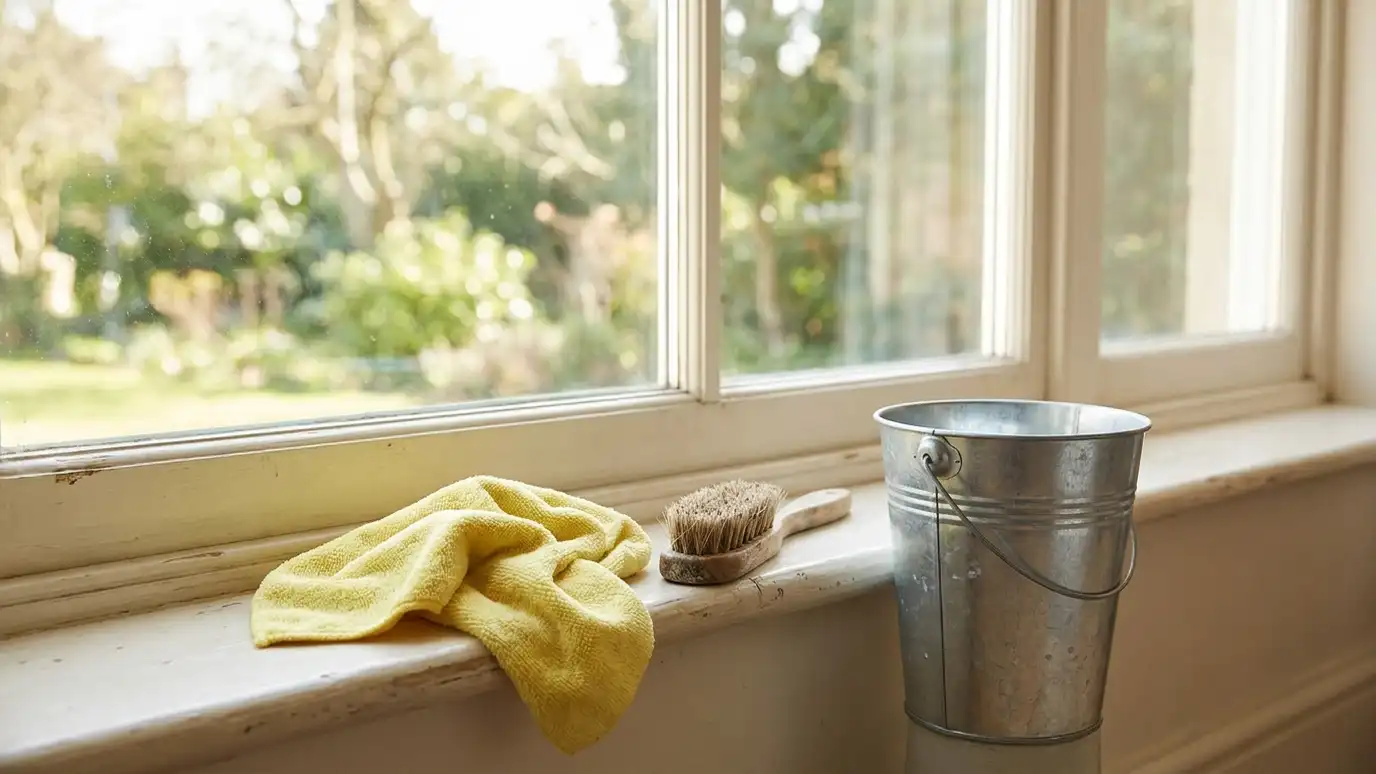
Keep a small kit near the windows: a soft brush, a cloth, a spray bottle with mild soap, a vacuum nozzle and a tube of window caulk. Having the tools handy makes the checks quick.
Tracks and weep holes
Dirt in tracks makes windows hard to slide, and clogged weep holes keep water from draining. Vacuum the tracks, wipe them clean and use a small stiff brush for corners.
Pour a little water in the track to see whether it drains. If it does not, gently clear the weep hole with a soft tool.
Never force a tool into the glass seal or the frame.
Do not use a pressure washer on windows. It can force water past seals and damage screens and frames. A garden hose, a soft brush and mild soap are enough.
Seals and caulk
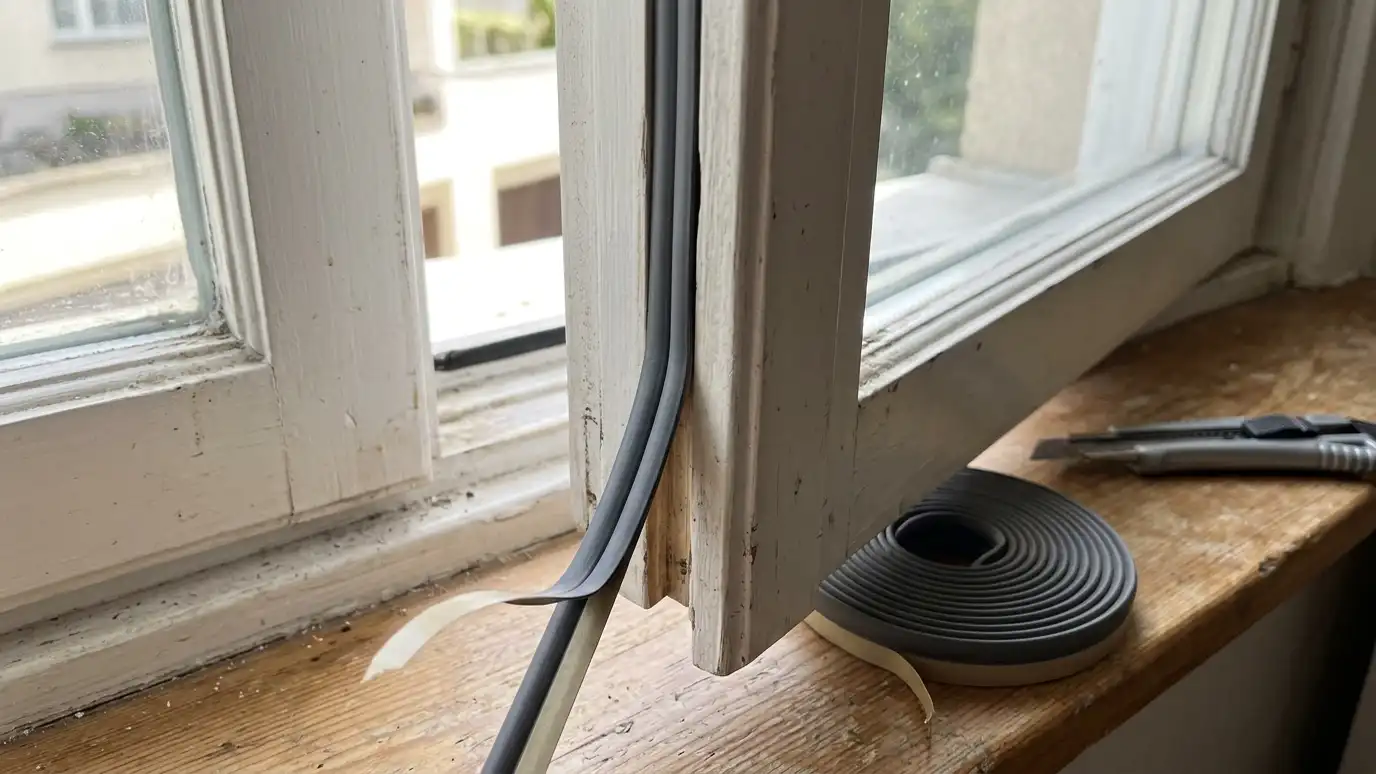
Cracked caulk lets water and air in. Peel back old caulk, clean the joint, let it dry and apply fresh sealant made for windows. Check weatherstripping on sash and frame, and replace it if it is flattened or torn.
Cloudy glass between panes means the seal has failed.
Fix small gaps early, because water damage grows.
Take a photo of any caulk crack or stain each season. Comparing photos over time shows whether a problem is growing, and it helps us understand what you saw.
Hardware and moving parts
Lubricate hinges, cranks and tracks with a product suited to windows, and wipe off any excess. Check that locks pull the sash tight and that balances hold the sash up.
A crank that is hard to turn or a window that drops on its own is asking for service.
Do not use heavy oil, which collects dust.
Lubricants should be made for windows and used sparingly. A thin film on hinges and tracks is enough, and extra product attracts dust and grit that make windows harder to move.
Fall checks
Before cold weather, close and lock each window, look for drafts with a hand or a small flame-free draft indicator and add weatherstripping where needed. Remove window air conditioners or seal around them.
Clear leaves and debris from around exterior sills.
Look at the attic and basement windows too.
Check windows in rooms you rarely use. Spare bedrooms and basements can hold leaks and rot unnoticed for years, and a quick look each fall catches them.
When to call a professional
Call us for fog between panes, soft wood, stains that return, drafts that do not stop with new weatherstripping, windows that will not open or close and any broken glass.
A short inspection can catch problems while they are small.
Ask about a care plan if you would like regular visits.
A written note with the date of each check turns into a useful history. If you sell the house or file a claim, that record shows careful ownership.
A few minutes each season with a brush, a cloth and fresh sealant saves most windows from bigger problems.