Start with how they measure
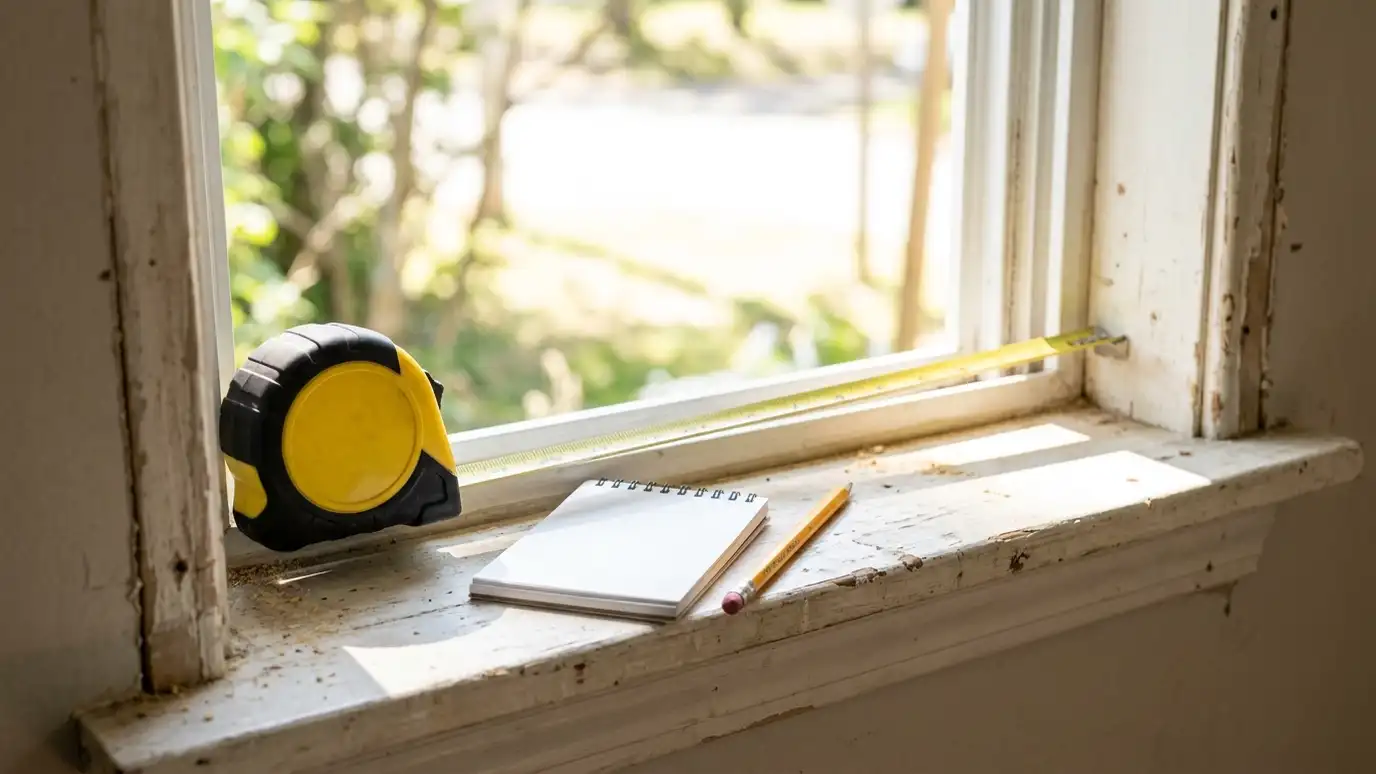
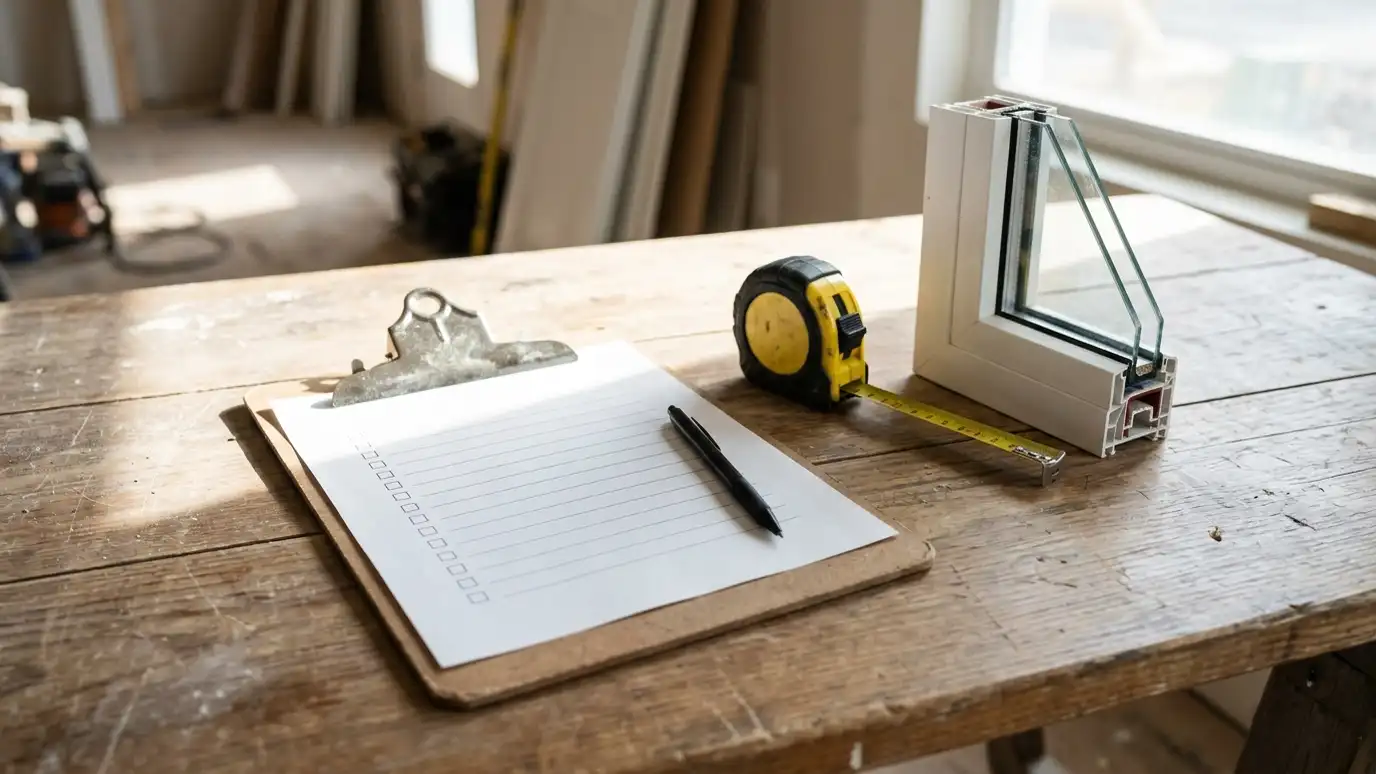
A company that measures every opening itself, and writes the numbers down, is taking the most important step seriously. Be wary of anyone who orders windows from rough numbers or from the sizes of the old windows.
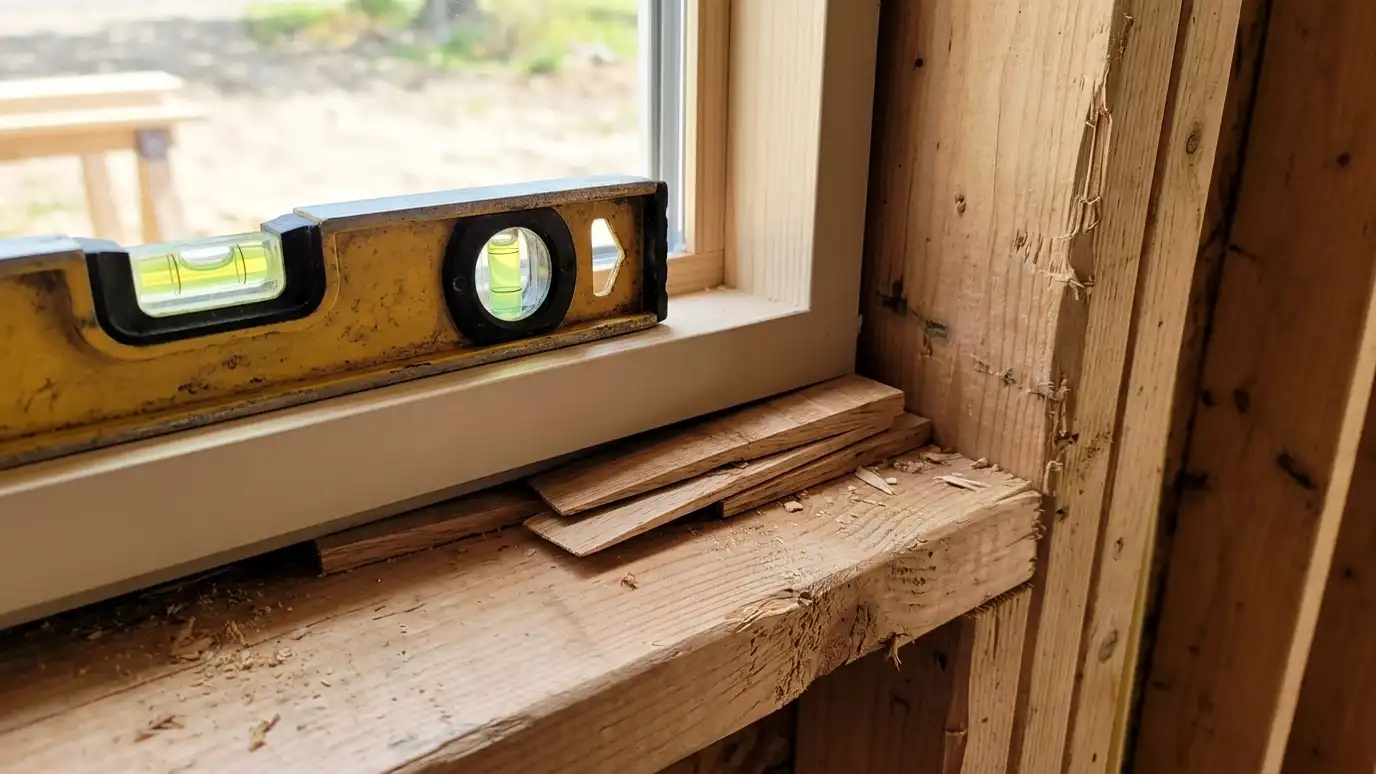
Ask whether they probe frames and sills for rot before recommending a method. A thorough company explains what it found and why it suggests an insert or a full-frame replacement.
Good answers here usually predict a good installation.
It is worth asking how many windows the crew installs in a typical day and how they plan the sequence in your house. A company that has a clear answer has done it many times and has thought about disruption.
Read the proposal
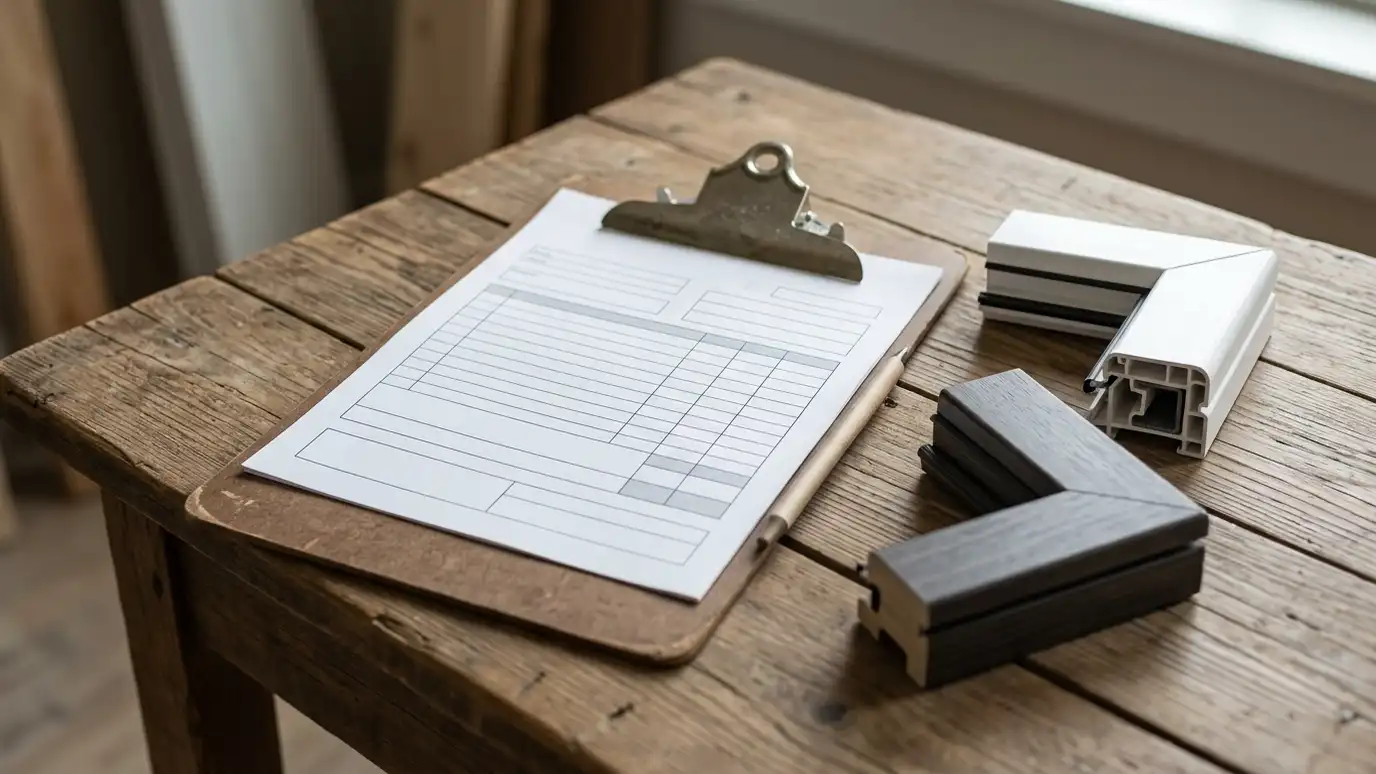
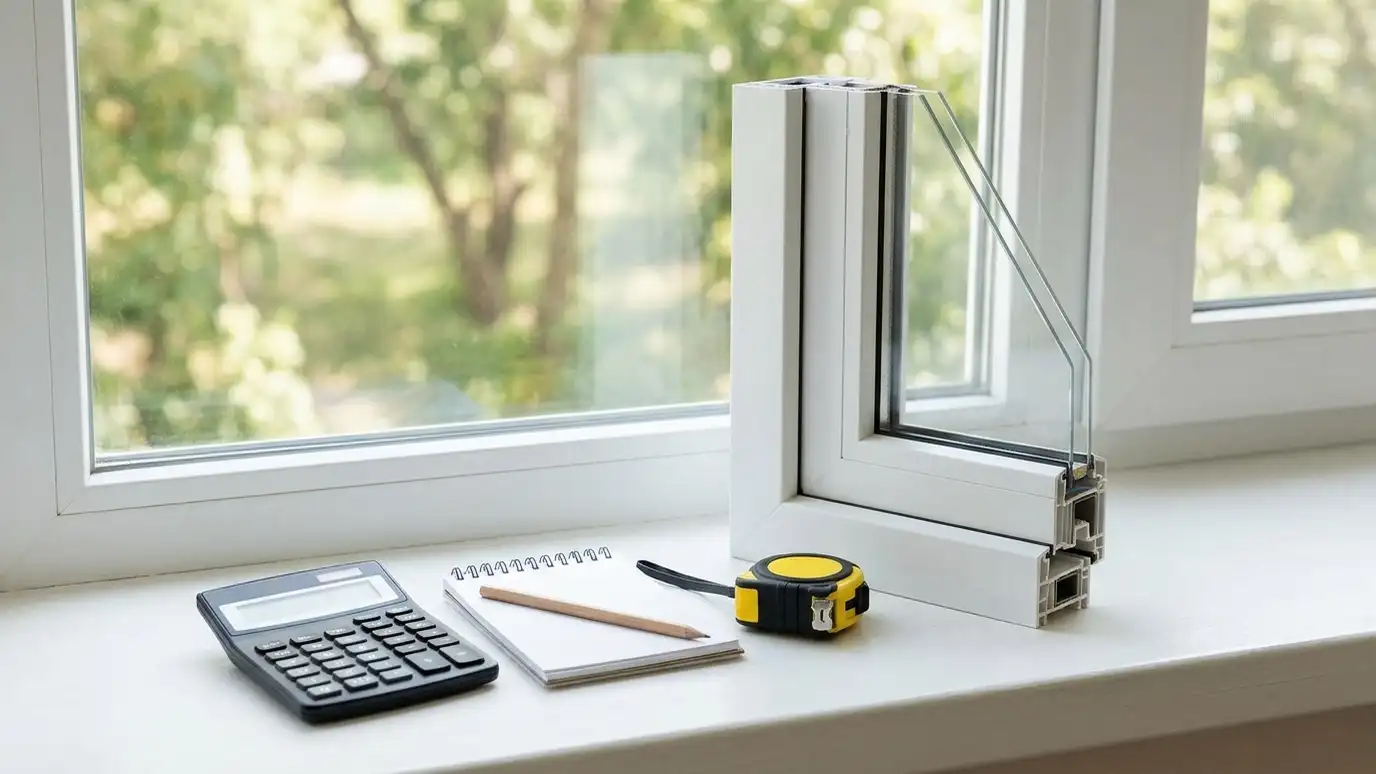
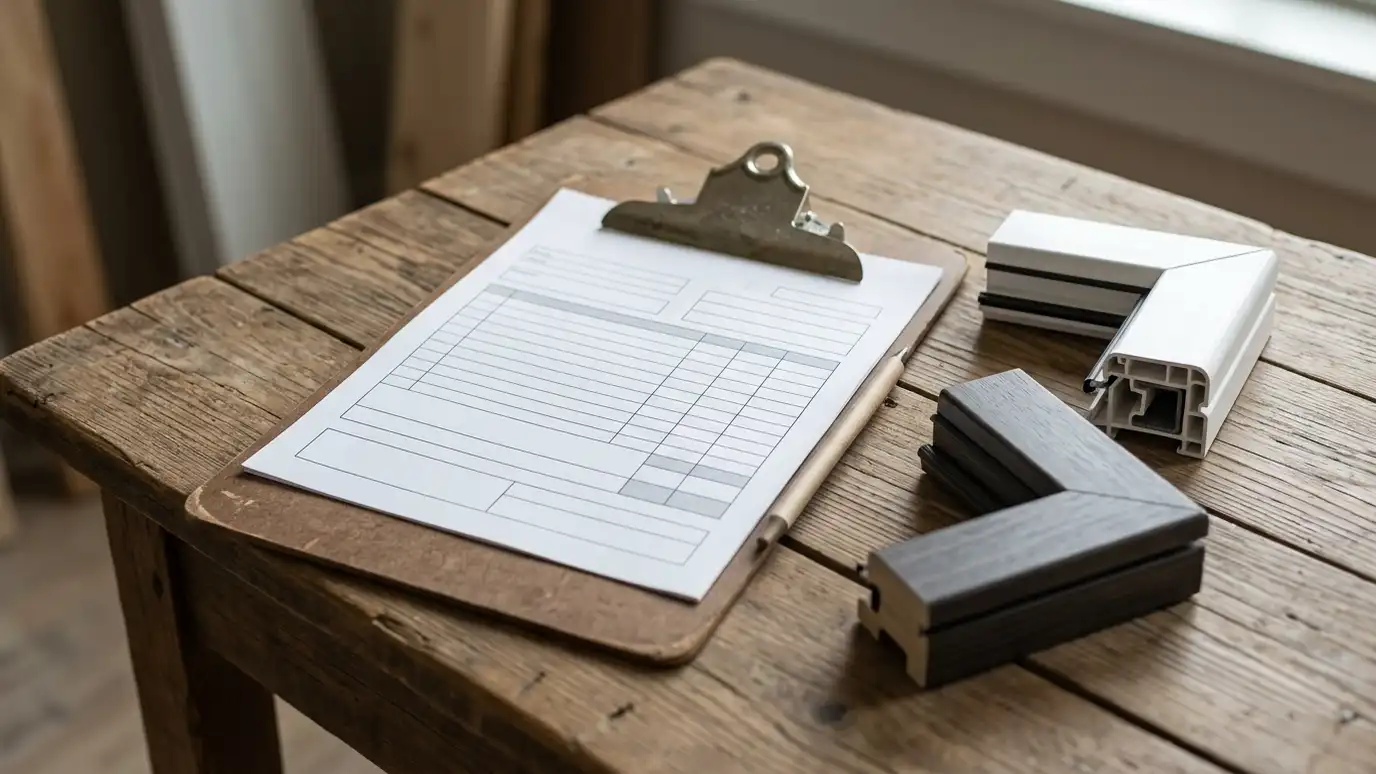
A solid proposal names the window line, the frame, the glass package, the style of each window, the installation method, the trim and exterior work, the schedule and what happens to the old windows. Vague lines such as "new windows throughout" make comparison hard.
Compare proposals side by side and ask each company to fill in anything missing.
A clear scope is the best protection against surprises.
Keep a simple comparison sheet with one row for each company and columns for the line, glass, method, trim, schedule and the written coverage that comes with the work. Gaps stand out quickly when everything is on one page.
Ask about people and process
Who will do the installation: the company crew or hired subcontractors? How do they protect your home? What is the plan for dust, weather and cleanup? How do they handle surprises such as rot found behind a window?
Ask for local references or examples of similar homes, and ask how the company handles a problem after the job.
Honest, specific answers matter more than polished ones.
References and examples help, but so does a conversation about what happens when something is wrong. Ask for a specific story about a problem the company solved, and listen to how they describe it.
Check credentials and coverage
Ask to see local business credentials and proof of liability coverage, and ask what written coverage comes with the product and with the installation. Read what each document covers and for how long.
Ask who to call if something goes wrong and how quickly you can expect an answer.
Keep copies of everything with your records.
Ask how long a company has served the area and whether it will be around next year. A local office, a real phone number and a record of past work are good signs.
Be careful with pressure
A company that insists you sign today, offers a deal that disappears at the end of the visit or will not leave a written proposal is giving you a reason to slow down. Good companies are glad to let you think.
Be equally cautious about deposits that seem large or payment schedules that are not tied to progress.
Take your time, compare and ask questions.
If you feel rushed, slow down. Ask to take the proposal home, read it twice and call with questions. A good company will be glad to talk again.
Trust your impressions
Notice whether the company arrives on time, listens to your concerns, answers directly and explains in plain language. These habits tend to show up again during the project.
An independent company that works with many brands can recommend what suits your home instead of what it must sell.
Choose the company you would be comfortable calling in a year.
Finally, pay attention to how the company handles small things: returning a call, sending a proposal on time and arriving when promised. Those habits often reflect how the project will go.
Choose the company that measures carefully, writes a clear scope, answers questions plainly and lets you take your time.