Windows and comfort
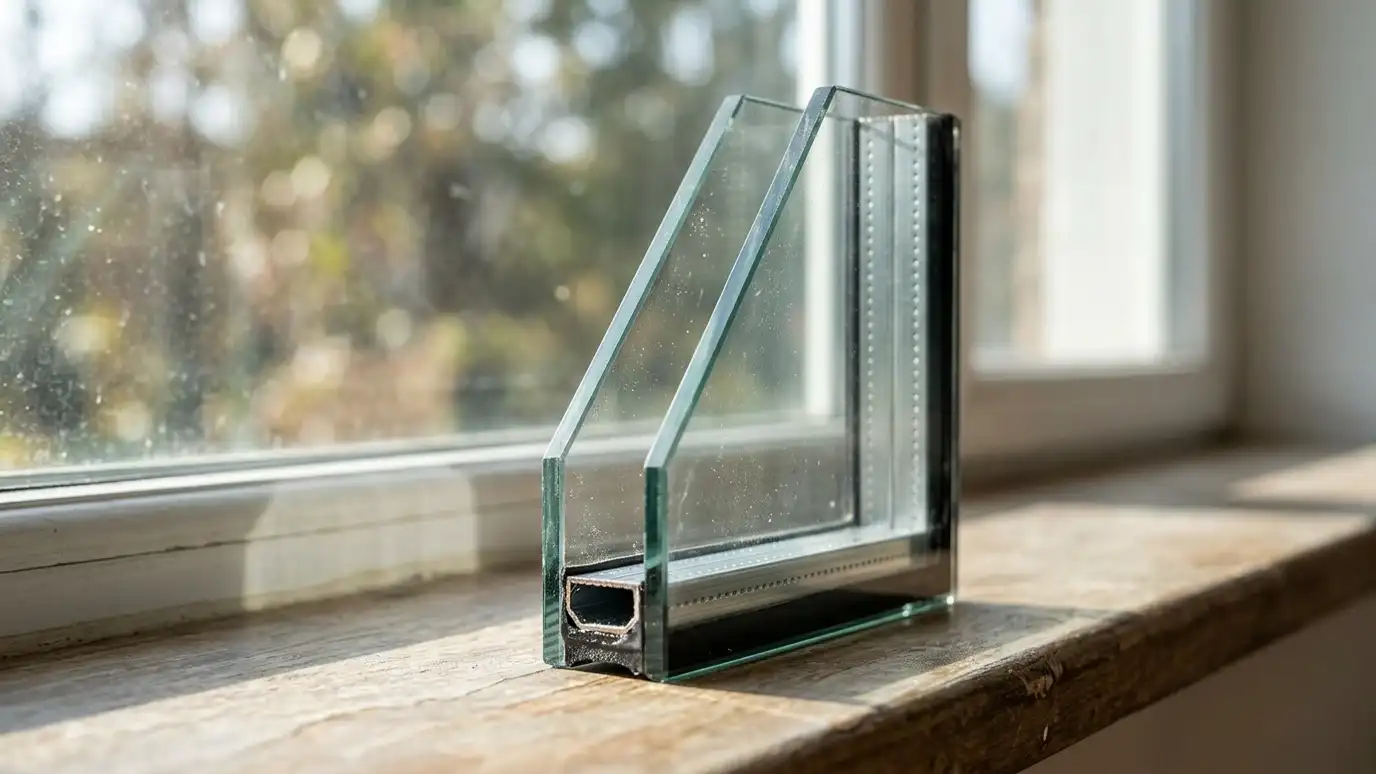
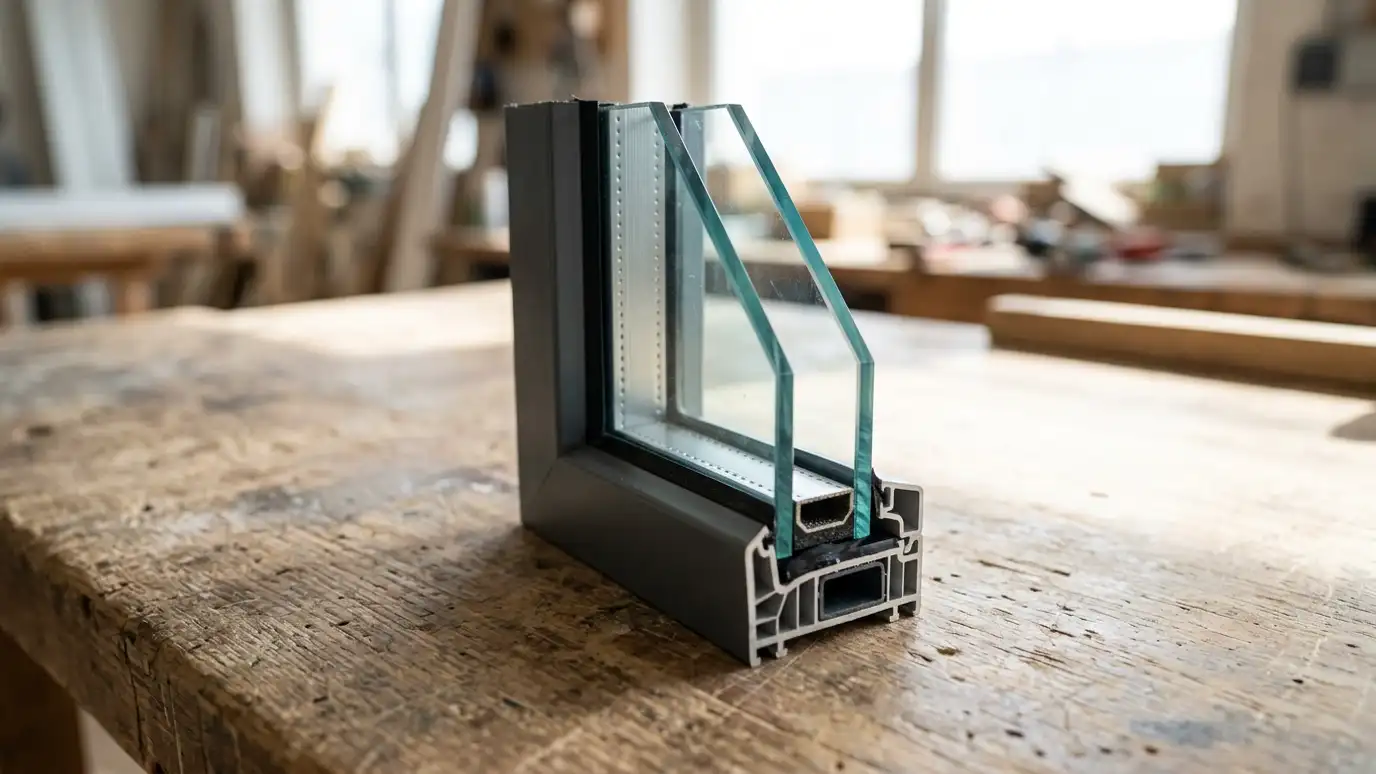
Windows are a weak point in the building envelope. Heat moves through the glass and frame, sunlight adds heat in summer and air leaks around the sash and frame. Cold glass in winter and hot glass in summer both change how a room feels.
Better windows can improve comfort near the glass, reduce drafts and cut glare, and they may help with energy use. They are one part of a whole-house picture that includes insulation and air sealing.
Set realistic expectations from the start.
Start with a simple look at where air leaks. A hand held near sash edges on a windy day reveals a lot, and a smoke pencil or a thin strip of tissue shows drafts clearly. Note which windows leak most.
Our climate
Middle Tennessee has hot, humid summers and cool winters, with plenty of sun. That calls for windows that manage both heat gain and heat loss. Solar heat gain matters on west and south walls, and U-factor matters across the whole house.
A glass package suited to a shaded porch may not suit a sunny kitchen. Choose by exposure instead of by one rule for the house.
We look at each wall when we advise.
Consider orientation when you plan. The sun path changes by season, so a window that is harsh in July can be welcome in January. Awnings and trees can shade summer sun while letting winter sun in.
What to look at on the label
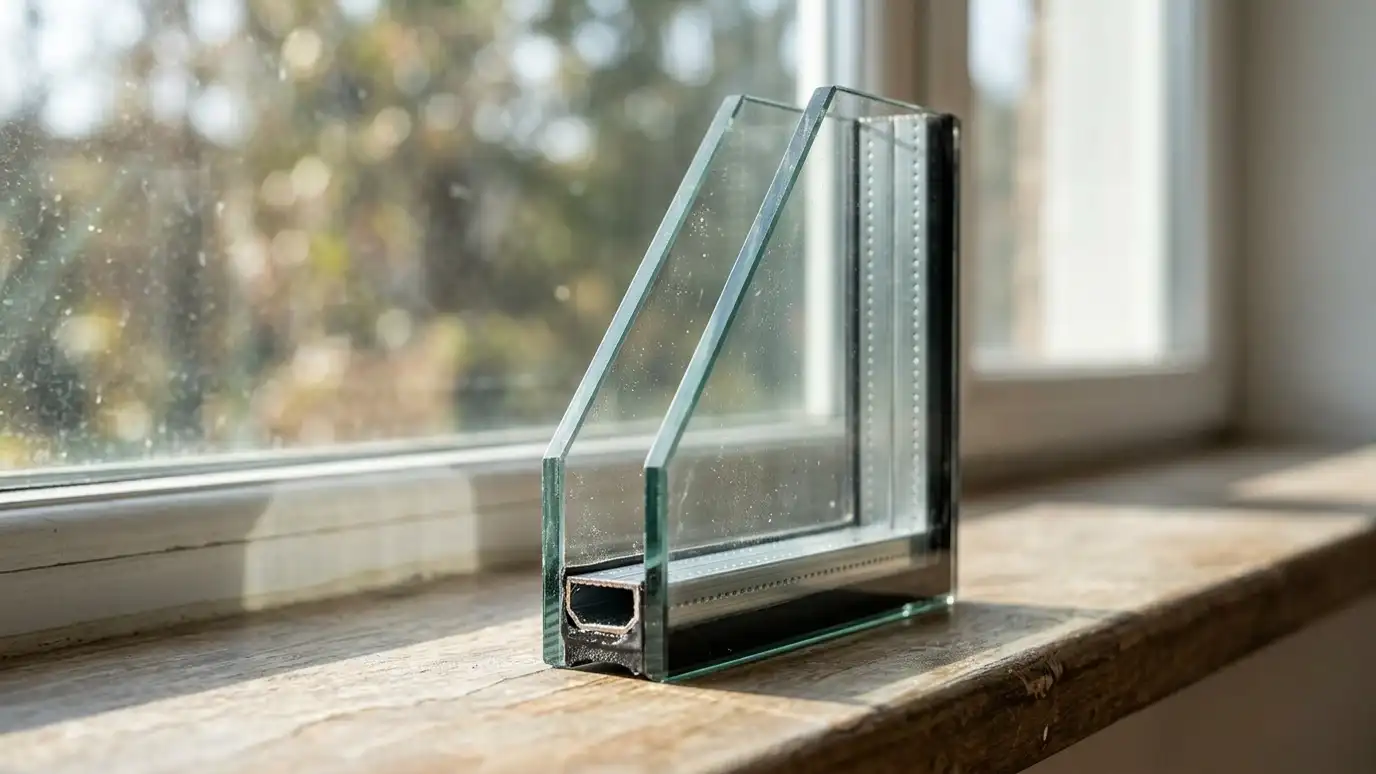
U-factor measures heat flow, and a lower number is better. Solar heat gain coefficient shows how much sun heat passes through, and a lower number blocks more. Air leakage shows how tight the window is.
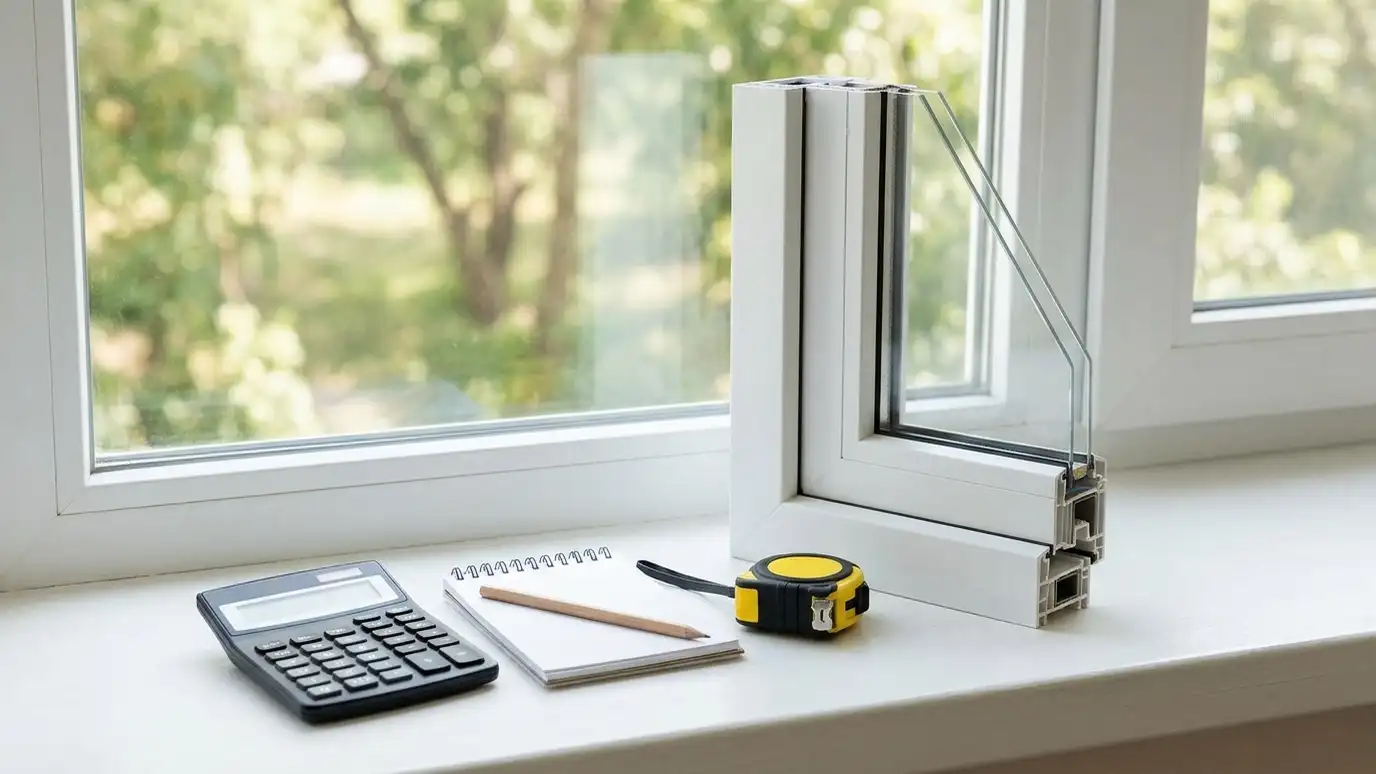
Compare windows with the same style and size, since ratings vary by type.
Remember that installation matters: a well-rated window installed poorly leaks.
Pay attention to the whole label, not only one number. A window with a low U-factor but a very high solar heat gain may not suit a west wall. The best choice balances the numbers for the wall.
Sealing and insulation
Often the most affordable improvement is sealing the gaps around windows with foam and caulk, replacing worn weatherstripping and insulating the cavity around the frame. These steps can make a large difference even before any window is replaced.
Attic insulation and duct leaks also affect comfort. A whole-house view prevents spending in the wrong place.
We tell you honestly when windows are not the best first step.
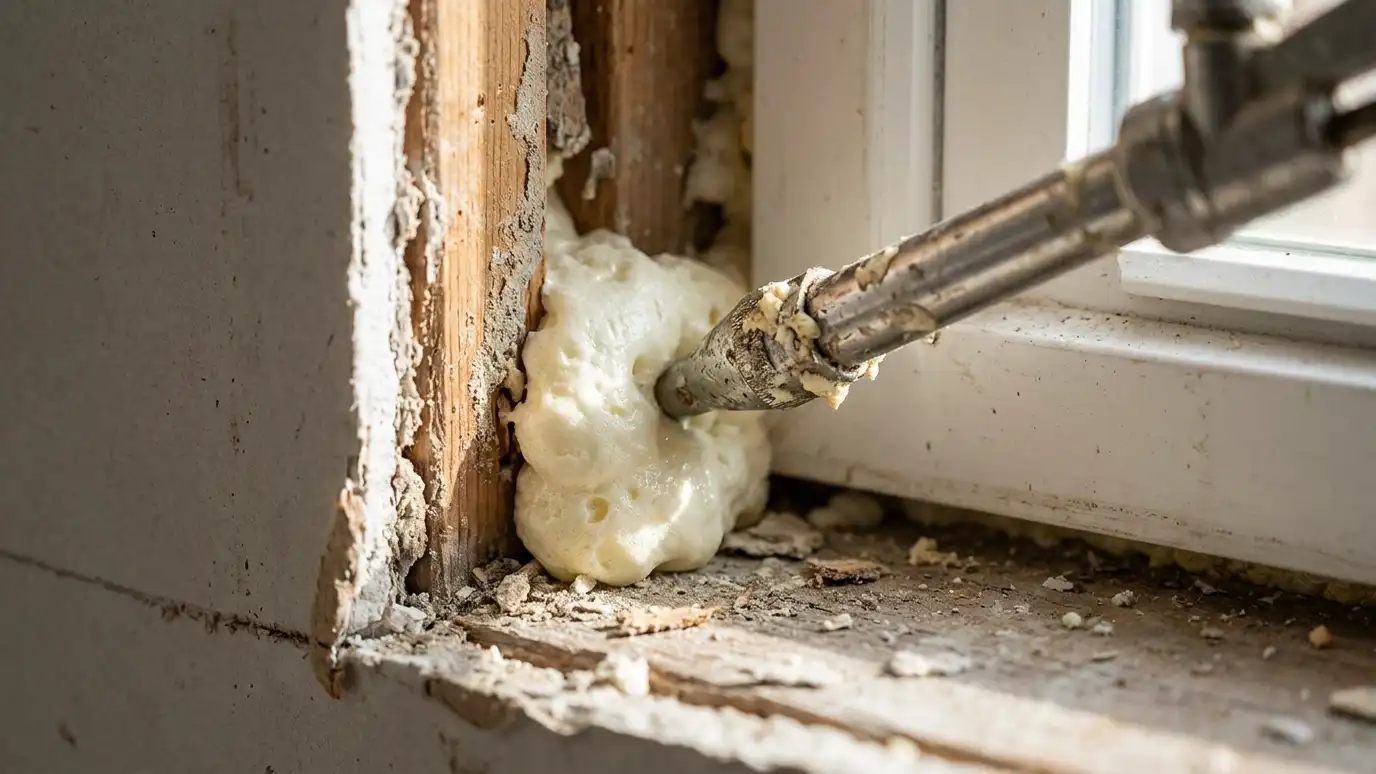
Air sealing around old windows is simple but needs care. Remove old trim gently, fill the gap with low-expansion foam made for windows and reinstall the trim. Many drafts disappear with this step.
Shading and film
Awnings, exterior shades, interior shades and window film can reduce heat gain on sunny glass. These options are useful for rooms with big west-facing windows.
Film is not a substitute for good windows, but it can improve a room at modest scale.
We can apply film, and we explain what to expect.
Interior and exterior shading complement good windows. Light-colored blinds, cellular shades and exterior awnings all reduce heat gain. Plan them together with the glass choice.
Realistic expectations
New windows can improve comfort, reduce drafts and help control energy use, but the amount of saving depends on your home, your old windows and your habits. Be wary of claims of specific savings.
The most reliable benefits are comfort, quiet and fewer drafts.
We explain what we can and cannot promise before you decide.
If someone promises a specific percent saving, ask how they calculated it. Honest estimates depend on many factors and come with ranges. We prefer to explain what to expect in comfort and to avoid exact promises.
Choose glass by exposure, compare labels, seal air leaks and expect better comfort more than any exact saving.