What is in a glass unit
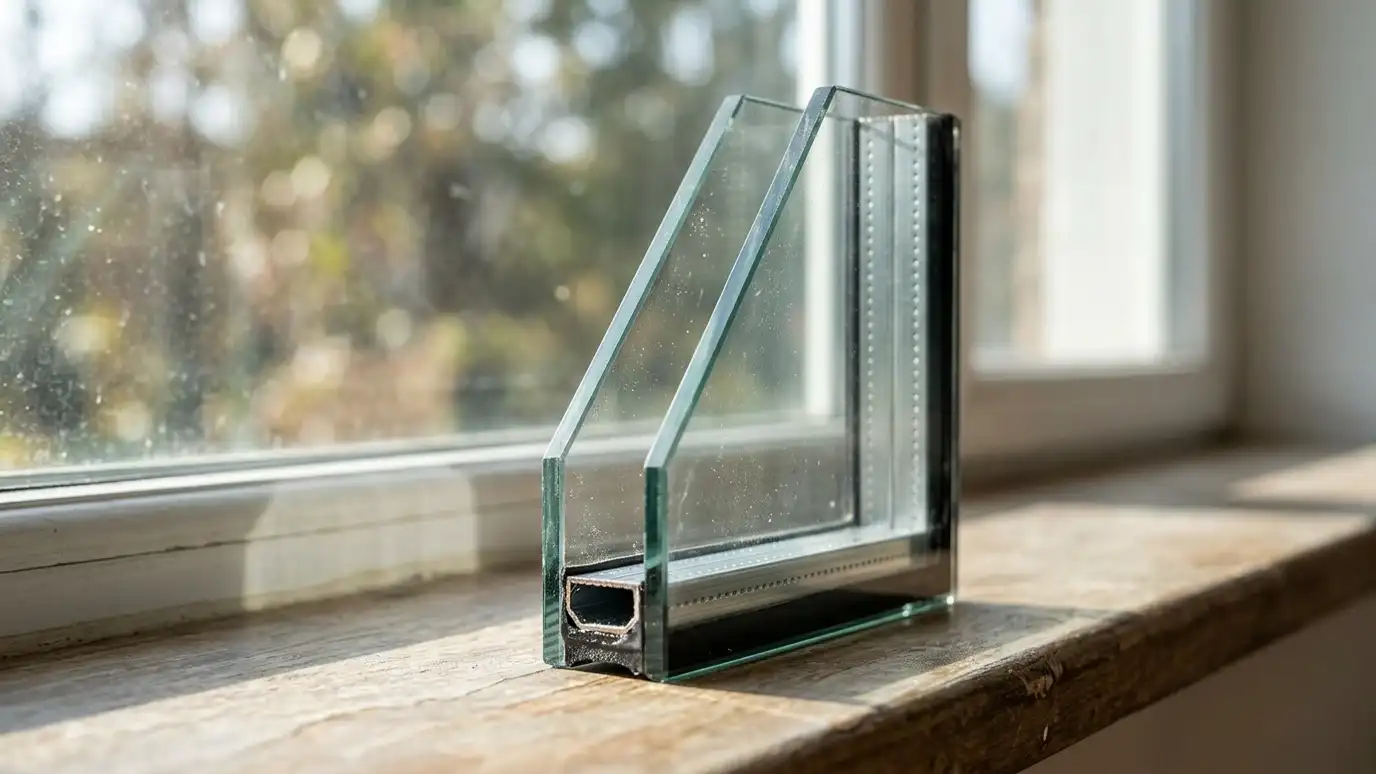
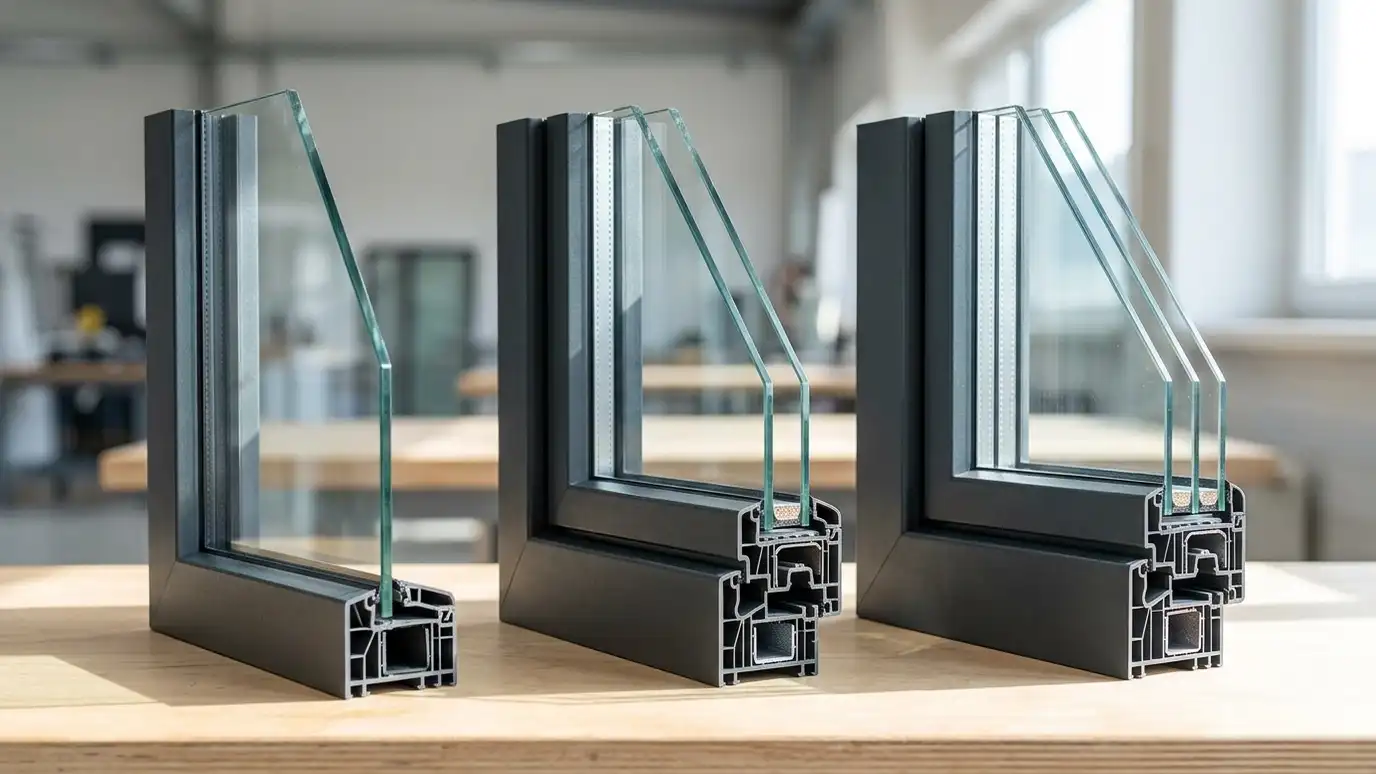
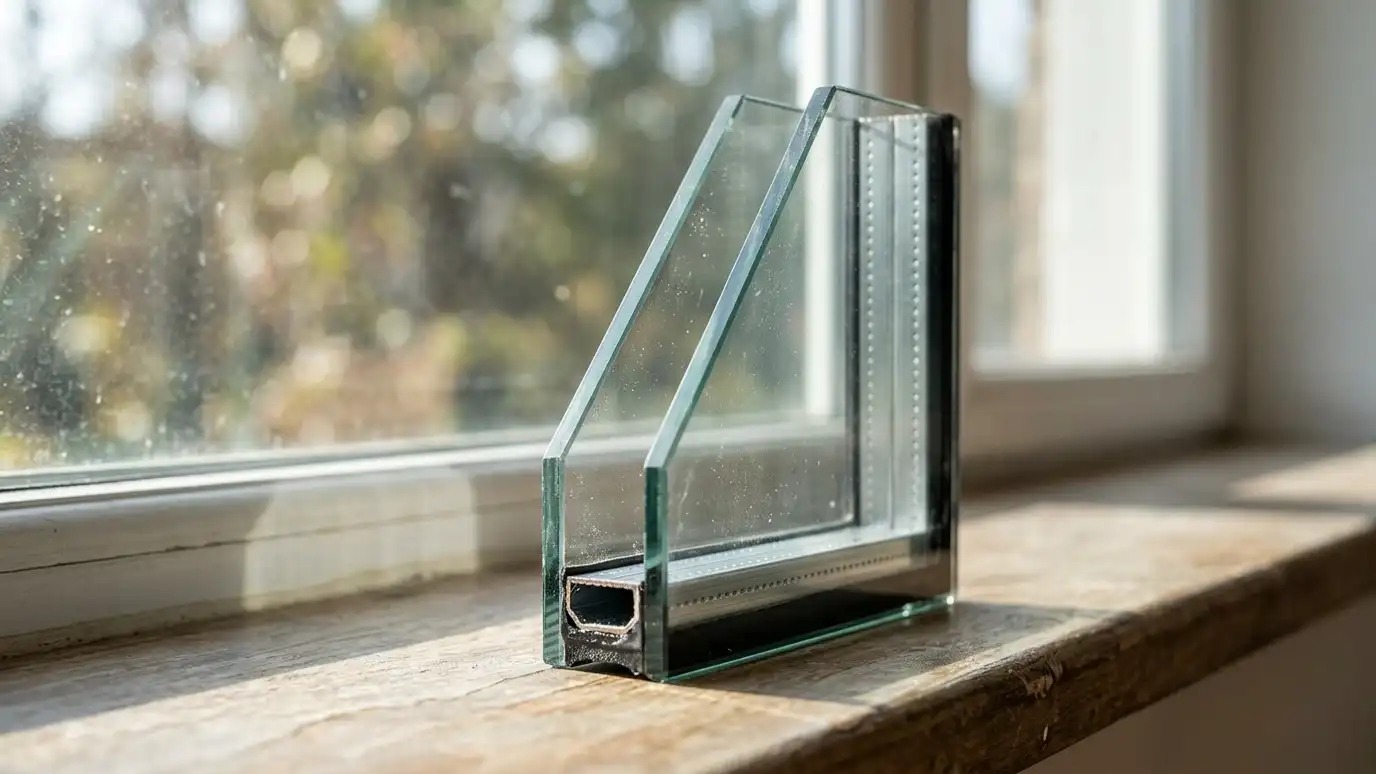
An insulated glass unit has two or three panes separated by a spacer and sealed at the edges. The space between the panes holds air or a gas such as argon. The unit is built into the sash.
The seal is the important part. When it fails, moisture gets between the panes and the window looks foggy.
A good unit can last for many years, which is why seal quality matters.
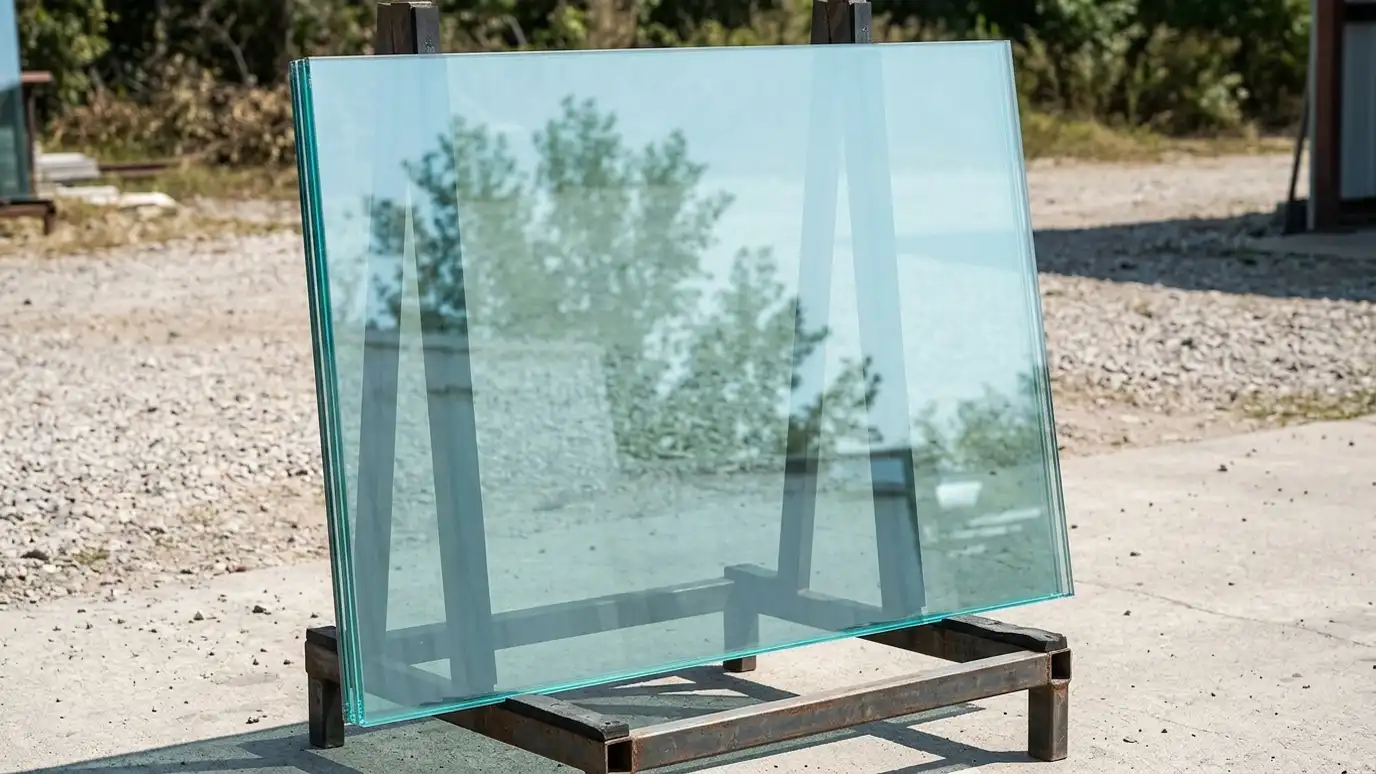
A good way to understand glass is to hold samples. Hold two panes, one clear and one low-E, in sunlight and look at reflections. The differences are subtle, which is why labels and written specs matter.
Low-E coatings
Low-E stands for low emissivity. A thin, nearly invisible metal coating is applied to one or more glass surfaces. It reflects heat while letting visible light through.
Different coatings suit different goals: some favor keeping heat in, and others favor keeping the sun out. In our area, many owners choose a balanced coating or a solar-control version for west and south walls.
Ask which coating is on each window.
Coatings sit on different surfaces of the glass for different goals, and the order of panes matters. Ask which surface carries the coating on each window, and make sure the windows facing the sun have the version designed for it.
Gas fills and spacers
Argon is a common fill. It is denser than air and slows heat flow between the panes. Spacers at the edge of the unit can be metal or insulating materials, and better spacers reduce cold edges and condensation.
These details are small, but they add up in comfort.
Ask for the glass package in writing.
Argon is a safe, inert gas, and its effect is small but steady. The unit must stay sealed for it to matter, which is another reason to look at seal construction and not only the gas.
Double or triple
Triple-pane units add a third layer and usually help comfort and noise. They are also heavier and cost more, and the extra weight can affect hardware and frame choices.
Many homes do well with a good double-pane package. Triple pane makes the most sense for rooms facing noise or harsh exposure.
We explain the tradeoffs room by room.
If you are weighing triple pane, ask about weight, hardware and frame depth. Heavier glass needs stronger hardware, and not every frame can carry it. A good company will tell you honestly if the extra layer is worthwhile.
Laminated, tinted and privacy glass
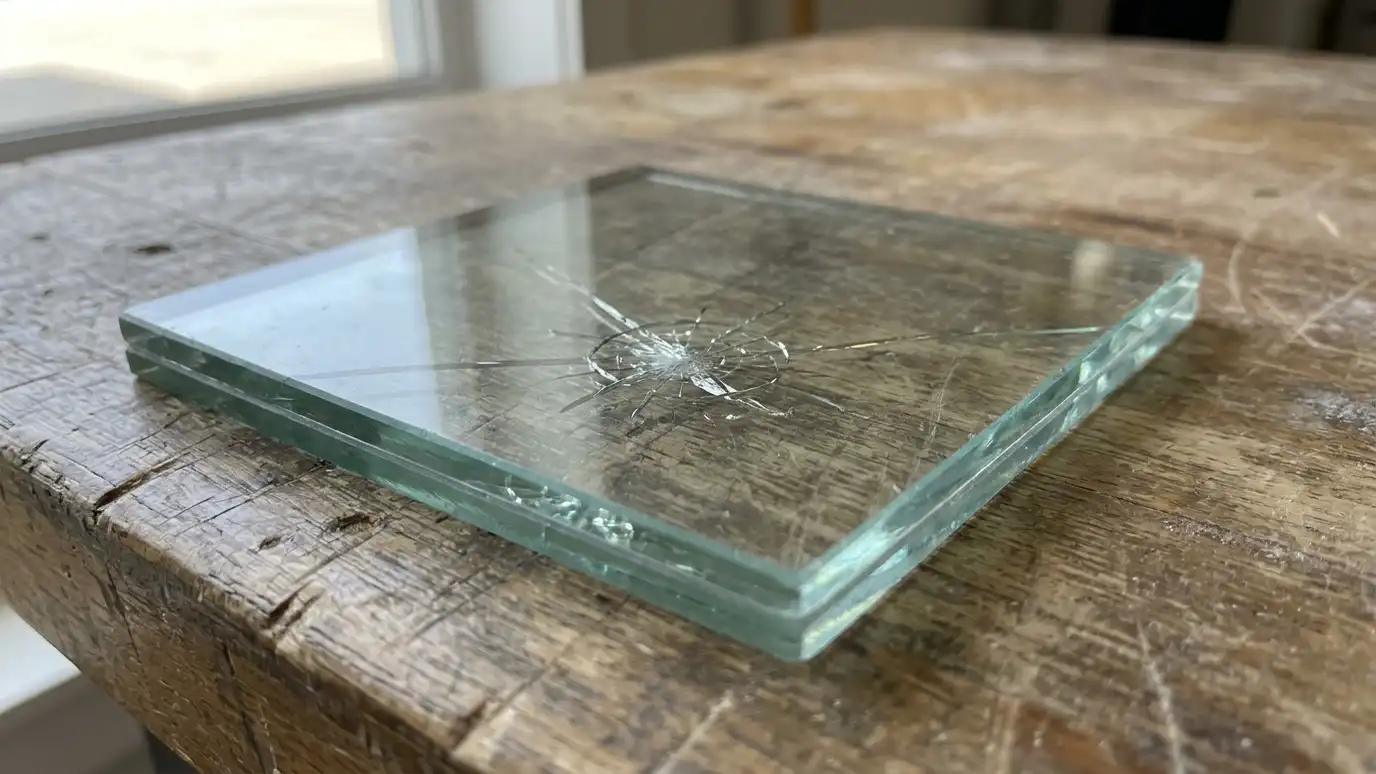
Laminated glass has a clear layer between panes that adds sound reduction and safety. Tints reduce glare and heat and change the look. Frosted and patterned glass add privacy while letting light in.
Each option affects how the window looks from the street, so check samples.
These choices are best made room by room.
Remember that tints and coatings change the color of the glass slightly. Look at samples from outside and from inside, and check them next to the siding and roof.
Reading the numbers
The window label shows U-factor, solar heat gain, visible transmittance and air leakage. Lower U-factor means less heat flow. A lower solar heat gain means less sun heat comes through. Higher visible transmittance means more daylight.
Use the numbers to compare similar windows, and remember that installation affects results.
We help you read the labels for your own home.
Keep the glass specification with your paperwork. If a unit fails, the details let us order an exact match, which avoids color and reflectivity differences between windows.
Match the glass package to each room, ask for it in writing and use the label numbers to compare similar windows.